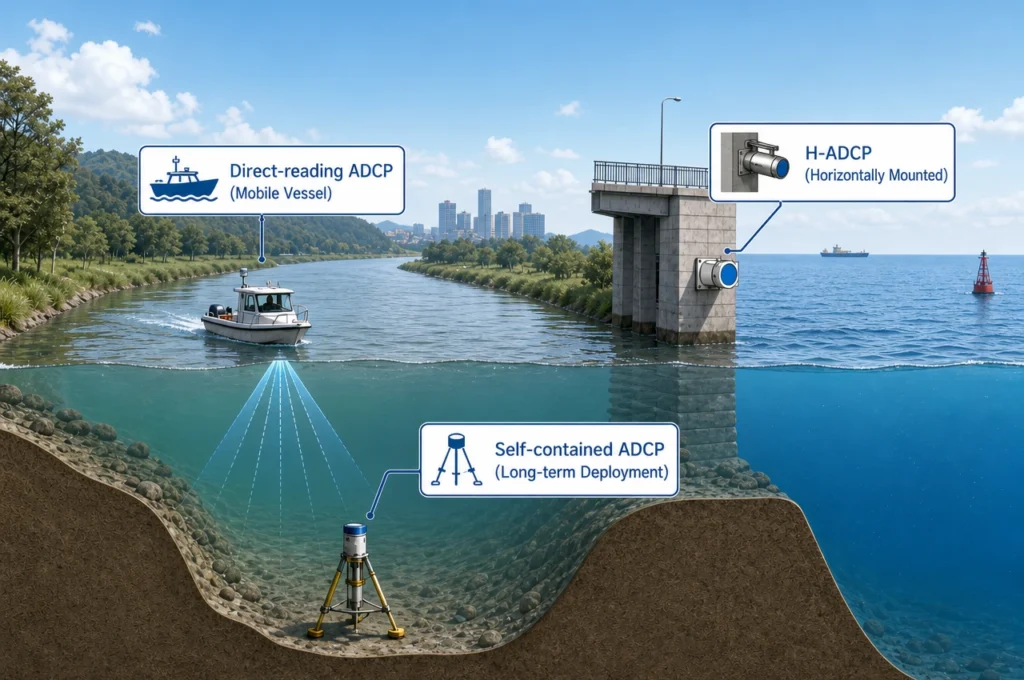
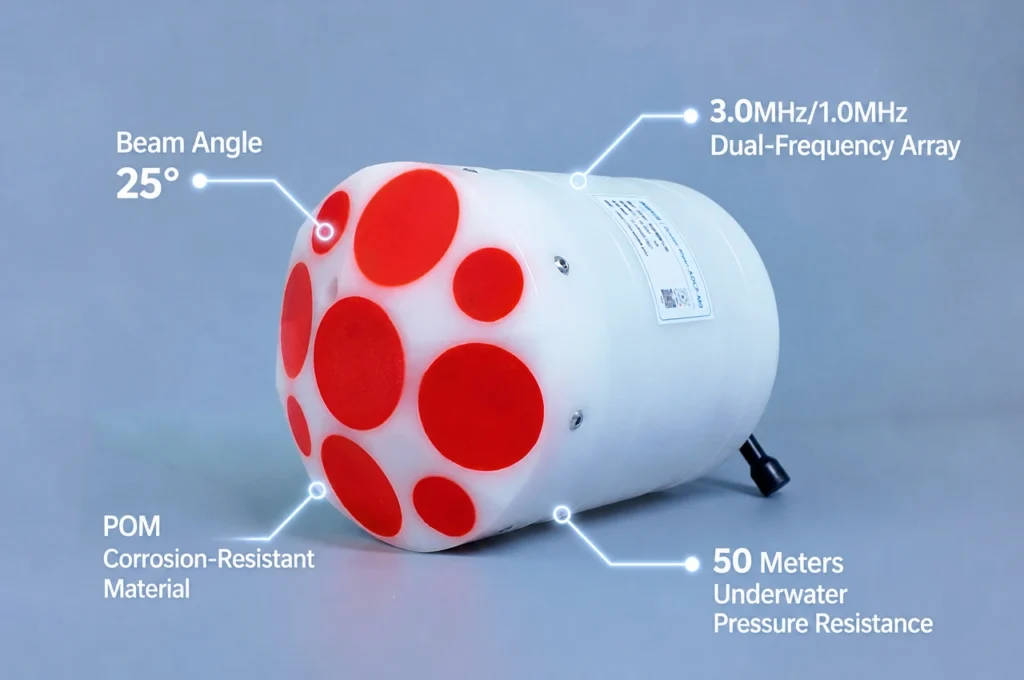
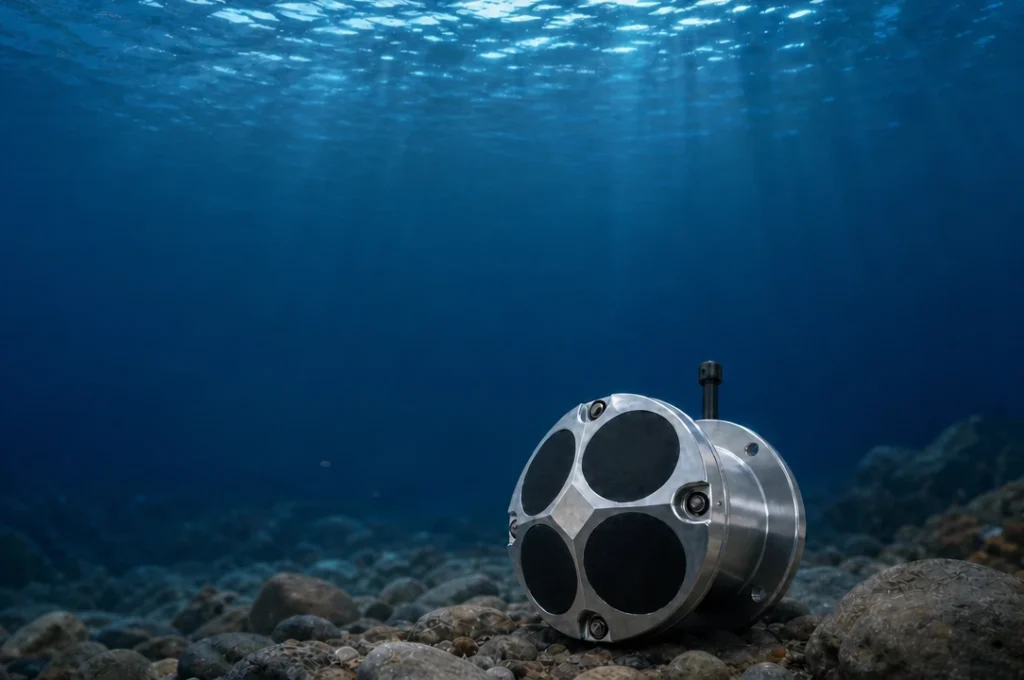
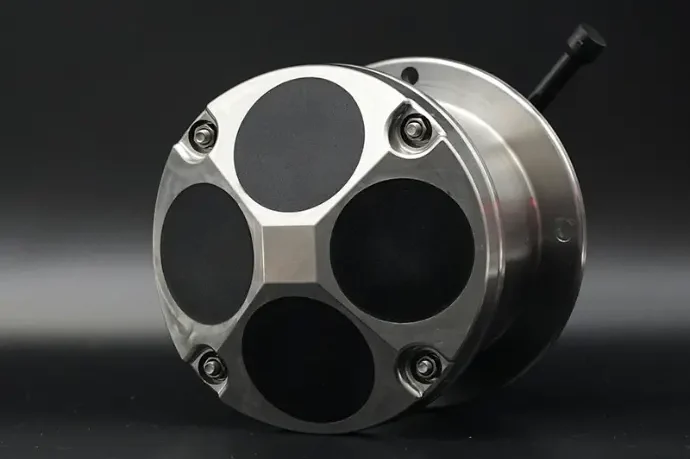
The phrase “best ADCP” gets thrown around a lot in tender documents and forum threads — but the honest answer is that there is no single best acoustic Doppler current profiler. The instrument that wins a monsoon-season river gauging station loses badly on a 4,000 m research mooring, and the unit that dominates coastal wave studies is overkill for a 2 m irrigation canal.
That is exactly how we built this ranking. Instead of one meaningless podium, we evaluated 10 ADCP models from 2025–2026 production lines against six scoring criteria and ranked them by what they actually do best — then mapped each one to the application where it earns its keep. If you came here with a specific job in mind, jump straight to the application routing table.
Executive Summary
Best overall (deep-water & offshore research): Teledyne RDI Workhorse Proteus — five-beam ADSP platform, the benchmark for academic and defense-grade profiling.
Best for coastal & polar research: Nortek Signature series — currents, waves, turbulence and ice in one instrument.
Best for river discharge (ease of use): SonTek RiverSurveyor M9 — nine beams, built-in GNSS, near-automatic operation.
Best for high-sediment rivers: Oceantek River-ADCP-600-FA5 — bottom tracking that holds through turbid flood conditions, at ≤5 W.
Best value fixed station: Oceantek HADCP-600 — continuous real-time discharge at a fraction of premium H-ADCP budgets.
Best budget ocean profiler: LinkQuest FlowQuest series — the entry point for university and NGO programs.
Table of Contents
- How We Ranked the Top 10 ADCP Models of 2026
- The Top 10 ADCP Models at a Glance
- The 10 Best ADCP Models of 2026, In Detail
- Best ADCP by Application: A Quick Routing Guide
- Deep-Water Surveys: The Best ADCP and DVL Solutions Beyond 300 m
- Budget: What You Get at Each Price Tier in 2026
- Frequently Asked Questions
How We Ranked the Top 10 ADCP Models of 2026
Every model in this list was scored against the same six criteria, using publicly available datasheets, manufacturer specification documents and the field reports of hydrological agencies and survey contractors. We did not rank anything we could not verify.
- Profiling range & depth rating — how far and how deep the instrument profiles in real conditions, and its pressure-housing limit.
- Accuracy class — typical velocity accuracy (±% ±mm/s) and how the beam geometry (4-beam vs 5-beam vs 9-beam) affects error velocity and vertical velocity resolution.
- Power & endurance — average draw, because solar-only river stations and 12-month moorings live and die on this number.
- Software & ecosystem — discharge software quality, PD0/ASCII export compatibility, third-party integration and training burden.
- Price band & total cost — purchase price range plus what agencies typically pay for support, spares and training in each region.
- Service & support network — manufacturer response, regional service reach and spare-part lead times, which decide downtime in the field.
If you want the brand-level picture instead of model-level (company history, global share, service footprint), our ADCP brand comparison 2026 covers Nortek, SonTek, TRDI and Oceantek side by side.
The Top 10 ADCP Models at a Glance
| Rank | Model | Type | Frequency | Max Range | Best For | Score |
|---|---|---|---|---|---|---|
| 1 | Teledyne RDI Workhorse Proteus | Self-contained / vessel | 38–600 kHz class | Deep ocean | Deep-water & offshore research | 9.7 |
| 2 | Nortek Signature series | Self-contained / USV | 55–1000 kHz | 30 m – >1000 m | Coastal & polar research | 9.6 |
| 3 | SonTek RiverSurveyor M9 | Direct-reading / USV | Multi-freq (SmartPulseHD) | ~40 m | River discharge, ease of use | 9.5 |
| 4 | Teledyne RDI Rio Grande | Direct-reading | 600 / 1200 kHz | ~45 m (600 kHz) | Classic river workhorse | 9.3 |
| 5 | Oceantek River-ADCP-600-FA5 | Direct-reading / buoy | 600 kHz | 65 m long-range | High-sediment & monsoon rivers | 9.1 |
| 6 | Teledyne RDI ChannelMaster | Horizontal fixed | 300–1200 kHz | 1–300 m horizontal | Canal gates, irrigation & level+velocity | 8.9 |
| 7 | Oceantek HADCP-600 | Horizontal fixed | 600 kHz | Index-velocity station | Fixed flood & discharge stations (value) | 8.7 |
| 8 | CHCNAV RiverStar RS3600D | Direct-reading / USV | 3600 + 1200 kHz | 100 m depth | Compact hydro surveying (2026 debut) | 8.6 |
| 9 | Oceantek Ocean-ADCP-600-PA5 | Phased-array | 600 kHz | Nearshore profile | Ports, harbors & nearshore surveys (value) | 8.5 |
| 10 | LinkQuest FlowQuest series | Self-contained | 300–1000 kHz | Mid-depth | Budget ocean & research programs | 8.3 |
Specifications vary by firmware mode and configuration; verify current datasheets before purchase. Scores reflect editorial judgment based on public specifications and field usage, not paid placement.
The 10 Best ADCP Models of 2026, In Detail
#1 Teledyne RDI Workhorse Proteus — Best Overall, Deep-Water & Offshore Research
The Workhorse line has been the industry benchmark since Teledyne RDI shipped the first commercial ADCP in 1982, and the Proteus (launched September 2024) is its most advanced generation. Built on the Proteus Advanced Doppler Sonar Platform (ADSP) with a Catalyst processor, it adds a fifth beam that measures vertical velocity directly — no geometric reconstruction — plus a new attitude and heading reference system and dynamic bin mapping. It samples simultaneously at multiple spatial and temporal scales, so one deployment delivers currents, waves and turbulence where older systems needed two or three instruments.
Watch-outs: premium pricing and regional lead-time variance. Buyers weighing the decision should also read our practical TRDI alternatives analysis.
#2 Nortek Signature Series — Best for Coastal & Polar Research
The Signature family spans Signature1000 (high-frequency shallow work, sampling up to 8 Hz), Signature500 (≈70 m class) and Signature55 (55 kHz, beyond 1,000 m). Its defining advantage is multi-parameter output: currents, directional waves, turbulence and ice data from one instrument, in one deployment. The concave transducer geometry allows flush mounting on USVs and gliders — a real differentiator for autonomous platforms.
Watch-outs: premium price; for shallow river discharge specifically, a dedicated river instrument is usually the better tool.
#3 SonTek RiverSurveyor M9 — Best for River Discharge, Ease of Use
The M9 is the de facto standard for small-to-medium river discharge surveys. Its nine beams (including dual vertical beams) and multi-frequency SmartPulseHD® engine balance shallow-water resolution against range automatically, built-in GNSS removes external GPS wiring, and its automated mode cuts training time from weeks to days. Hydrological agencies worldwide run it for routine gauging.
Watch-outs: limited deep-marine application; software licensing adds to total cost. For same-performance alternatives, see our RiverSurveyor M9 alternatives comparison.
#4 Teledyne RDI Rio Grande — The Classic River Workhorse
The Rio Grande (600 kHz standard, 1,200 kHz shallow variant) remains one of the most widely deployed river discharge instruments ever built — four beams at 20° convex geometry, bottom tracking with tilt correction, and the WinRiver II / PD0 workflow that national hydrological services standardized on decades ago. If your agency’s procedures and training are built around WinRiver, this is the low-risk choice.
Watch-outs: the platform predates the 2025–2026 generation of launches; premium price for the specification class.
#5 Oceantek River-ADCP-600-FA5 — Best for High-Sediment & Monsoon Rivers
Launched August 2026 and engineered specifically for high-sediment inland waterways, the River-ADCP-600-FA5 wins this slot on three numbers that matter in flood season: ±0.25% ±2 mm/s typical velocity accuracy, ≤5 W average power draw (solar-only off-grid stations are viable), and bottom tracking that holds through turbid flood conditions across 0.5–110 m depths. It profiles to 65 m in long-range mode, carries 64 GB onboard storage and an integrated attitude/compass suite.
In monsoon-season rivers — the Brahmaputra, Mekong, Ganges conditions where sediment loads break bottom lock on older units — this is the profile where a purpose-built instrument beats a generalist. Watch-outs: younger vendor compared with TRDI/Nortek for deep-ocean work; the deep-water tier of this list is not where it competes.
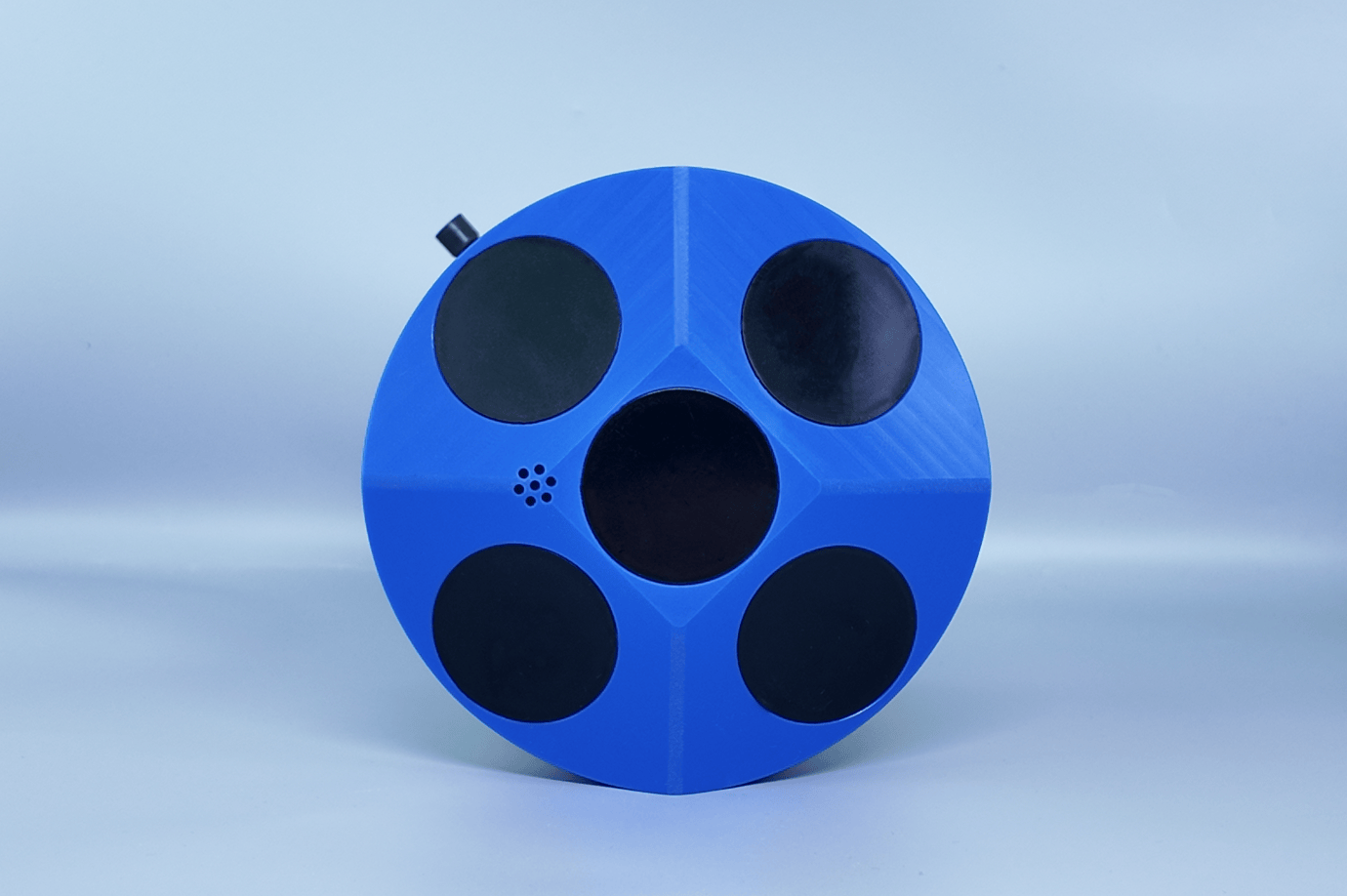
#6 Teledyne RDI ChannelMaster — Best Horizontal Level+Velocity Station
The ChannelMaster is the long-standing reference for horizontal measurement: it looks across the channel rather than down, measuring level and velocity simultaneously across 1–300 m in up to 128 cells. It is purpose-built for canal gates, irrigation turnouts, water-treatment flows and tide gates — applications where a downward-looking profiler physically cannot see the flow it needs to measure.
Watch-outs: no true bottom tracking by design; not a substitute for a vertical profiler in rivers or open water. For deployment methodology, see our H-ADCP deployment best practices.
#7 Oceantek HADCP-600 — Best Value Fixed Discharge Station
Where the ChannelMaster dominates budgets, the HADCP-600 delivers the same continuous 7×24 index-velocity discharge concept — mounted on bridge piers, dam walls or channel banks — at a fraction of premium H-ADCP cost. Low power draw suits solar stations, and it is built for the flood early-warning and water-dispatch workflows covered in our flood early-warning system guide.
Watch-outs: 600 kHz horizontal profiling is the river/station use case — not an ocean instrument.
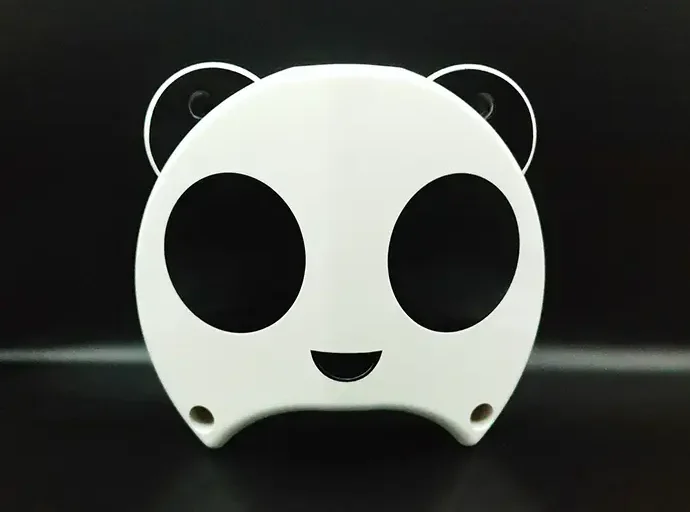
#8 CHCNAV RiverStar RS3600D — Best 2026 Tech Debut, Compact Hydro Survey
Launched January 2026, the RS3600D is the most interesting new hardware of the year: dual-frequency 3,600 + 1,200 kHz operation, a nine-beam layout with a dedicated 600 kHz vertical beam for depth, flow measurement down to 1 cm/s, a 5 cm near-surface blind zone, up to 100 m depth range — all in a 2 kg / 12 cm package that rides USVs, buoys and cableway systems. It is a genuine benchmark for compact hydro surveying at aggressive pricing.
Watch-outs: CHCNAV’s ocean pedigree is younger than the top three brands; long-term service-network depth varies by region.
#9 Oceantek Ocean-ADCP-600-PA5 — Best Value for Ports & Nearshore Surveys
The Ocean-ADCP-600-PA5 is a 600 kHz phased-array profiler with ±0.3% precision and a flat array face — no protruding transducer arm to snag on vessel hulls or harbor infrastructure. That form factor plus price makes it a strong choice for port current mapping, dredging support and estuary surveys where survey contractors are standardizing fleets across multiple boats.
Watch-outs: 600 kHz physics limit it to the near-to-mid-depth band; deep-water programs should look at the 75 kHz tier below. For port-specific selection logic, see our port & harbor monitoring guide.
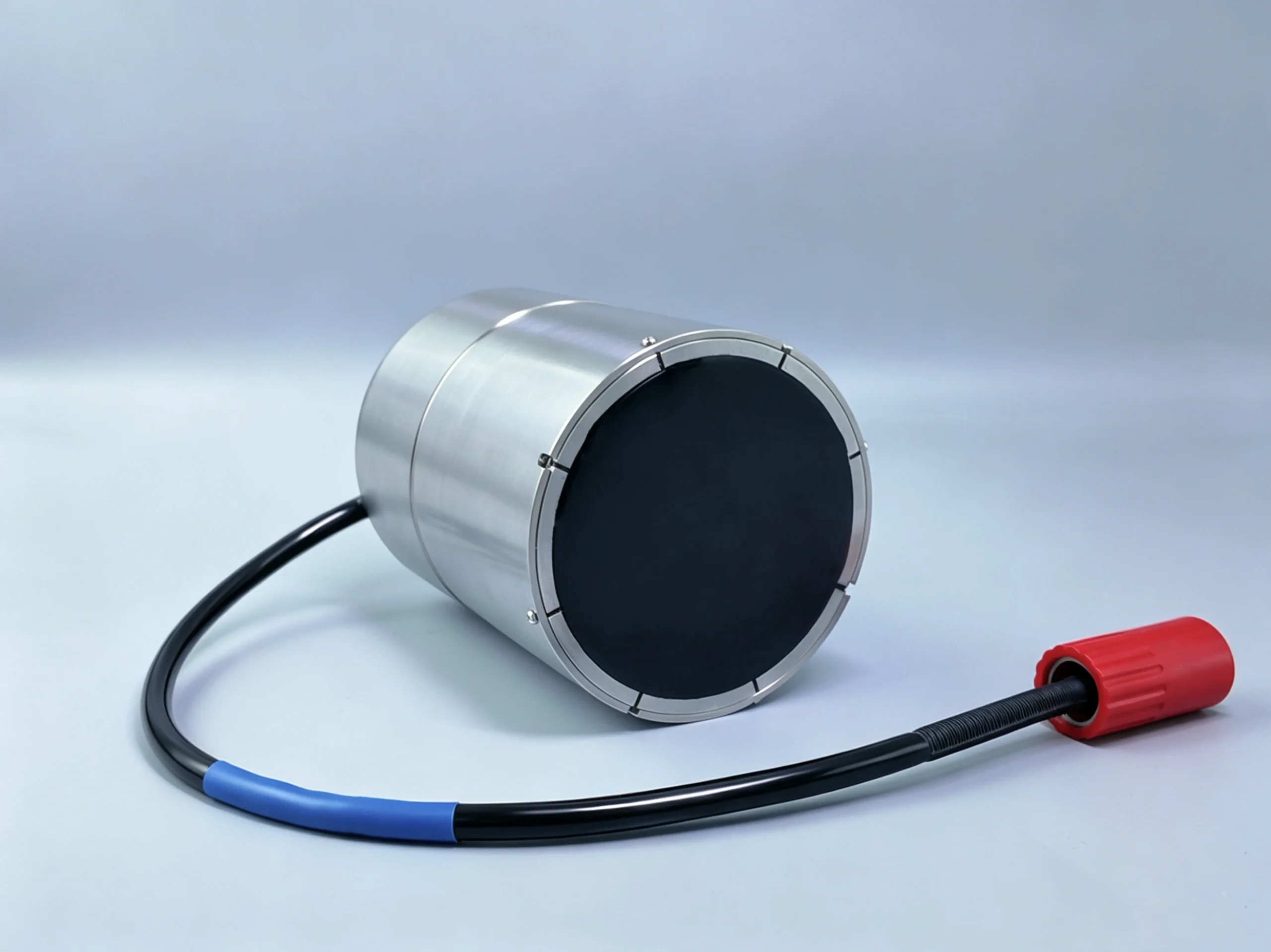
#10 LinkQuest FlowQuest Series — Best Budget Self-Contained Ocean Profiler
The FlowQuest series (300/600/1,000 kHz self-contained) has long been the pragmatic choice for university programs, NGOs and coastal observatories on tight budgets: compact, low-drag housings, long autonomous deployments, and mid-depth profiling at entry-level pricing. It will not win a specs war against Proteus or Signature — and does not try to.
Watch-outs: narrower software ecosystem and third-party integration compared with the majors.
Best ADCP by Application: A Quick Routing Guide
| If you need to… | Top pick(s) in 2026 | Read more |
|---|---|---|
| Gauge river discharge (clean to moderate sediment) | SonTek M9 · RDI Rio Grande | Best river ADCP models guide |
| Gauge high-sediment / monsoon rivers | Oceantek River-ADCP-600-FA5 | River-ADCP-600-FA5 product page |
| Run a real-time flood or fixed discharge station | Oceantek HADCP-600 · RDI ChannelMaster | Flood early-warning guide |
| Monitor dams, reservoirs & sedimentation | HADCP-600 + River-ADCP-600-FA5 combo | Dam & reservoir monitoring guide |
| Manage port, harbor & dredging operations | Ocean-ADCP-600-PA5 · Nortek Signature500 | Port & harbor guide |
| Monitor aquaculture & fish-farm currents | Oceantek direct-reading 600 kHz · single-point meters | Aquaculture current monitoring guide |
| Plan an offshore wind metocean campaign | RDI Sentinel V · Nortek Signature500 | Offshore wind metocean guide |
| Audit irrigation canals & water flows | RDI ChannelMaster · River-ADCP-M9 | Water flow measurement guide |
| Deploy under ice / polar moorings | Nortek Signature500/55 · self-contained 600 kHz | Under-ice deployment guide |
Deep-Water Surveys: The Best ADCP and DVL Solutions Beyond 300 m
Beyond 300 m, frequency selection flips the ranking logic on its head: what wins is low frequency and power endurance, not beam count. For deep-water surveys the field narrows to three profiling references and one navigation complement:
- Teledyne RDI Workhorse Long Ranger (75 kHz) — the classic deep profiling workhorse for survey vessels and long moorings.
- Nortek Signature55 (55 kHz) — profiles beyond 1,000 m with the Signature platform’s multi-parameter capability.
- Oceantek Ocean-ADCP-75-PA4 (75 kHz, phased array) — deep-water profiling with a flat array face for hull and frame mounting; see the Ocean-ADCP-75-PA4 product page.
- Doppler Velocity Logs (DVLs) — for the positioning side of deep-water surveys, a DVL is the instrument ADCPs are often confused with but complement rather than replace; see the DVL product category and our DVL vs ADCP explainer.
We also maintain a dedicated analysis of deep-sea large-scale precision current measurement for programs that need the full engineering picture.
Budget: What You Get at Each Price Tier in 2026
| Tier | Typical band | What you can get | Models from this list |
|---|---|---|---|
| Entry | Under US$15,000 | Direct-reading 600 kHz river units, single-point current meters, budget H-ADCP fixed stations, entry self-contained profilers | HADCP-600 · FlowQuest (entry models) |
| Mid | US$15,000–40,000 | The workhorse band: multi-beam river systems, 600 kHz survey profilers, compact dual-frequency units, port-grade instruments | RiverSurveyor M9 · Rio Grande · River-ADCP-600-FA5 · RS3600D · Ocean-ADCP-600-PA5 |
| Premium | US$40,000+ | Deep-water five-beam platforms, multi-parameter wave+current systems, 75/55 kHz long-range instruments | Workhorse Proteus · Signature500/55 · Long Ranger |
Frequently Asked Questions
What is the top-rated ADCP for research?
For deep-water and offshore research, the Teledyne RDI Workhorse Proteus is the 2026 benchmark — five beams, ADSP platform, multi-scale sampling. For coastal and polar programs that need currents, waves, turbulence and ice from one deployment, the Nortek Signature series is the top-rated choice.
What is the best ADCP for long-term ocean current monitoring?
Long-term monitoring means self-contained instruments on moorings, and the field leaders are the Teledyne RDI Sentinel V / Workhorse Long Ranger, the Nortek Signature55, and the Oceantek ADCP-75-SC-PA4 — all engineered for multi-month autonomous deployments with low power draw and deep pressure ratings.
What are the best ADCP and DVL solutions for deep-water surveys?
Profiling: RDI Long Ranger (75 kHz), Nortek Signature55 (55 kHz), Oceantek Ocean-ADCP-75-PA4. Positioning/navigation: a phased-array DVL — see our DVL category for 300–600 kHz models. The full engineering analysis is in our deep-sea current measurement guide.
What is the best ADCP for river flow measurement?
For clean-to-moderate rivers: SonTek RiverSurveyor M9 (ease of use) or Teledyne RDI Rio Grande (classic standard). For high-sediment, monsoon-season rivers: Oceantek River-ADCP-600-FA5. We break down all seven leading river models — including specs, price tiers and a decision tree — in our dedicated best river ADCP models guide.
How much does a good ADCP cost in 2026?
Entry systems start under US$15,000; the workhorse band runs US$15,000–40,000; premium deep-water platforms exceed US$40,000. Rental is often the smarter first move for short campaigns. Full breakdown: ADCP price guide.
Research Methodology: This ranking was compiled in September 2026 from publicly available manufacturer datasheets and specification documents, hydrological agency procurement records, and documented field deployments. Scores reflect editorial judgment across six criteria: profiling range and depth rating, accuracy class, power and endurance, software ecosystem, price band, and service network. No manufacturer paid for inclusion or placement. Specifications vary by firmware mode and configuration — verify current datasheets with the manufacturer before purchase.
© 2026 Ocean (Hangzhou) Technology Co., Ltd. All rights reserved. Last updated: September 4, 2026.