
150K ADCP Current Profiler
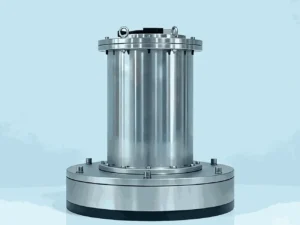
Ocean-ADCP-150-PA4
The Ocean-ADCP-150-PA4 is a 150kHz 4-beam phased-array ADCP. With a 400m profiling range and 540m bottom-tracking, it covers the mid-deep water column — the depth band where shelf-edge studies, deep-water hydrodynamic monitoring, and ocean circulation research operate.
Overview
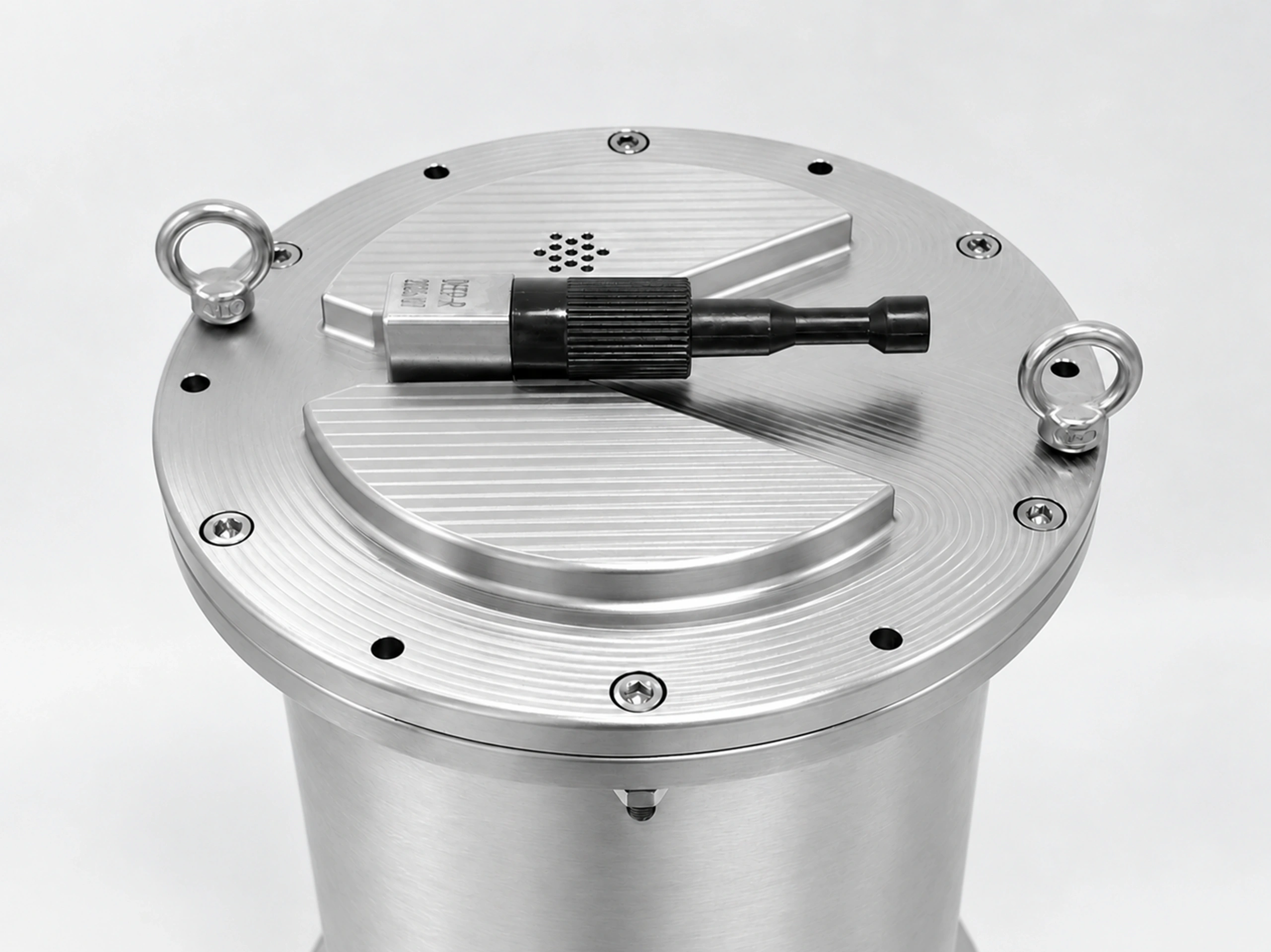
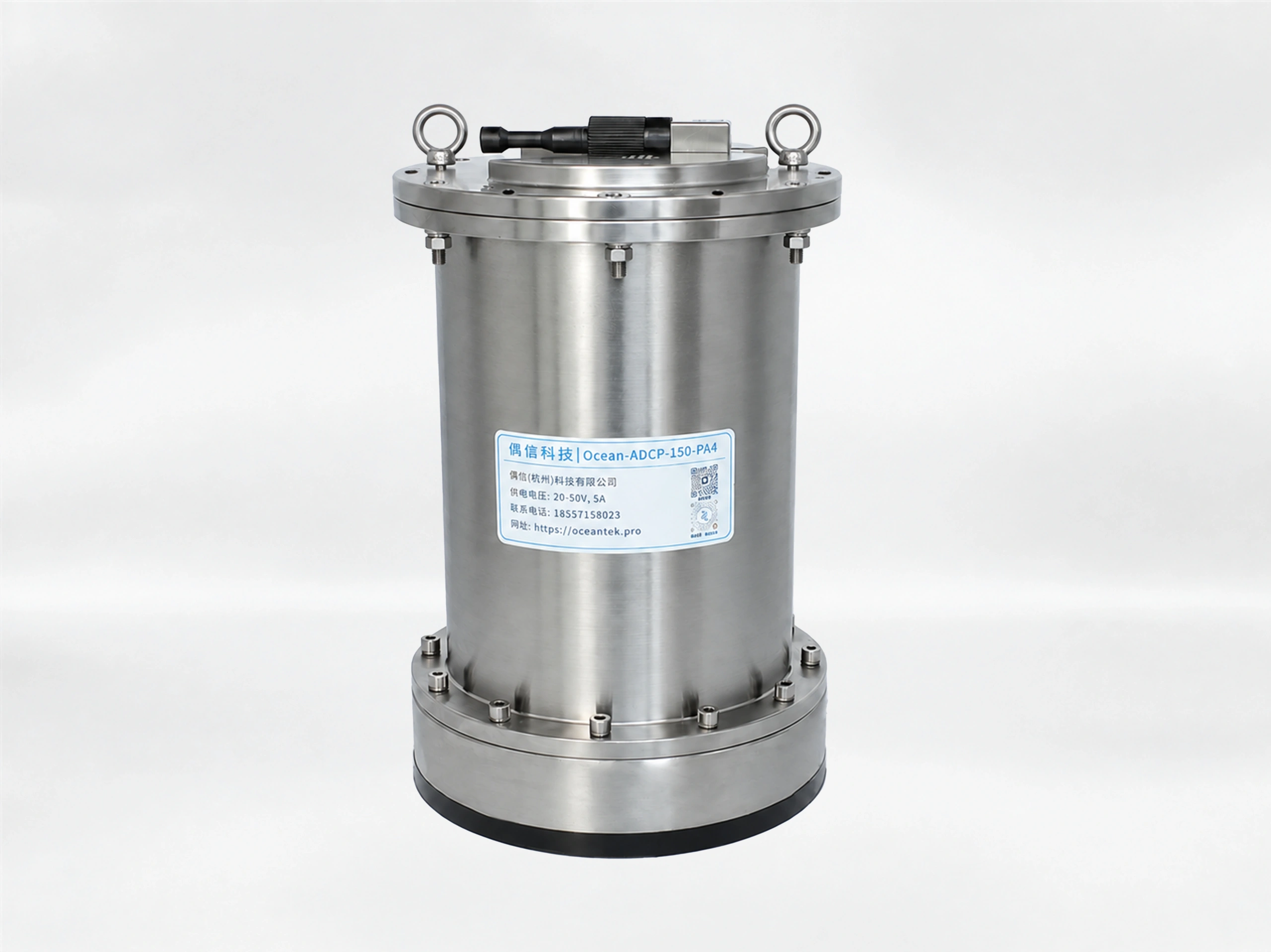
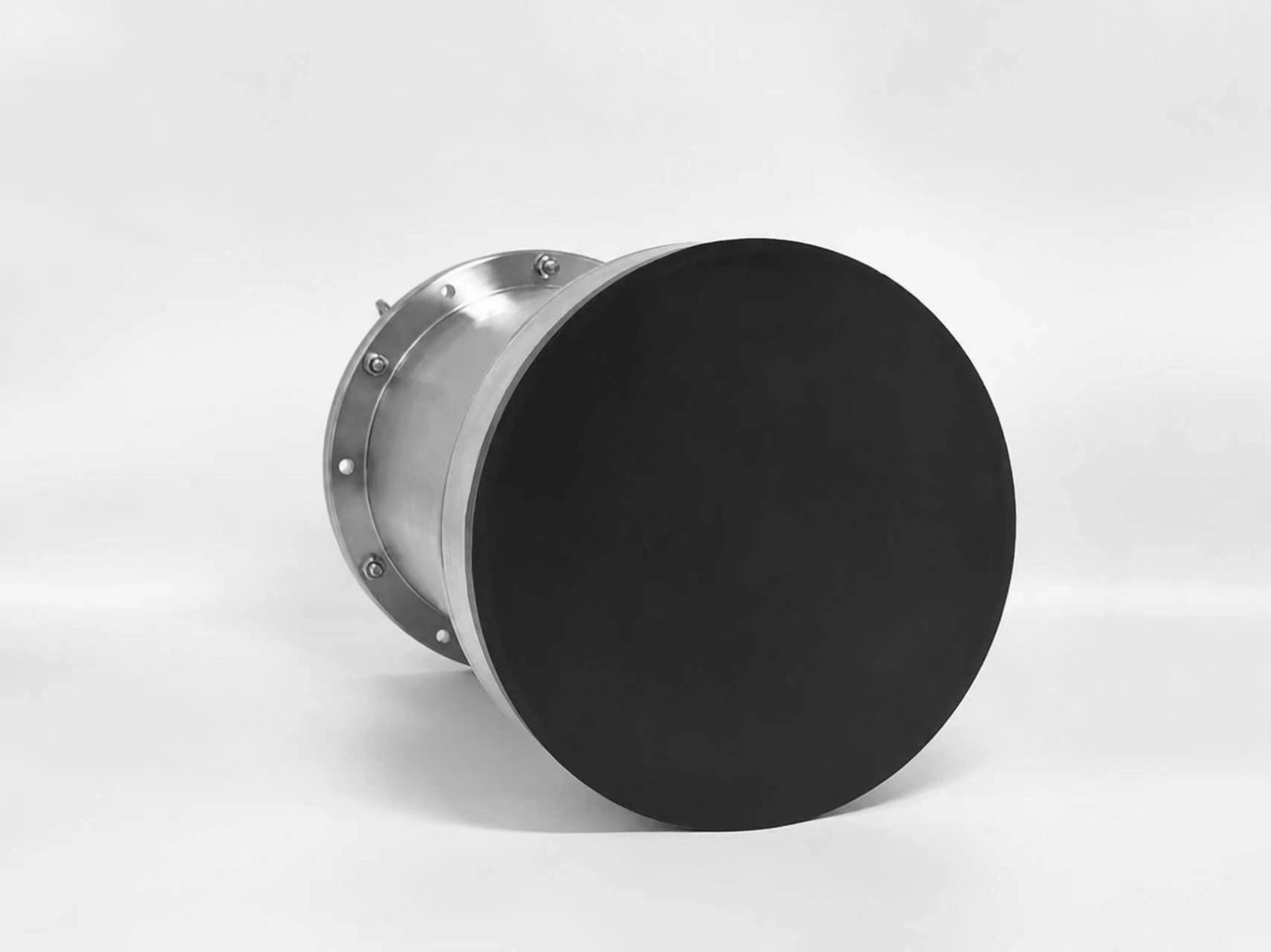
Broadband and pulse-coherent dual modes. A dedicated echo-intensity channel with 80dB dynamic range captures backscatter profiles for biological and sediment studies — a capability typically reserved for research-grade instruments. Titanium alloy housing, selectable 1,500m / 3,000m / 6,000m depth ratings, Φ215mm × 318.9mm, 15.3 kg. ±1.0% ± 5mm/s velocity accuracy. 64GB onboard storage, RS-232/422 output at 1Hz.
Key Features
400m Profiling Range
Extended reach between 300kHz and 75kHz coverage. Profiles the full water column on shelf-edge and upper-slope deployments where 300kHz falls short and 75kHz is overkill.
540m Bottom-Track
Bottom-tracking to 540m with range accuracy ≤2% of actual range. Deep-water bottom reference for moving-platform surveys and mooring position verification.
Echo Intensity · 80dB Dynamic Range
Backscatter profile with ±1.5dB accuracy and user-configurable depth-cell resolution. For zooplankton migration studies, sediment plume tracking, and acoustic habitat mapping — research-grade capability built in.
Broadband + Pulse-Coherent Modes
Broadband for standard profiling across the full 340m range. Pulse-coherent for fine-resolution near-bed measurements. Select the mode per deployment objective.
Titanium · 1,500 / 3,000 / 6,000m Ratings
Corrosion-resistant titanium alloy housing with three selectable depth ratings. Φ215mm × 318.9mm, 15.3 kg — manageable for two-person deployment on research vessels and mooring operations.
Integrated Sensor Suite
Built-in temperature (±0.1°C), pressure (±0.25%), attitude (±0.25° RMS), and compass (±2° RMS). Full environmental compensation without additional instruments.
Specifications
| Category | Technical Specification | Parameter |
|---|---|---|
| Velocity Measurement | Operation Mode | Broadband / Pulse Coherent |
| Profile Range | 250/400m | |
| Typical Current Measurement Accuracy | ±1.0% ±5mm/s | |
| Velocity Range | ±5.0 m/s (Default); ±10.0 m/s (Max) | |
| Flow Direction Range | 0-360° | |
| Flow Direction Accuracy | ±2° | |
| Number of Cells | 1-255 | |
| Cell Size | High-precision range: 1–16 m; Long-range range: 4–16 m | |
| Data Output Rate | 1Hz(typical case) | |
| Bottom Tracking | Range Accuracy | ≤ 2% |
| Depth Range | 540m | |
| Echo Intensity Distribution | Dynamic Range | 80 dB |
| Measurement Accuracy | ±1.5 dB | |
| Resolution | The depth unit size can be set by the user | |
| Transducer & Hardware | Frequency | 150kHz |
| Configuration | 4-beam Phased Array | |
| Beam Angle | 30° | |
| Internal Storage | 64GB | |
| Communication | Communication Interface | RS-232 or RS-422 (Baud rate: 1200-115200) |
| Standard Sensors | Temperature Sensor | Range: -5°C to 45°C; Accuracy: ±0.1°C; Resolution: 0.03°C |
| Pressure Sensor | Range: Subject to depth rating; Accuracy: ±0.25%; Resolution: 1mm | |
| Attitude Sensor (Roll & Pitch) | Range: ±85°; RMS Accuracy: ±0.3°; Resolution: 0.06° | |
| Heading Compass Sensor | Range: 0-360°; RMS Accuracy: ±2°; Resolution: 0.1° | |
| Power Supply | Power Supply Interface | 20-50V |
| Average Power Consumption | ≤10W | |
| Structure | Housing Material | Titanium Alloy |
| Environment | Operating Temperature | -5°C - 45°C |
| Storage Temperature | -40°C - 70°C | |
| Physical Properties | Pressure Depth Rating | 1500m / 3000m / 6000m |
| Weight (in Air) | 15.3kg | |
| Dimensions (Excluding Top Connector) | Φ215 × 318.9mm | |
| Optional | Available Options | - |
Applications
Ocean Circulation Research
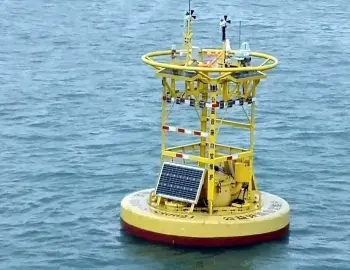
Deep-Sea Equipment Env Monitoring
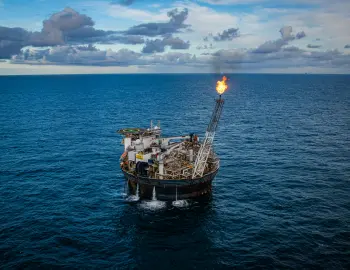
Marine Resource Development & EIA
Mid-deep Ocean Observation
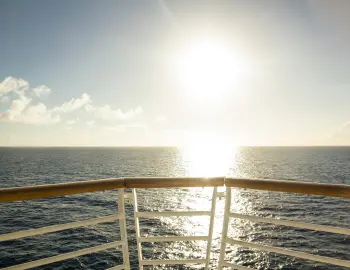
oceanographic research cruise
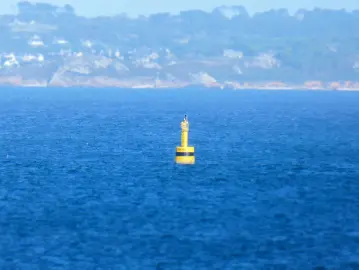
Long-term Ocean Observation
Why Choose the Ocean-ADCP-150-PA4
Right-Sized for the Mid-Water Column
300kHz tops out at 220m. 75kHz starts making sense past 400m. Between those lies the shelf-edge and upper-slope zone where most deep-water monitoring actually happens — and that’s exactly the 340m envelope the 150-PA4 covers. You’re not paying for 600m of reach you never use, and you’re not compromising on coverage at your working depths.
Echo Intensity — Research Capability as Standard
The 80dB backscatter channel with ±1.5dB accuracy turns every profile into an acoustic dataset. Zooplankton migration studies, sediment plume tracking during construction, acoustic habitat mapping — no additional instrument, no separate deployment. This capability is typically found only on research-grade systems costing far more.
540m Bottom-Track for Deep Moorings
When your SC unit sits on a 400m mooring line, how do you verify it hasn’t dragged? The 150-PA4 tracks the seabed to 540m — far beyond its 340m profiling range — giving you bottom-referenced position verification on deployments where a separate tracking instrument would be another cost, another failure point, another battery.
Frequently Asked Questions
Quick answers about the Ocean-ADCP-150-PA4
How do I choose between the 150-PA4, the 300-FA4, and the 75-PA4?
Look at your working depth. 0–220m: the 300-FA4 gives you finer cells (0.5m minimum) and better accuracy (±0.5%) in shelf waters. 220–400m: the 150-PA4 is the right fit — 340m profiling with 540m bottom-track. Beyond 400m: the 75-PA4 reaches 600m. The 150-PA4 fills the gap — deeper than 300kHz, more affordable and more compact than 75kHz systems.
What is the echo intensity channel used for?
Can the 150-PA4 integrate with my existing mooring data logger?
Get a Quick quote
Tell us about your project and we’ll provide a customized quotation within 24 hours — including recommended configuration, lead time, and shipping.
Other Ocean ADCPs
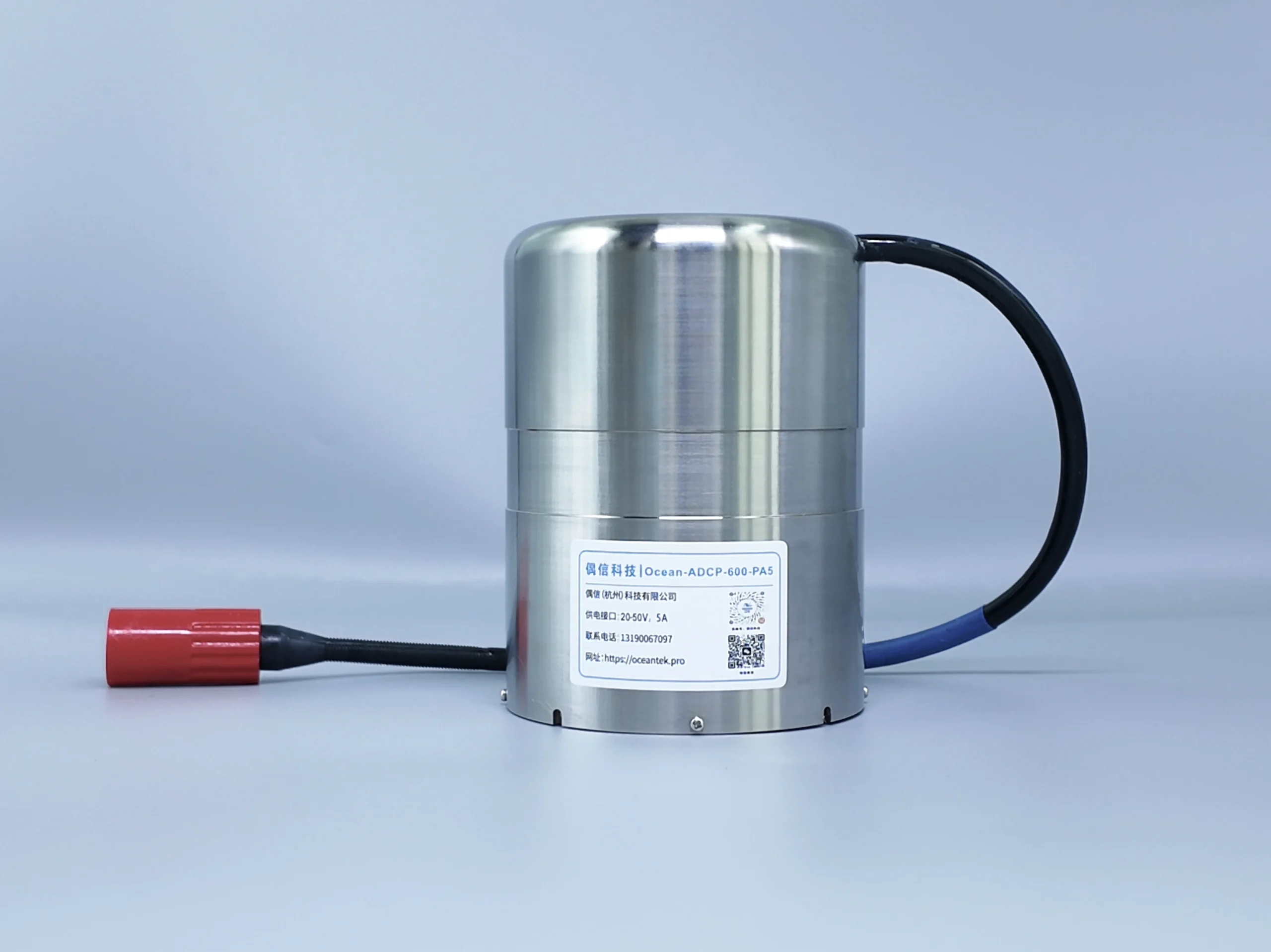
Ocean-ADCP-600-PA5
600kHz phased-array ADCP in a Φ92mm micro-casing. Same 70m profiling range as the FA4 with ≤5W power draw. For buoys, compact platforms, and space-constrained deployments. DR & SC.
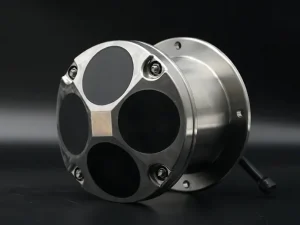
Ocean-ADCP-600-FA4
600kHz piston ADCP for shallow-water coastal profiling. 70m range, 0.25m blind zone — the highest-resolution instrument in the Ocean ADCP lineup. DR & SC configurations.
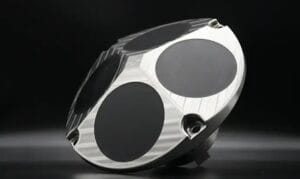
Ocean-ADCP-300-FA4
300kHz piston ADCP — the most versatile in the lineup. 220m range covers the full continental shelf. The default choice for offshore wind metocean campaigns and research vessel surveys. DR & SC.
Ocean-ADCP-75-PA4
75kHz phased-array ADCP for deep-ocean profiling. 600m range, 6,000m-rated titanium housing. Built for abyssal mooring arrays and basin-scale circulation studies. DR & SC.