
River ADCP — Streamflow & Discharge Measurement, Simplified
Purpose-built for river discharge measurement, velocity profiling, and hydrological surveys in shallow to medium-depth waterways. The River-ADCP-M9 delivers survey-grade accuracy in a portable, easy-to-deploy package.
Looking for HADCP (Horizontal ADCP)?
The River ADCP
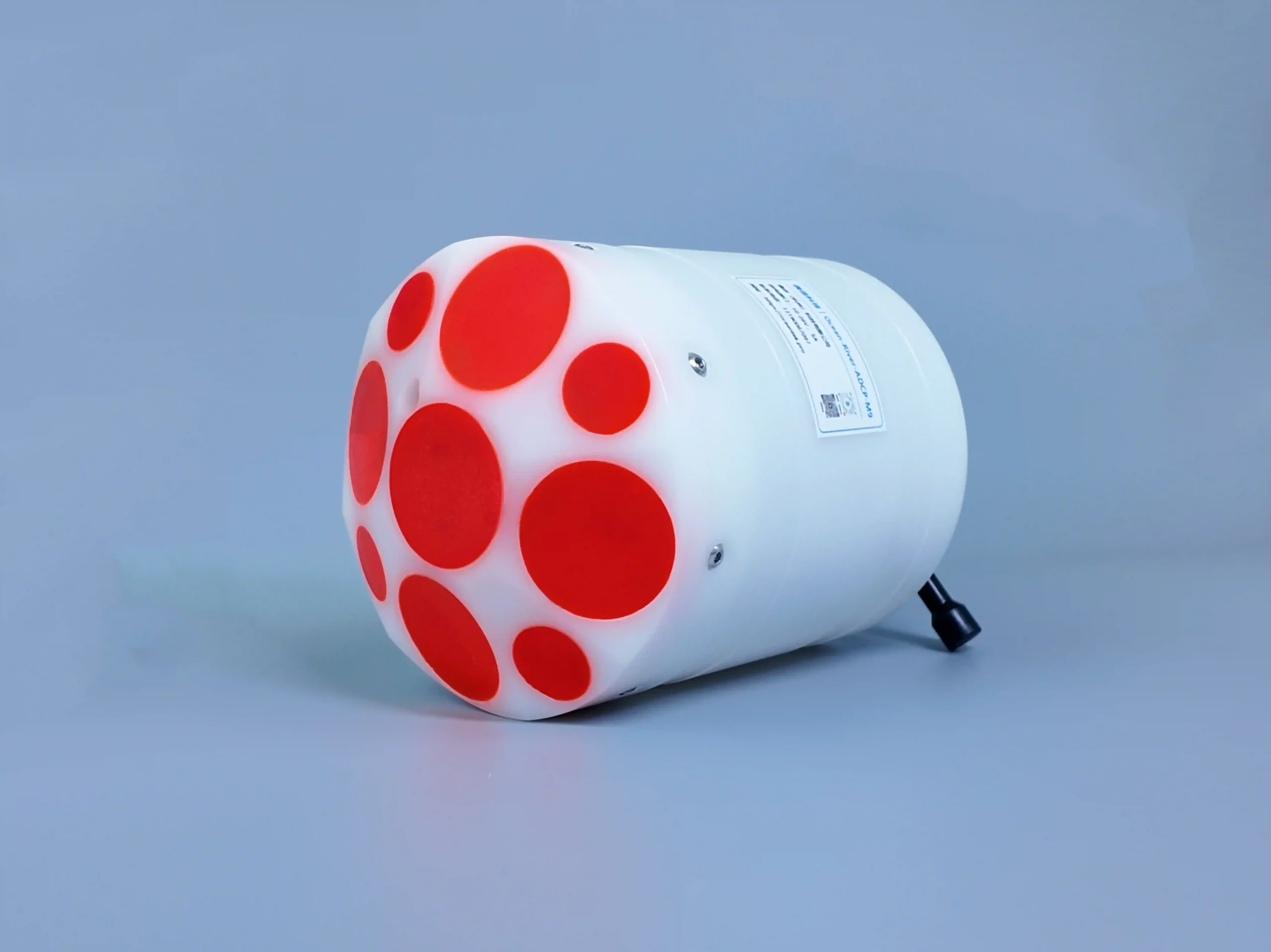
River-ADCP-M9
A compact, high-precision ADCP designed for river discharge measurement, velocity mapping, and bathymetric surveys. Whether mounted on a small survey boat, tethered across a channel, or deployed from a bridge, the M9 delivers reliable data in demanding freshwater environments.
- 9-beam array for high-resolution velocity profiling
- Built-in bottom tracking for moving-boat discharge
- Real-time data output via surface cable
- Portable — deployable from small boats or bankside
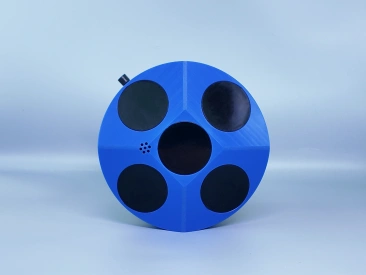
River-600-ADCP-FA5
600kHz0.25%±2mm/s0.5–65m5 Beams
The deep-river workhorse — 5-beam piston array with 20° beam angle and 110m bottom-track. For deep channels, turbid rivers, and challenging bottom conditions where bottom-lock matters most.
Built for River Hydrology
River-ADCP-M9 is purpose-built for these hydrological survey tasks.
Discharge Measurement
Moving-boat or stationary discharge measurements compliant with ISO 748 / USGS standards.
Velocity Profiling
High-resolution vertical velocity profiles across river cross-sections for flow analysis.
Small-Boat Surveys
Lightweight and portable — deploy from inflatable boats, kayaks, or tethered setups.
Bridge & Cableway
Fixed-station deployment from bridges or cableways for long-duration flow monitoring.
River ADCP or Ocean ADCP?
If you’re unsure which product line fits your work, this comparison should help.
| River ADCP | Ocean ADCP | |
|---|---|---|
| Environment | Rivers, canals, estuaries | Coastal, shelf, deep ocean |
| Typical Depth | <0.06 m – 30 m | 30 m – 650 m |
| Primary Use | Discharge measurement, flow gauging | Current profiling, mooring observation |
| Deployment | Small boat, bankside, bridge, cableway | Vessel, mooring, platform, AUV/ROV |
| Key Metric | Discharge (m³/s), velocity cross-section | Current speed/direction vs. depth |
| Frequency Range | Dual-frequency: 3.0MHz + 1.0MHz | 75kHz – 600kHz multi-band options |
| Number of Beams | 9 (incl. vertical echo sounder) | 4 (Janus configuration) |
| Product Count | 1 platform (River-ADCP-M9) | 4 platforms (600/300/75, FA4/PA) |
| DR / SC Configs | DR Only | Both available on all models |
| View River-ADCP-M9 → | Explore Ocean ADCP → |
How a River Discharge Survey Works
From setup to report — a typical survey with River-ADCP-M9 in Direct-Reading configuration.
Setup & Calibrate
Mount M9 on boat or tethered rig. Connect to laptop. Run pre-deployment checks — compass calibration, depth verification.
→
Cross-Section Survey
Navigate across the river at steady speed. Real-time velocity profile, bathymetry, and discharge estimates update on screen.
→
Data Processing & Report
Post-process with companion software. Generate discharge reports, velocity contour plots, and cross-section diagrams.
Frequently Asked Questions
What is the difference between HADCP and a regular (vertical) ADCP?
Choose River ADCP if your primary task is river discharge measurement — gauging streamflow (m³/s), velocity cross-sections, and hydrological surveys in shallow water (<30m). The River-ADCP-M9 is optimized for small-boat deployment and rapid survey turnaround.
Choose Ocean ADCP if you’re working in coastal waters, continental shelves, or deep ocean — current profiling for oceanography, offshore energy, or subsea operations.
Can I use River-ADCP-M9 in the ocean or coastal waters?
What survey standards does the M9 comply with?
Ready to Start Your River Survey?
Answer four quick questions and get a tailored instrument recommendation.
Also explore: