
Ocean ADCP — Marine Current Profilers for Coastal, Shelf & Deep-Ocean,Marine Surveys
Six hardware platforms from 600kHz to 75kHz, with piston and phased-array transducer options. Each model is available in Direct-Reading (cabled real-time) and Self-Contained (battery autonomous) configurations — choose the instrument, then choose how you deploy it.
Applications
One Series, Every Marine Scenario
From estuary surveys to deep-ocean moorings — Ocean ADCP covers the full spectrum.
Each model is configurable for your deployment method.
Vessel-Mounted Profiling
Real-time current profiles on the move. Pair600-FA4 or 300-FA4 with the Direct-Readingconfiguration for shipboard surveys.
Mooring & Long-Term Deployment
Battery-powered autonomous recording forweeks to months. 75-PA4 in Self-Containedconfiguration is the deep-ocean standard.
Coastal & Platform
Monitoring
Buoy, rig, or pier-mounted observation. 600-PA5and 300-FA4 offer flexible deployment for fixedstations.
Product Lineup
Six Platforms. Configurable for Your Deployment.
Each platform covers Direct-Reading or Self-Contained configurations on a single product page.
Click through for full specs, drawings, and configuration details.
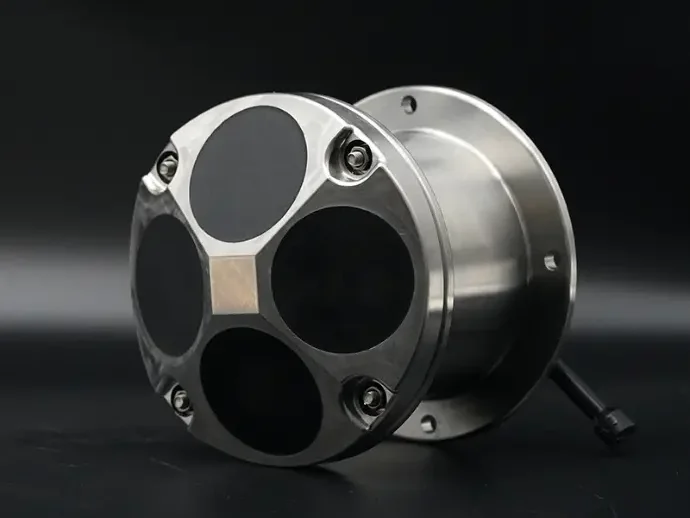
Ocean-600-ADCP-FA4
600kHz0.3%±3mm/s55–70m4 Beams
Highest-resolution ADCP — 0.8m blind zone. The go-to for estuary surveys, nearshore profiling, and any shallow-water application where spatial resolution is critical.
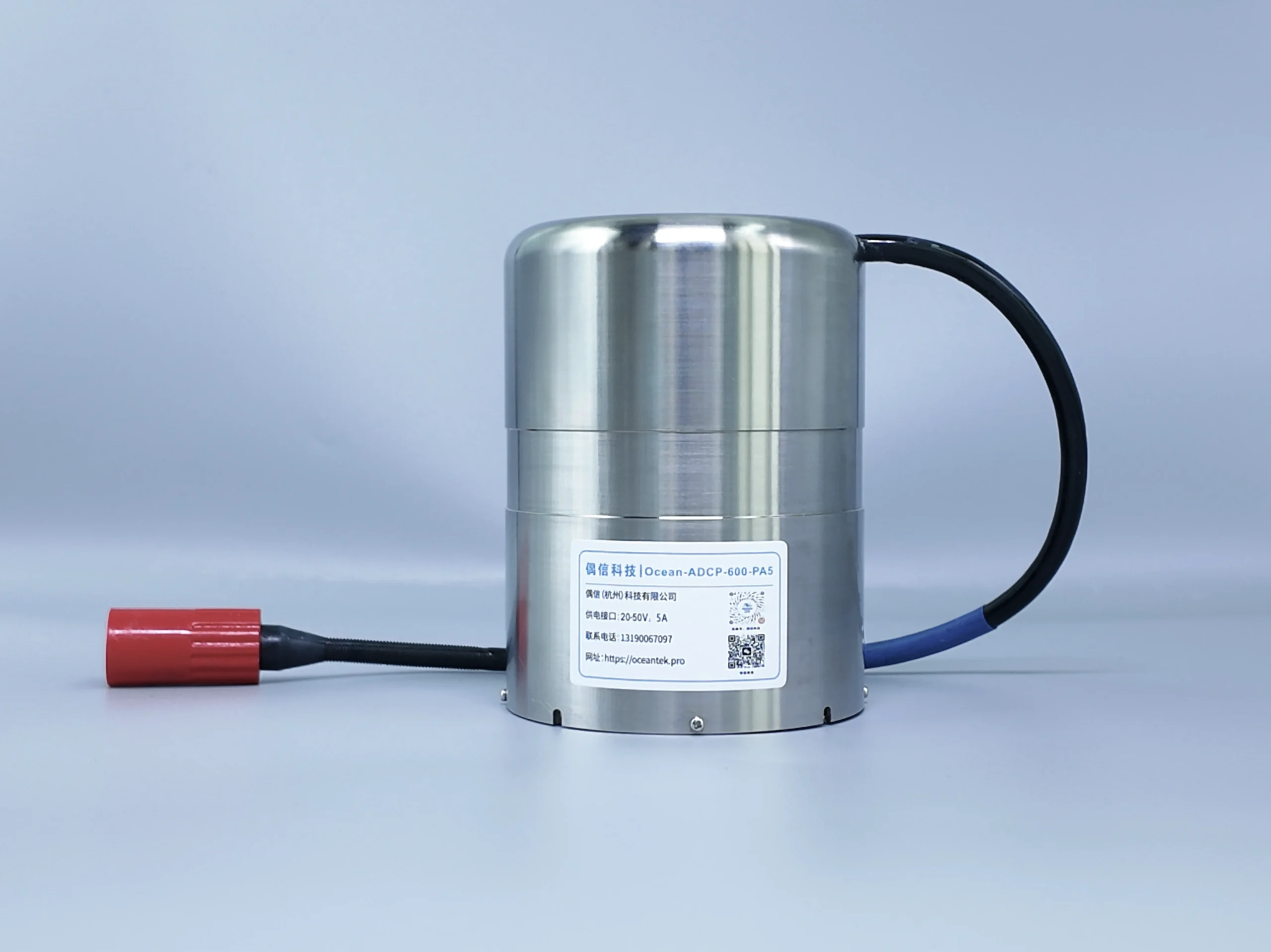
Ocean-600-ADCP-PA5
600kHz0.3%±3mm/s55–70m5 Beams
600kHz planar phased-array ADCP. More compact than FA4; designed for fixed-platform current monitoring and mid-depth coastal deployments.
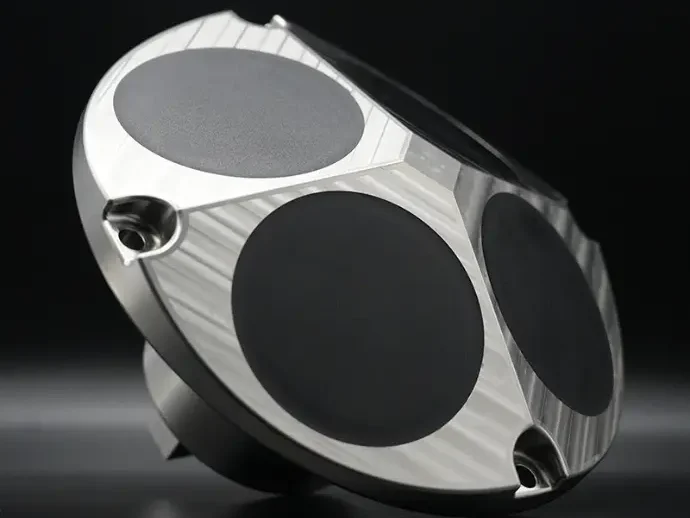
Ocean-300-ADCP-FA4
300kHz0.5%±5mm/s120–160m4 Beams
The most versatile Ocean ADCP. Balanced range and resolution for continental shelf surveys, offshore wind metocean campaigns, and general-purpose marine profiling.
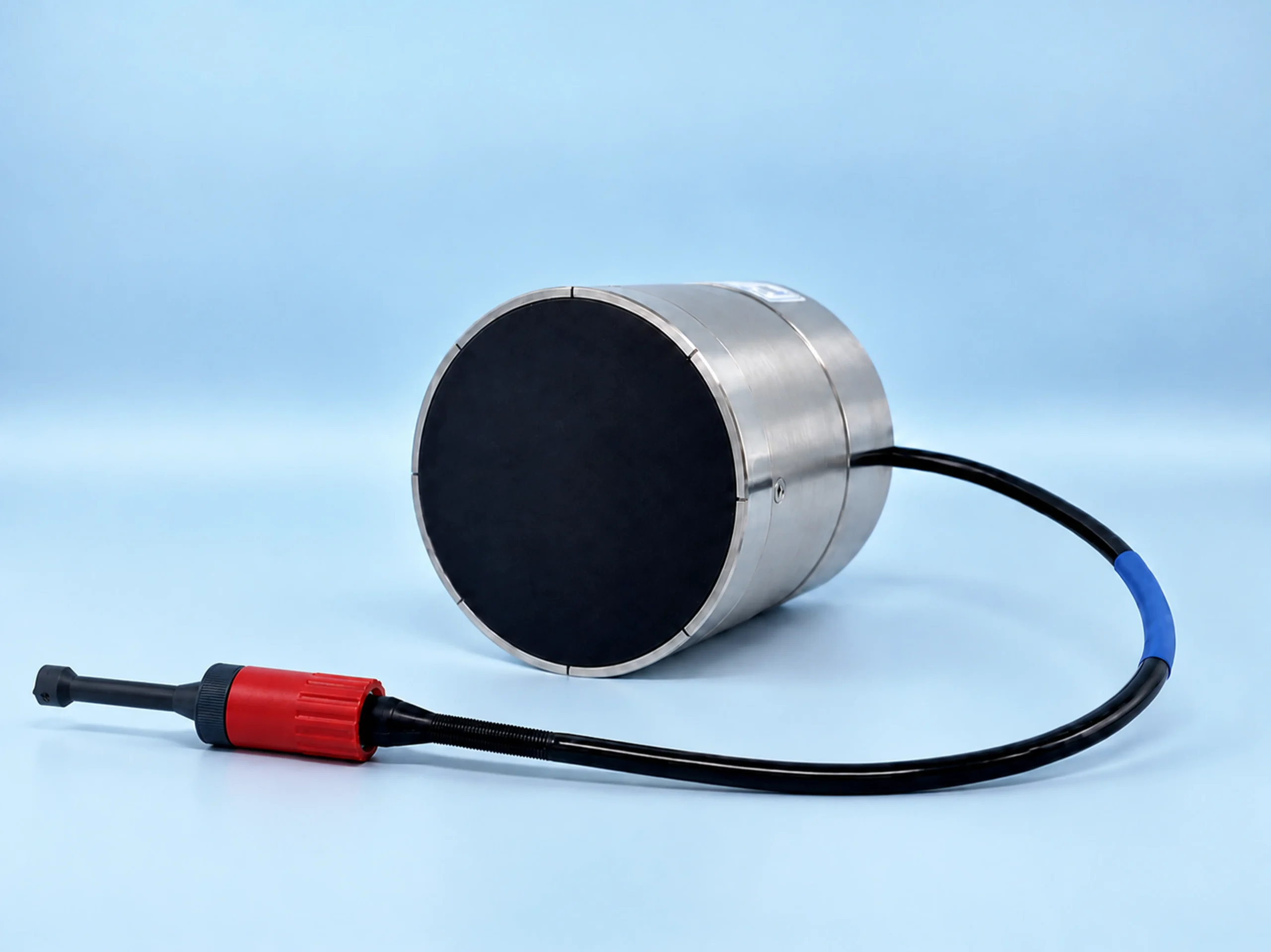
Ocean-300-ADCP-PA5
300kHz0.5%±5mm/s120–160m5 Beams Phased Array
A planar phased array with a compact size Ø112×126.Purpose-built for oceanographic survey, marine environmental monitoring, waterway hydrodynamics and coastal engineering.
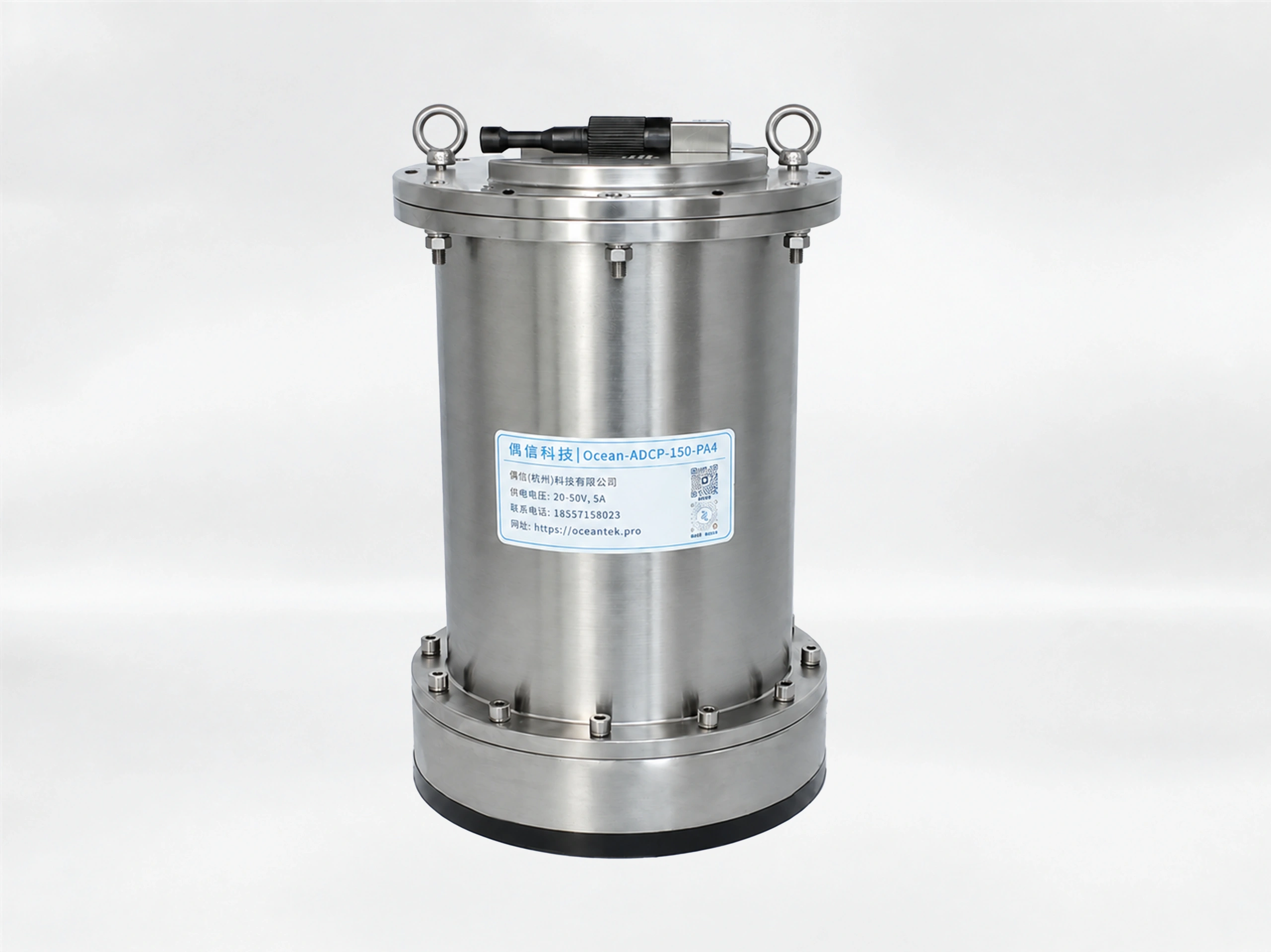
Ocean-150-ADCP-PA4
150kHz1%±5mm/s250–400m4 Beams Phased Array
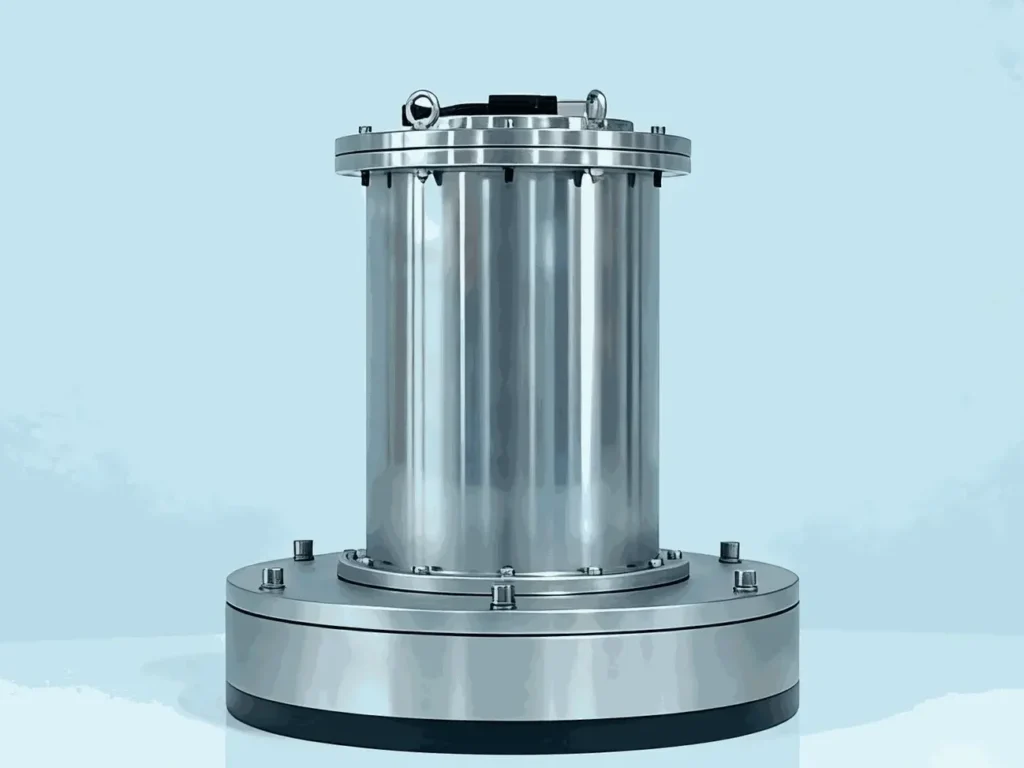
Ocean-75-ADCP-PA4
75kHz1%±5mm/s550–650m4 Beams Phased Array
Deep-ocean workhorse. 650m profiling range for full-depth current observation, deep mooring arrays, and basin-scale circulation studies.
At a Glance
How to Choose the Right Ocean ADCP?
Start with the application and deployment conditions you need. Use the matrix below to identify the most suitable platform, then open the product page for complete specifications.
| Application fit Selection criteria | 600-FA4 600 kHz · FA4 Piston 55–70 m profile | 600-PA5 600 kHz · PA5 Phased Array 55–70 m profile | 300-FA4 300 kHz · FA4 Piston 120–160 m profile | 300-PA5 300 kHz · PA5 Phased Array 120–160 m profile | 150-PA4 150 kHz · PA4 Phased Array 250–400 m profile | 75-PA4 75 kHz · PA4 Phased Array 550–650 m profile |
|---|---|---|---|---|---|---|
| Ports, harbors and nearshore surveys High spatial resolution; vessel-mounted profiling | ✓Recommended | ✓Recommended | ||||
| Estuaries, coastal zones and continental-shelf surveys Typical profiling range of 70–160 m | ✓Recommended | ✓Recommended | ||||
| Offshore wind, marine engineering and EIA Shelf-depth profiling; vessel or fixed-platform deployment | ✓Recommended | ✓Recommended | ||||
| Buoys, fixed platforms and constrained installations Compact footprint; low power consumption | ✓Recommended | ✓Recommended | ||||
| USV and AUV current profiling Compact phased-array integration; lower flow disturbance | ✓Recommended | ✓Recommended | ||||
| Shelf-edge and upper-slope studies 160–400 m profiles; sediment or bioacoustic applications | ✓Recommended | |||||
| Deep-ocean moorings and basin-scale circulation Profiling range beyond 400 m | ✓Recommended | |||||
| Long-term autonomous deployment Battery-powered, unattended operation | ✓Recommended | ✓Recommended | ✓Recommended | |||
| Product specifications | View Specs → | View Specs → | View Specs → | View Specs → | View Specs → | View Specs → |
Profiling range is the distance over which currents are measured from the instrument and is separate from housing depth rating. Final configuration depends on water clarity, current conditions, mounting, duty cycle and telemetry. Self-Contained availability varies by model.
Transducer Guide
FA4 (Piston) or PA Series (Phased-Array)?
Traditional ADCPs use piston transducers — individual cylindrical ceramic elements, each mechanically aimed at a fixed angle (typically 20–30° from vertical). This works well but creates a bulky transducer head with protruding elements.
Phased array ADCPs use a flat ceramic plate with multiple small elements. By electronically controlling the phase delay between elements, the acoustic beam is steered — no moving parts, no protruding pistons. Benefits:
- Smaller form factor: Flat face, 70% less frontal area. Fits small USV hulls and AUV payload bays that can’t accommodate piston heads.
- Lower flow noise: No protruding elements means less turbulence around the transducer face. Cleaner velocity data at higher vessel speeds.
- Electronic beam steering: Beam angle can be adjusted in firmware, not fixed at manufacture.
The trade-off: phased array transducers are more complex to manufacture and calibrate. For most vessel-mounted surveys, piston transducers (FA4 series) are the proven, cost-effective choice. For compact unmanned platforms, the PA5 phased array is the right tool.
FAQ
Frequently Asked Questions
What's the difference between Ocean ADCP and River ADCP?
Ocean ADCP is designed for marine environments — coastal waters, continental shelves, and deep ocean — with profiling depths from 70m to 650m. River ADCP is optimized for shallow, narrow waterways and typically uses boat-mounted vertical profiling for discharge measurement. The deployment environment determines which series you need.
How do Ocean ADCPs handle biofouling in long-term mooring deployments?
What data output formats are supported? Will it work with my survey software?
All Ocean ADCP models output standard formats including binary PD0, ASCII, and MATLAB-compatible files. Real-time data streams via RS-232 or RS-422 serial, with Ethernet as an option. The PD0 format is directly compatible with major hydrographic software — WinRiver II, QRev, VMT, Hypack, and QINSy.
Can I deploy multiple ADCPs close together without acoustic interference?
Yes — all Ocean ADCP models support user-configurable transmit pulse timing and frequency coding. For multi-instrument arrays (e.g., mooring line with ADCPs at 3 depths), you can stagger ping intervals to avoid cross-talk. If you need to deploy ADCPs at the same depth within each other’s beam range, choose models operating at different frequencies (e.g., 600kHz and 300kHz). Our engineering team can help plan your array layout — include a site diagram when you reach out.
What kind of post-purchase support and training do you provide?
Every Ocean ADCP includes 12 months of technical support from our application engineers — email, video call for critical deployments. We provide a comprehensive user manual, deployment checklist, and data processing guide. For teams new to ADCP operation, covering instrument setup, survey planning, data QA/QC, and basic maintenance. Training can be bundled with your purchase or arranged separately — ask for a training scope.
How does Ocean ADCP accuracy compare to mechanical current meters?
ADCPs and mechanical current meters measure differently — ADCPs profile an entire water column remotely, while mechanical meters measure at a single point. In controlled comparison studies, velocity measurements from a properly calibrated Ocean ADCP agree with mechanical current meters within ±1 cm/s or ±1% of measured velocity (whichever is greater). The key advantage is spatial coverage: an ADCP gives you a full velocity profile in minutes, which would take hours with mechanical meters at multiple depths.
Not Sure Which Configuration You Need?
Contact our engineering team and we’ll send you sulotions soon
Also explore our other product lines: