Introduction: The Role of ADCP Doppler Technology in Modern Hydrology
Water resource agencies worldwide face a common challenge: how to measure river flow accurately, continuously, and cost-effectively. Traditional methods — mechanical current meters, float tracking, and stage-discharge rating curves — have served hydrologists for decades. But they come with inherent limitations: labor-intensive deployment, point measurements that miss cross-sectional variation, and significant uncertainty during flood events when data matters most.
This is where ADCP Doppler (Acoustic Doppler Current Profiler) technology has transformed the field. By using acoustic Doppler principles to measure water velocity across the entire water column — not just at a single point — modern ADCPS deliver a step-change in data quality, spatial resolution, and operational efficiency for hydrological monitoring applications.
In this guide, we examine how ADCP Doppler current profilers are deployed across key hydrological scenarios, what to look for when selecting an instrument, and how the latest generation of ADCPS is reshaping river discharge measurement, flood early warning, and water resource management.
How ADCP Doppler Technology Works in Hydrological Contexts
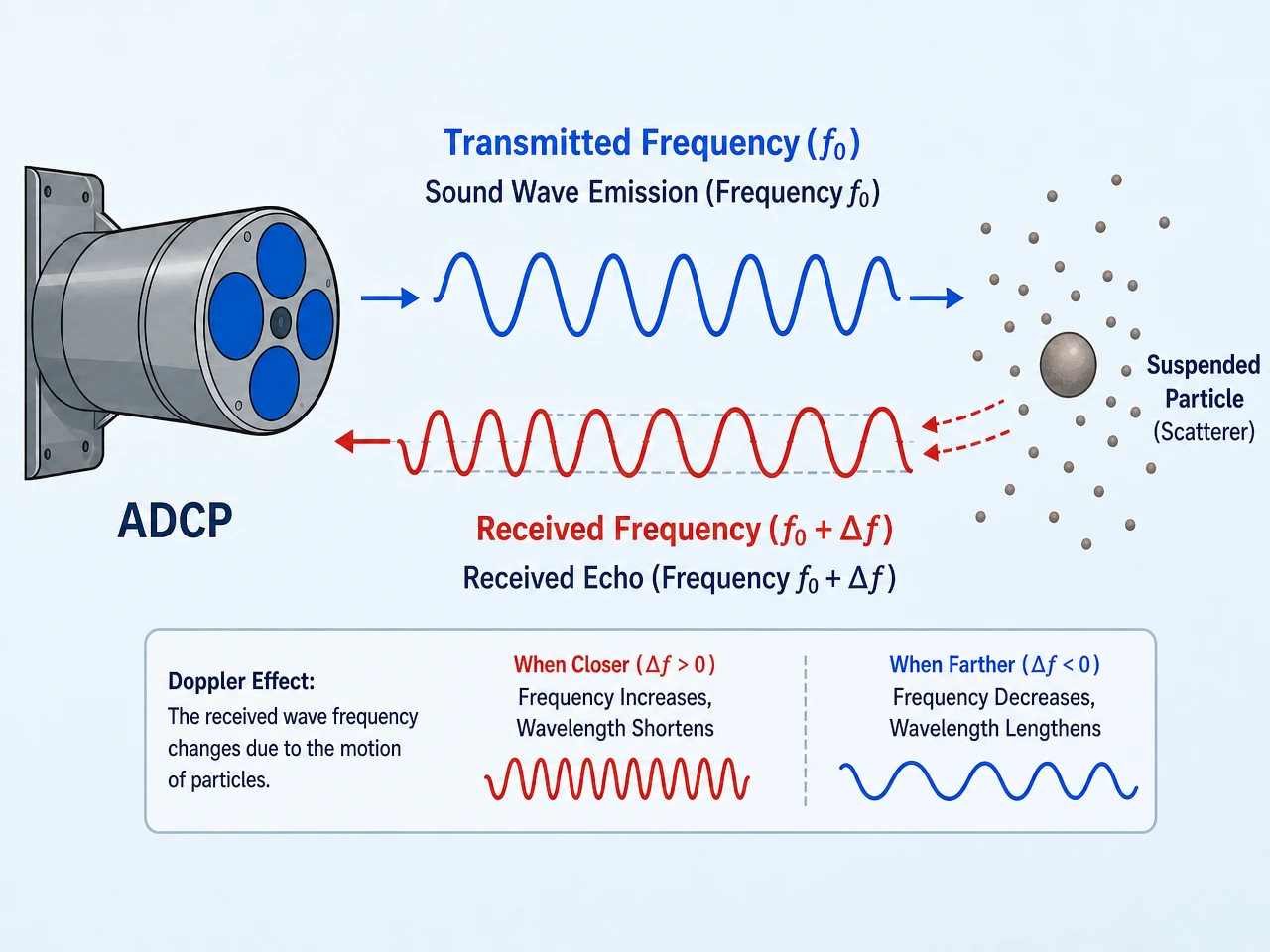
The core principle behind every ADCP Doppler system is the Doppler shift: an acoustic pulse transmitted into the water column reflects off suspended particles, plankton, and sediment. The frequency shift between the transmitted and received signal is proportional to the water velocity. By measuring this shift across multiple acoustic beams — typically four or more — an ADCP reconstructs a 3D velocity profile from the riverbed to the surface.
For hydrological monitoring specifically, three technical capabilities set modern ADCPS apart:
- Depth-cell binning: The water column is divided into discrete measurement cells (typically 0.1 m to 4 m in height), producing a vertical velocity profile rather than a single-point reading.
- Bottom tracking: By correlating return signals from the riverbed, the ADCP determines its own velocity relative to the bottom — critical for moving-boat discharge measurements.
- Discharge integration: Built-in algorithms combine velocity profiles with cross-sectional geometry to compute total discharge (m³/s) in real time.
According to the U.S. Geological Survey (USGS), hydroacoustic instruments — principally ADCPS — are now the standard method for discharge measurement at over 7,000 streamgaging stations across the United States. The ISO 748 standard further recognizes acoustic Doppler methods as a primary technique for determining liquid flow in open channels.
Key Hydrological Monitoring Applications for ADCPS
ADCP Doppler technology now supports a broad range of hydrological workflows. Below are the four application categories where ADCPS deliver the strongest operational return on investment.
1. River Discharge Measurement
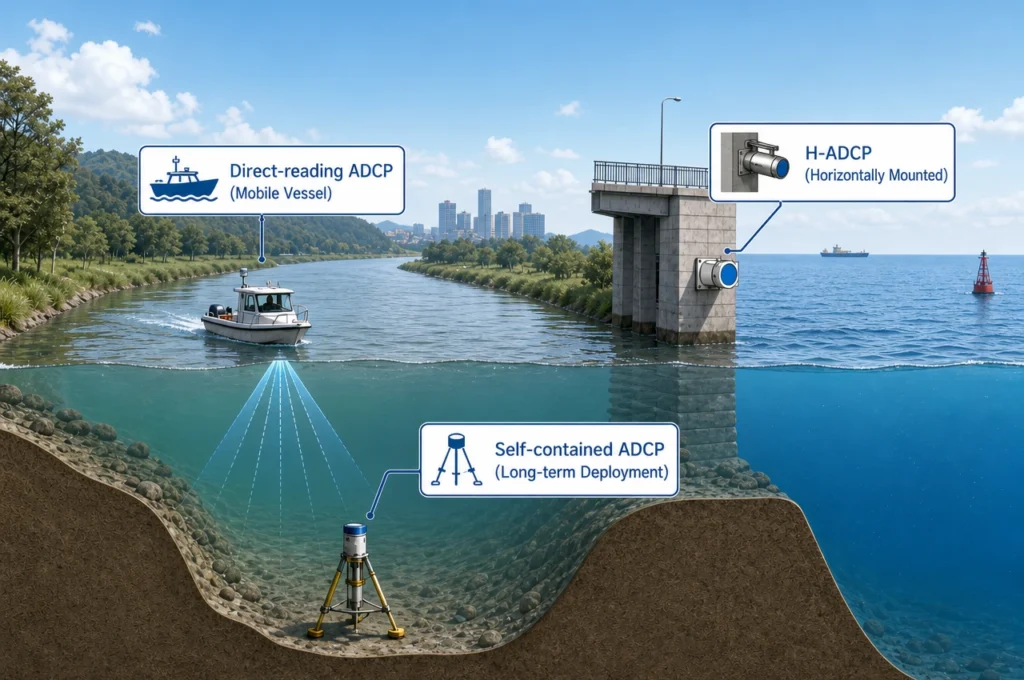
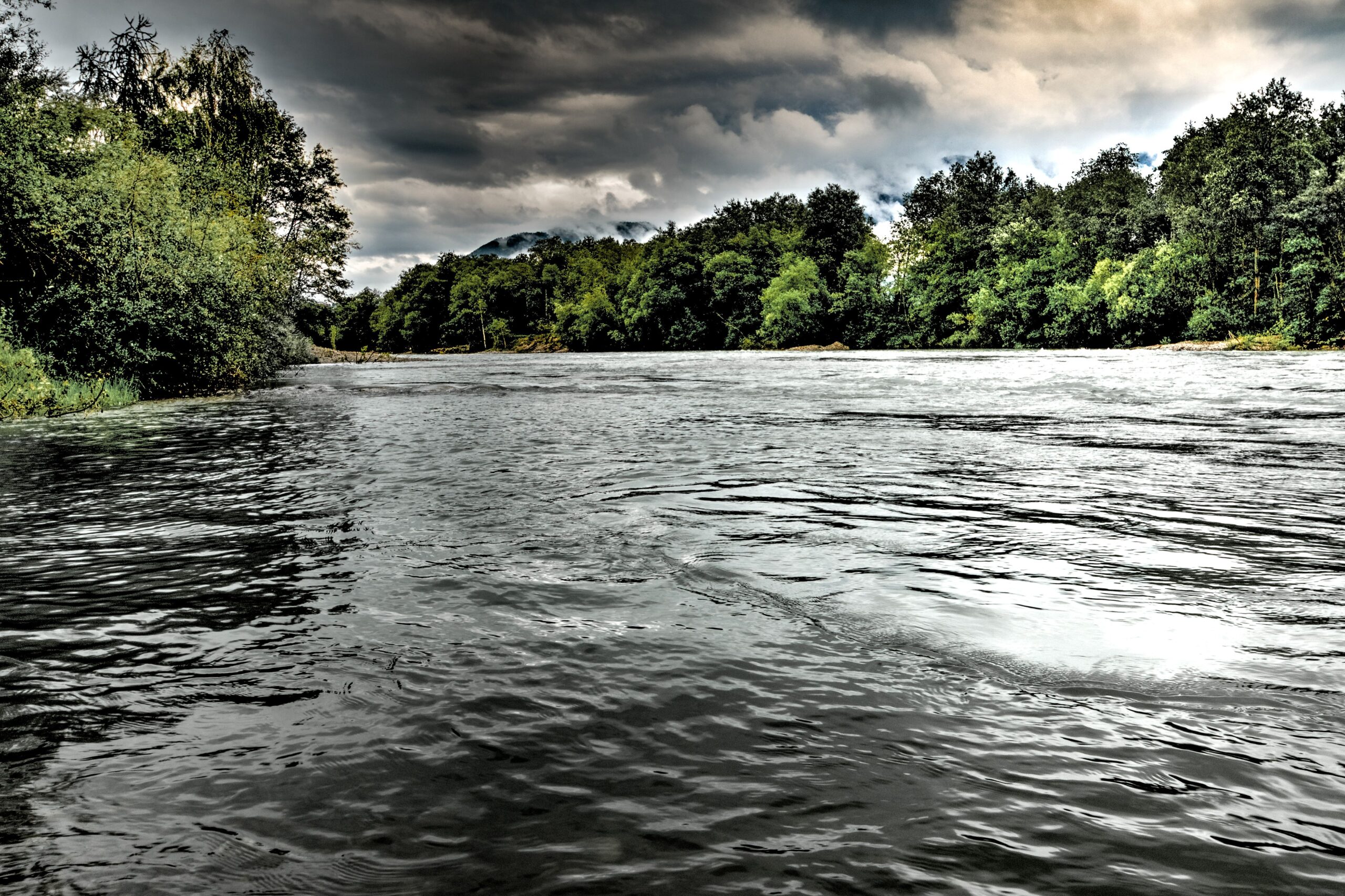
Moving-boat discharge measurement is the single most common hydrological application for ADCPS. A vessel-mounted ADCP Doppler system traverses the river cross-section while simultaneously collecting velocity profiles and bottom-track data. A complete transect — which might take 30–60 minutes with a mechanical current meter — can be completed in 5–15 minutes with an ADCP, and with significantly higher spatial resolution.
Key advantages over conventional methods include:
- Up to 90% time savings per discharge measurement
- Full cross-sectional velocity mapping rather than point samples at 20–30 verticals
- Valid measurements during unsteady flow — the ADCP captures spatial variability that a single-point meter cannot
- Reduced personnel risk — measurements can be taken from bridges, cableways, or unmanned vessels
For organizations running regular discharge campaigns, the productivity gains alone typically justify the transition from mechanical meters to a modern ADCP Doppler system within a single field season. For a deeper dive into river-specific measurement techniques, see our complete guide to ADCP for river flow measurement.
2. Flood Early Warning & Real-Time Monitoring
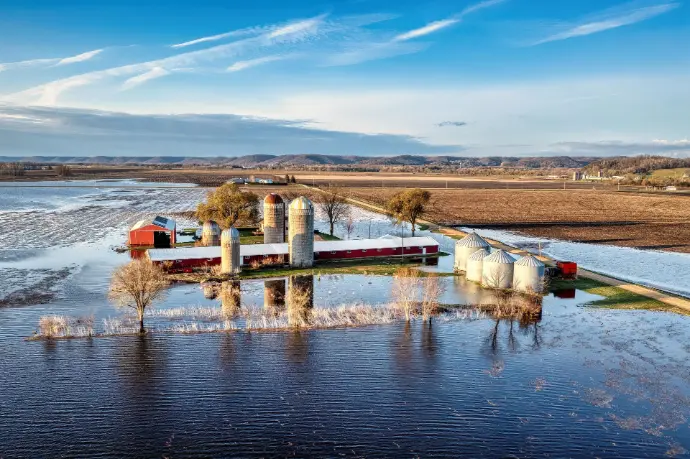
Fixed-installation ADCPS — particularly horizontal ADCP (HADCP) configurations — provide continuous, real-time discharge data that is invaluable for flood forecasting and emergency response. Unlike stage-only gages that estimate discharge from a rating curve, an ADCP Doppler station measures velocity directly, making it far more reliable during extreme events when the rating relationship may break down.
In a typical HADCP deployment, the instrument is mounted at a fixed depth on a bridge pier or channel wall, transmitting horizontally across the flow. The system reports velocity and discharge at user-defined intervals — often every 15 minutes — directly to SCADA or web-based telemetry platforms. During the 2024 monsoon season, flood-prone basins in Southeast Asia using HADCP-based early warning networks reported lead times improved by 2–6 hours compared to stage-only systems, according to WMO operational reports.
Learn more about fixed-installation best practices in our article on horizontal ADCP real-time river discharge monitoring.
3. Reservoir, Canal & Water Diversion Monitoring
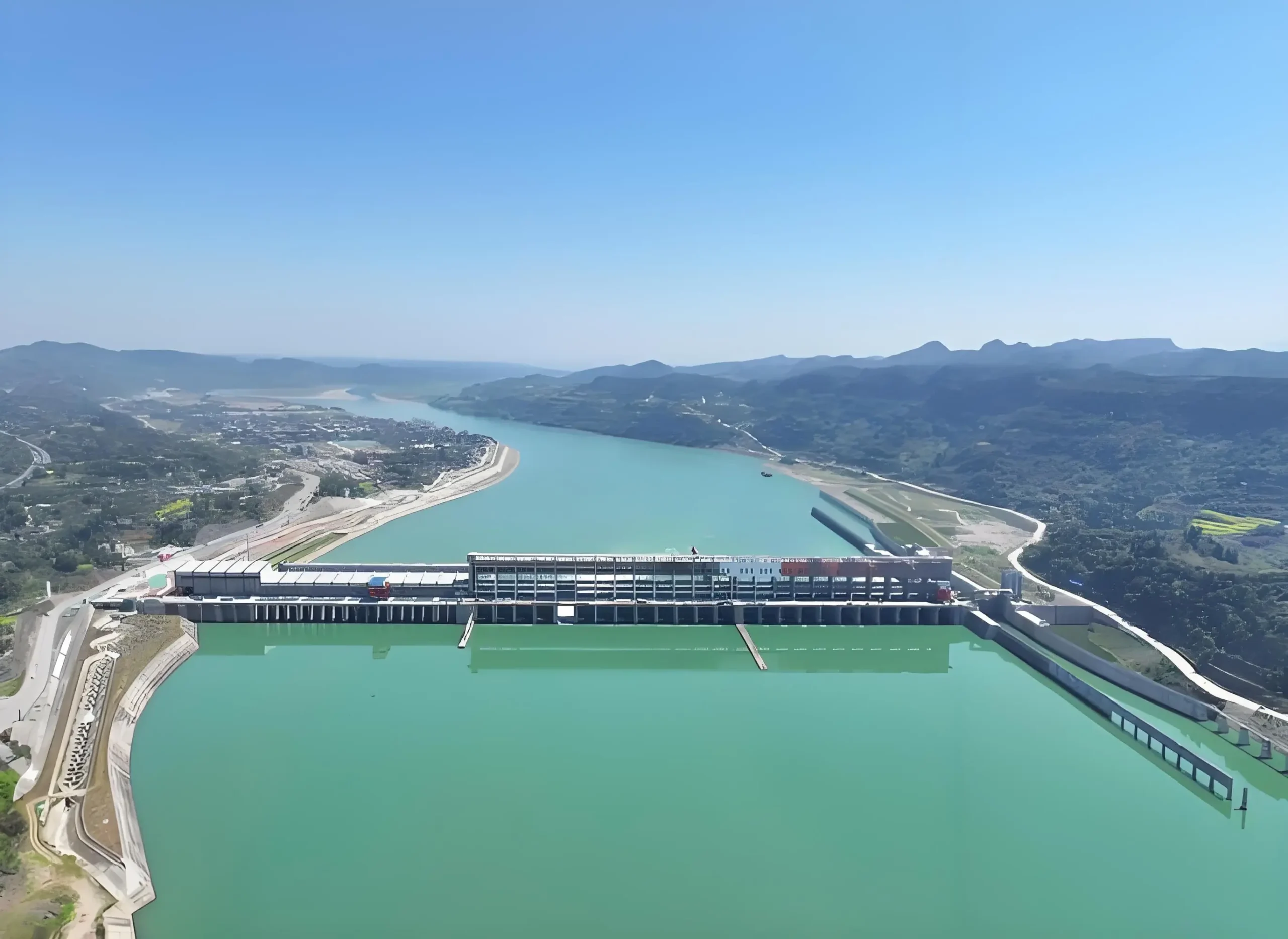
Water resource managers rely on accurate flow data to operate reservoirs, irrigation canals, and inter-basin water transfer projects. ADCPS deployed at intake structures, canal cross-sections, and diversion gates provide the continuous flow data needed for:
- Complying with instream flow requirements and environmental flow regulations
- Calibrating and validating hydraulic models used for operational decision-making
- Detecting unauthorized water withdrawals or conveyance losses
- Optimizing turbine and pump operations based on real-time flow conditions
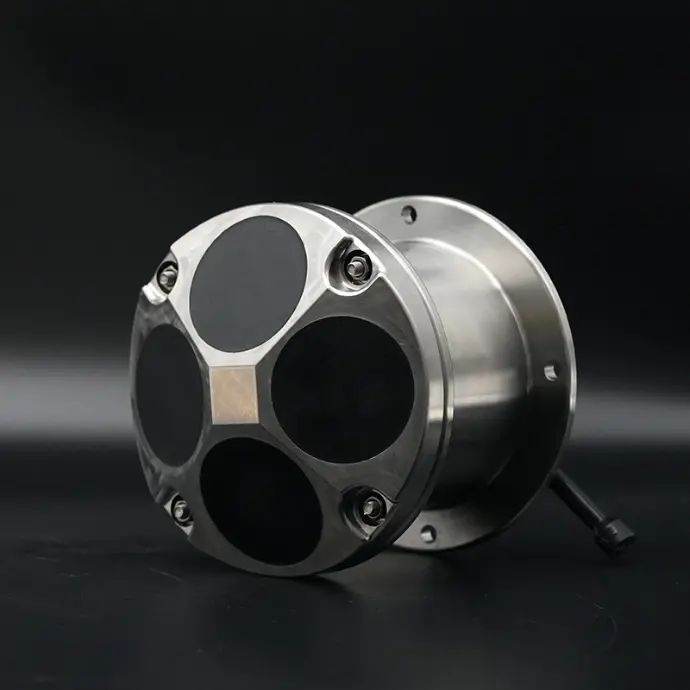
For canals and narrow channels, a river-type ADCP Doppler system operating at 600 kHz offers an optimal balance of range and resolution. The compact beam geometry is well suited to constrained cross-sections where larger instruments cannot be deployed.
4. Integrated Water Quality & Sediment Flux Monitoring
Beyond velocity and discharge, many modern ADCPS provide backscatter intensity data that can be calibrated to estimate suspended sediment concentration (SSC). When combined with discharge data from the same instrument, this enables direct computation of sediment flux — a critical parameter for reservoir sedimentation studies, dredging planning, and water quality compliance monitoring.
This dual capability — simultaneous flow and sediment measurement — eliminates the need for separate instruments and reduces the cost and complexity of long-term monitoring programs.
Choosing the Right ADCP Doppler System for Hydrological Monitoring
Not all ADCPS are optimized for hydrological work. The table below summarizes the key instrument categories and their optimal use cases.
| Instrument Type | Typical Frequency | Best For | Recommended Oceantek Model |
|---|---|---|---|
| Horizontal ADCP (HADCP) | 600 kHz | Fixed-installation real-time monitoring; flood warning stations | HADCP-600 |
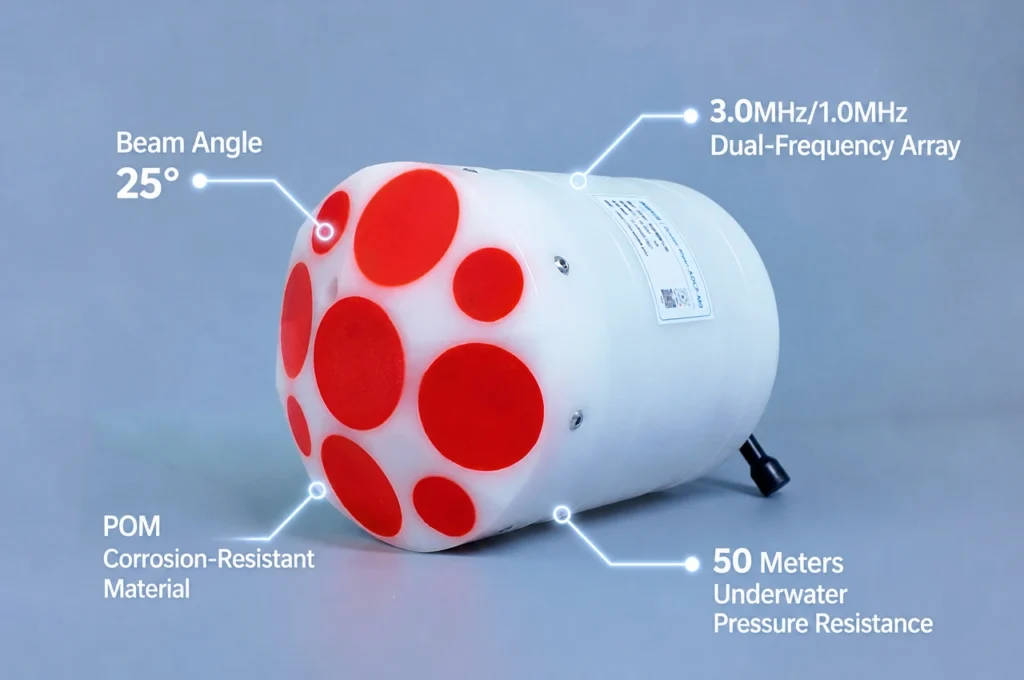
| River-Type ADCP (9-Beam) | Multi-frequency | Moving-boat discharge measurement; portable surveys; multi-purpose river profiling | River ADCP M9 |
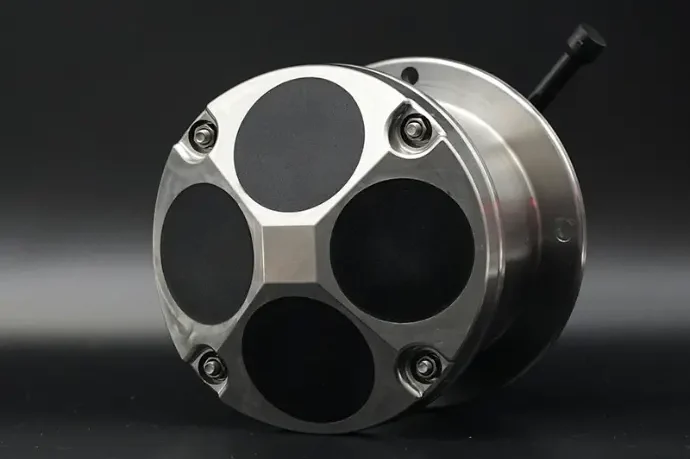
| Direct-Reading ADCP (Vessel-Mounted) | 300 / 600 kHz | Hydrographic survey vessels; detailed flow-field mapping; deep-water profiling | ADCP-600 DR-FA4 |
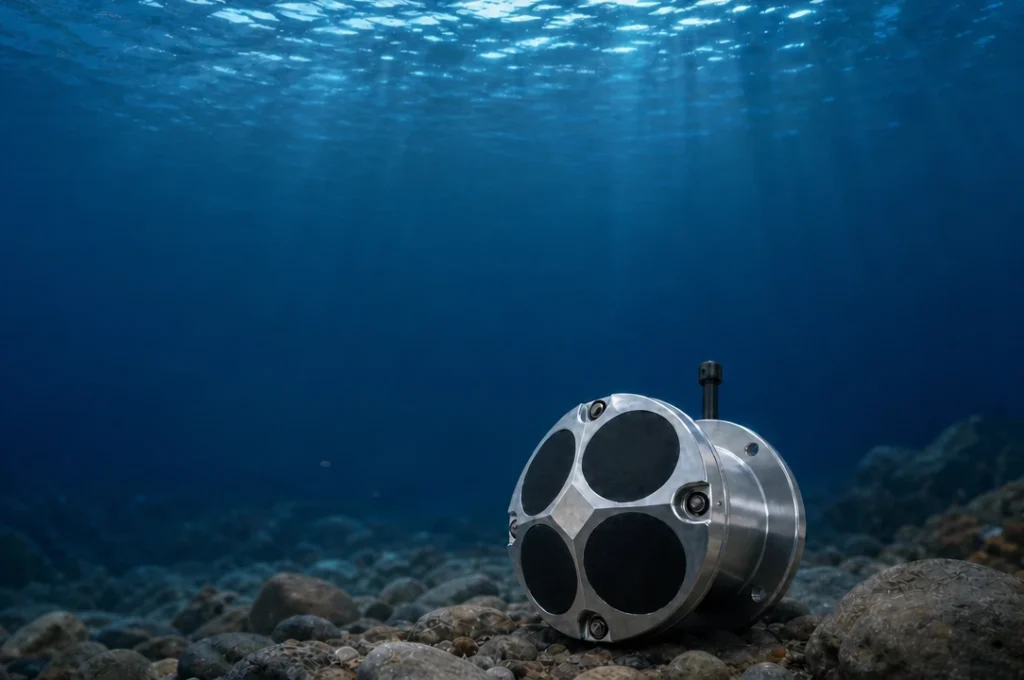
| Self-Contained ADCP | 300 / 600 kHz | Long-term autonomous deployment; mooring-based monitoring; remote sites | ADCP-600 SC-FA4 |
When evaluating ADCP Doppler systems for hydrological applications, prioritize these five parameters:
- Frequency selection: Lower frequencies (300 kHz) for deeper channels (>20 m); higher frequencies (600 kHz) for shallow rivers and high-resolution profiling. For a detailed walkthrough, see our frequency selection tutorial.
- Number of beams: 9-beam systems (like the Oceantek River ADCP M9) provide redundant velocity measurements and improved accuracy over standard 4-beam configurations.
- Bottom-tracking range: Critical for moving-boat work — ensure the instrument can maintain bottom lock at your site’s maximum depth and velocity.
- Communication protocol: PD0 binary output ensures compatibility with industry-standard discharge software (e.g., TRDI’s WinRiver II, SonTek’s RiverSurveyor, and open-source alternatives).
- Deployment flexibility: Can the same instrument serve as a portable survey tool today and a fixed monitoring station tomorrow?
Deployment Data: ADCPS in Real Hydrological Operations
The following operational examples illustrate how ADCP Doppler systems perform in demanding hydrological environments.
Case Study: River Discharge Measurement — 300 kHz ADCP Field Test
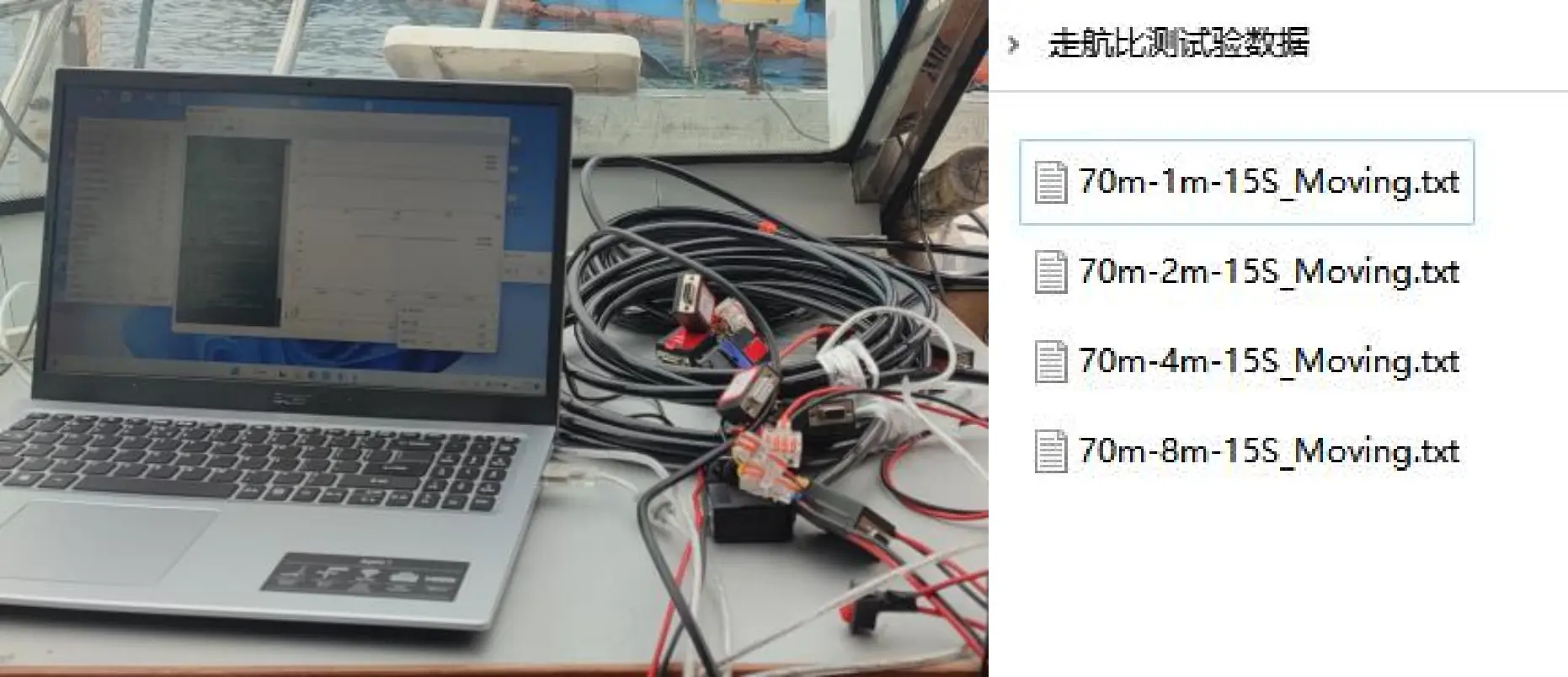
In a controlled comparison conducted at Qiandao Lake, an Oceantek 300 kHz ADCP Doppler system was tested against a TRDI Workhorse Sentinel 300 kHz ADCP under identical conditions. The results — published in full in our comparative test report — demonstrated:
- Velocity measurement consistency: Within 1.5% of reference values across the measured profile range
- Bottom-tracking reliability: Maintained bottom lock at depths exceeding 80 meters
- Discharge computation agreement: Within 2% of the reference instrument
Case Study: Flood Monitoring Network — Fixed HADCP Deployment
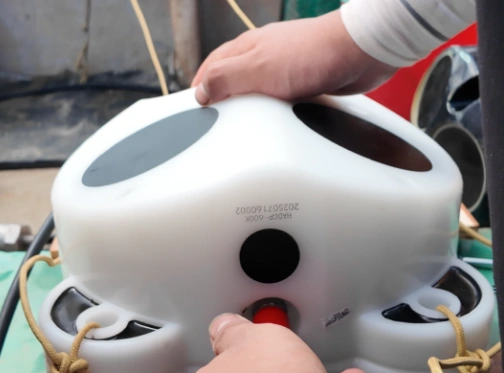
The Oceantek HADCP-600 has been deployed at multiple flood-prone river sections for continuous monitoring. Operating at 600 kHz with a horizontal beam configuration, these installations deliver real-time velocity and discharge data at 15-minute intervals. Key operational outcomes include:
- ≥180-day autonomous operation without intervention
- Successfully captured peak flood discharges during multiple storm events where traditional rating curves would have extrapolated beyond their calibrated range
- PD0 protocol compatibility enabled seamless integration with existing telemetry and data management infrastructure
For organizations considering fixed-site monitoring, our HADCP-600 flood control case study provides additional deployment details and performance data.
Why Oceantek ADCPS for Hydrological Monitoring?
Oceantek’s ADCP Doppler product line is purpose-built to address the specific demands of hydrological monitoring — where reliability, data quality, and cost-effectiveness are non-negotiable. Six characteristics set our ADCPS apart in this application space:
- ✅ Titanium alloy transducer housing — standard across all hydrological models, providing corrosion resistance without the cost premium of exotic materials
- ✅ PD0 binary protocol — fully compatible with the Teledyne RDI/TRDI software ecosystem; no vendor lock-in, no proprietary data formats
- ✅ Integrated temperature (±0.1°C), pressure (±0.25% FS), and attitude/heading sensors — no external sensors required for discharge computation
- ✅ RS-232 / RS-422 communication interfaces — standard industrial protocols for SCADA and telemetry integration
- ✅ Direct-reading and self-contained variants available for every frequency — one platform, multiple deployment modes
- ✅ 60–90 day standard lead time; 12-month warranty — supported by a dedicated technical team with hydrological domain expertise
Browse the complete ADCP Doppler hydrological monitoring portfolio on our river-type ADCP product page, or explore our full product catalog to compare specifications across all models.
Conclusion: The Future of Hydrological Monitoring Is Doppler
ADCP Doppler technology has moved from “emerging tool” to “standard method” in hydrological monitoring. Agencies and organizations that adopt modern ADCPS benefit from faster data collection, higher spatial resolution, safer field operations, and the ability to measure during extreme events when data is most critical.
Whether you are outfitting a national hydrological service, upgrading a single gauging station, or planning a basin-scale flood warning network, selecting the right ADCP Doppler current profiler is an investment that pays dividends in data quality and operational efficiency for years to come.
Ready to discuss your hydrological monitoring requirements? Contact the Oceantek technical team for a consultation.
References & Further Reading
- World Meteorological Organization — Hydrology and Water Resources Programme
- Oceantek — ADCP for River Flow Measurement: Complete Guide
- Oceantek — ADCP Frequency Selection: 75kHz vs 300kHz vs 600kHz
- Oceantek — Ocean 300K ADCP vs TRDI WHS 300K Comparative Test