The Acoustic Doppler Current Profiler (ADCP) is a game-changer in coastal studies. It measures water current velocities with precision.
This technology uses the Doppler effect to track water movement. It provides crucial data for understanding oceanographic processes.
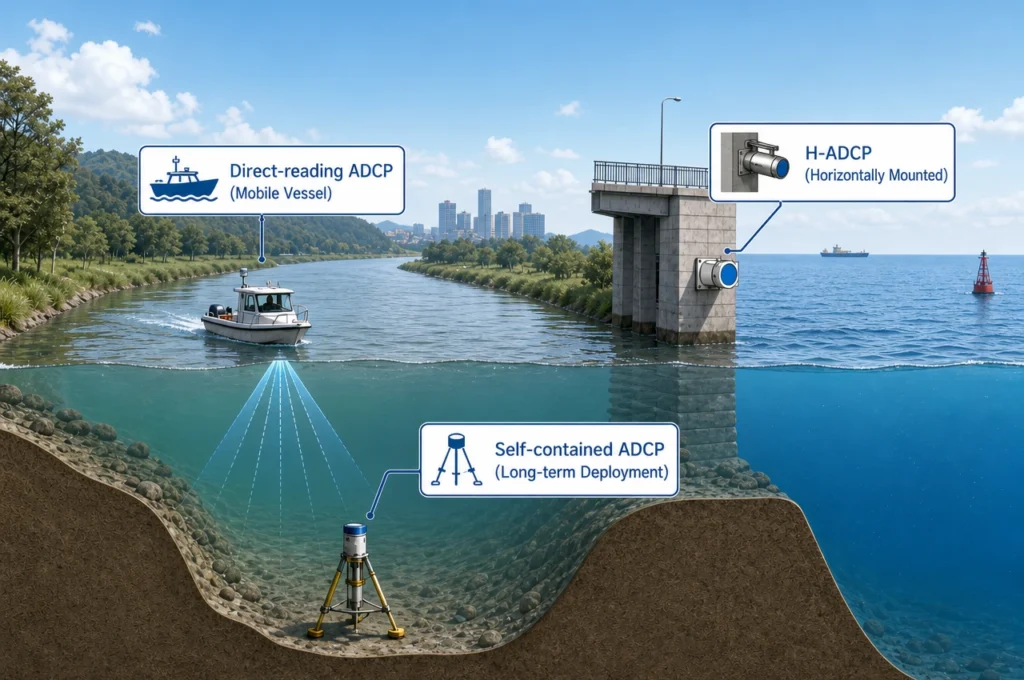
ADCPs are versatile, deployed on the seabed, vessels, or fixed installations. They are integral to hydrographic survey equipment.
These devices aid in mapping underwater environments and monitoring environmental changes. They are essential for assessing sediment transport and tidal flows.
ADCPs support maritime navigation, renewable energy projects, and climate change research. They are vital tools for marine scientists and coastal engineers.
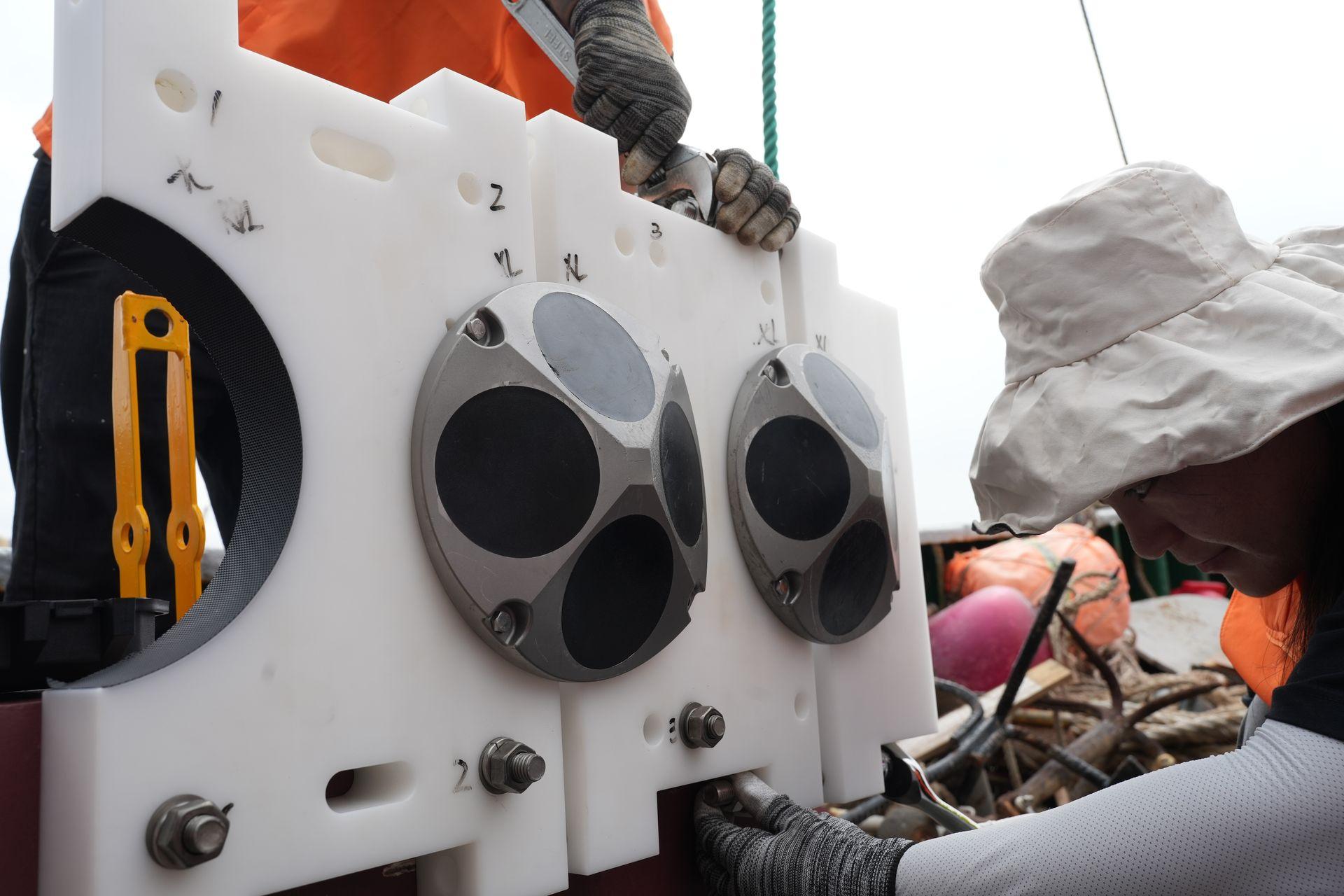
Understanding the Acoustic Doppler Current Profiler (ADCP)
The Acoustic Doppler Current Profiler, or ADCP, is a sophisticated tool for coastal studies. It measures the speed and direction of water currents through the Doppler effect. This advanced technology is indispensable for oceanographic research.
ADCPs employ sound waves to detect water movement. They send sound waves into the water, which bounce off particles. The frequency shift in the returning sound waves reveals water velocity. This method allows for high-precision data collection across different depths.
ADCPs can function in diverse marine environments. They work in both shallow coastal zones and deep-sea locations. This versatility ensures that they meet various research needs and conditions. This adaptability is key for comprehensive environmental monitoring.
The primary benefits of using ADCPs include:
- Accurate velocity measurements at multiple depths
- Real-time data for enhanced maritime safety
- Versatile deployment options in any marine setting
ADCPs contribute significantly to understanding marine ecosystems and physical processes. They provide data crucial for studying ocean currents, waves, and tides. These insights are invaluable for marine conservation and resource management.

How Does an Acoustic Doppler Current Profiler Work?
An Acoustic Doppler Current Profiler operates using the principles of the Doppler effect. This effect describes how sound frequency changes with the motion of particles. ADCPs exploit this to measure current velocities across various water depths.
The device transmits sound pulses into the water column. These pulses bounce off particles suspended in the water. As the particles move, the frequency of the reflected sound changes. The ADCP captures these shifts to determine current speed and direction.
Each ADCP consists of several key components:
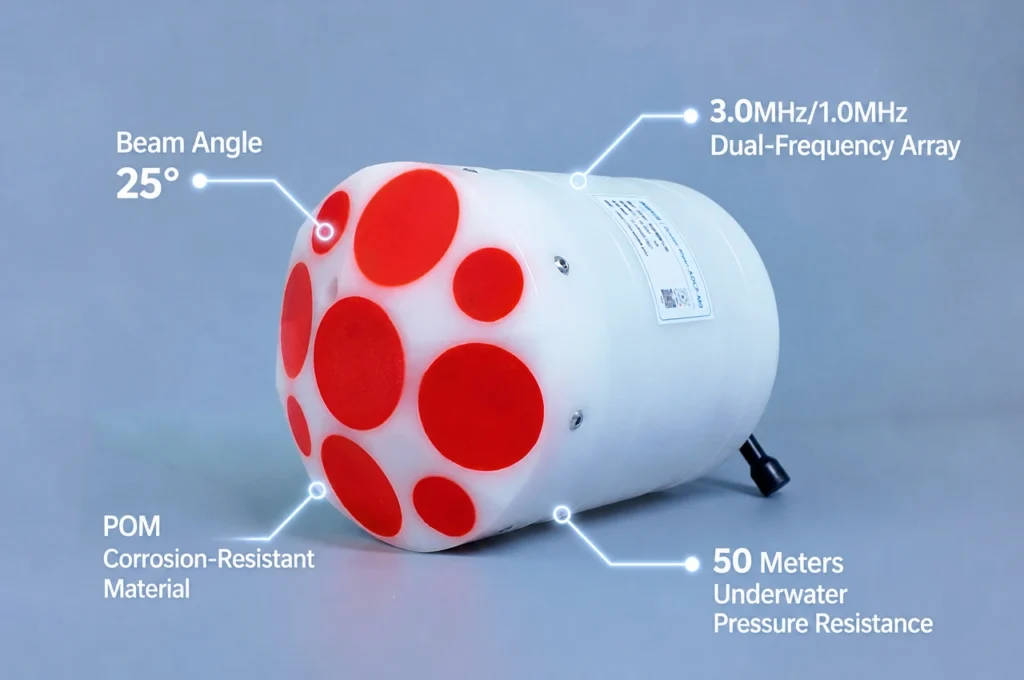
- Transducers: Emit and receive sound waves.
- Processing unit: Analyzes frequency changes.
- Power supply: Ensures continuous operation.

by boris misevic (https://unsplash.com/@borisview)
ADCPs are designed for deployment in various positions. They can be mounted on the seabed, attached to a vessel, or deployed from a mooring. Each method has unique advantages based on research needs. These deployment options make the ADCP a flexible tool for various applications.
The precision of an ADCP stems from its advanced engineering. It provides researchers with accurate, reliable data, crucial for understanding ocean dynamics. The technology behind ADCPs continues to evolve, enhancing its efficacy in complex marine environments.
Types and Deployment Methods of ADCPs
Acoustic Doppler Current Profilers come in various types, each designed for specific applications. Understanding these types helps in selecting the right tool for a given task. ADCPs differ primarily based on size, frequency, and deployment method.
Key ADCP Types:
- Vessel-mounted ADCPs: Ideal for mobile surveys.
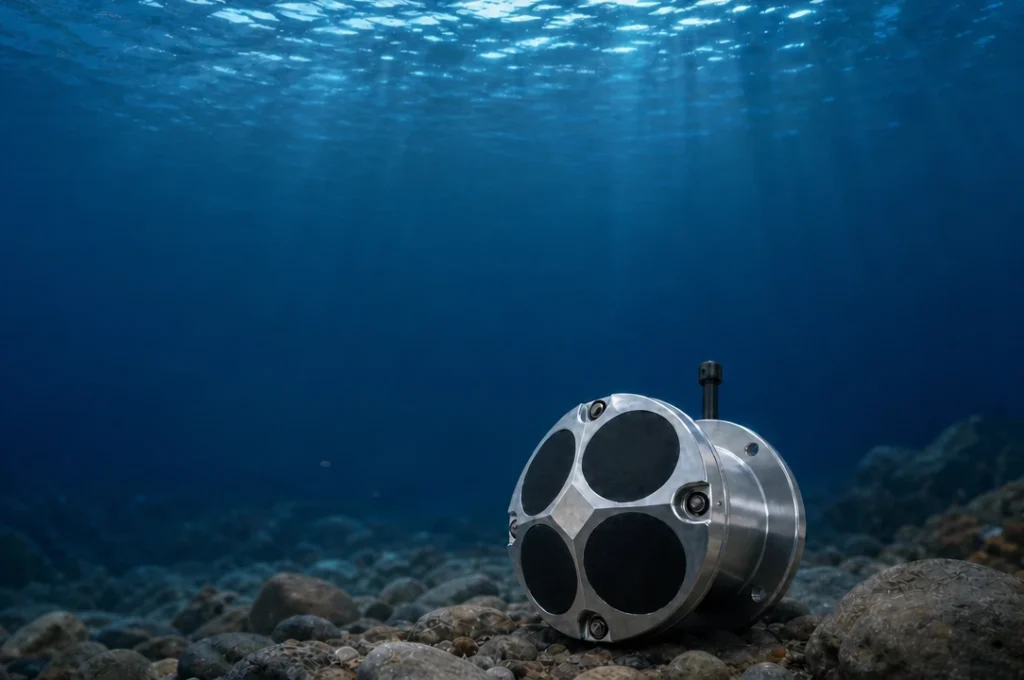
- Bottom-mounted ADCPs: Preferred for long-term monitoring.
- Buoy-mounted ADCPs: Suitable for surface observations.
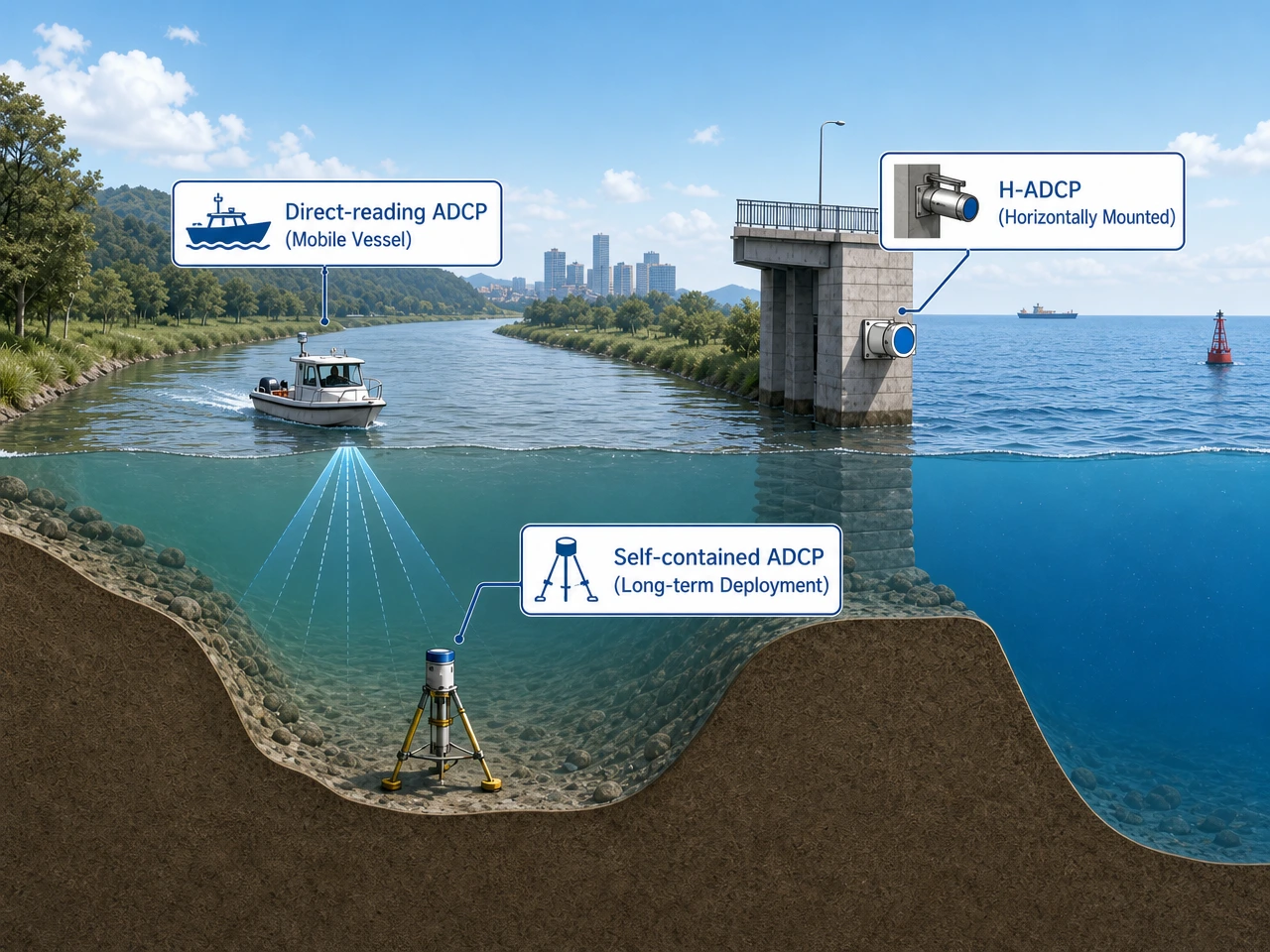
Deployment methods play a crucial role in the success of coastal studies. The choice depends on the project scope and environmental conditions. Each method offers distinct advantages and challenges. For example, vessel-mounted ADCPs provide real-time data, crucial for dynamic environments.
Alternatively, bottom-mounted ADCPs offer stability and durability. They endure harsh marine conditions and provide extended observation periods. This method is invaluable for projects focused on tidal and wave dynamics. Meanwhile, buoy-mounted systems are versatile and useful for tracking surface currents. These systems are often integrated with other sensors for comprehensive data collection. The versatility in deployment ensures that ADCPs remain indispensable in marine research.
Oceantek ADCP options
If you’re evaluating instruments for coastal studies, here’s an example of an ADCP option to compare alongside other hydrographic survey equipment:
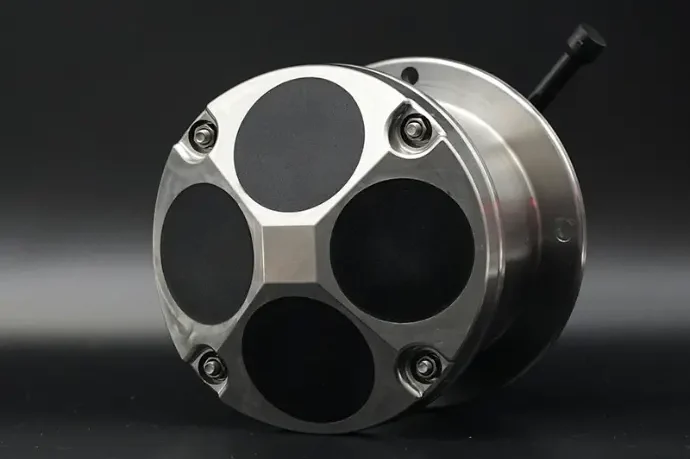
- Direct Reading ADCP — A direct-reading setup designed for current measurements in the field. See product details: Oceantek Direct Reading ADCP.
Key Applications in Coastal Studies
Acoustic Doppler Current Profilers (ADCPs) are indispensable in coastal research. They provide crucial data for understanding complex marine processes. These devices help decipher the dynamic nature of coastal environments.
ADCPs measure water current velocities with precision. This data is essential for assessing sediment transport and tidal flows. Such insights are vital for predicting coastal erosion and flooding. Researchers rely on these measurements to protect vulnerable coastlines.
Notable Applications:
- Sediment transport analysis
- Wave dynamics studies
- Tidal flow monitoring
- Habitat mapping and conservation
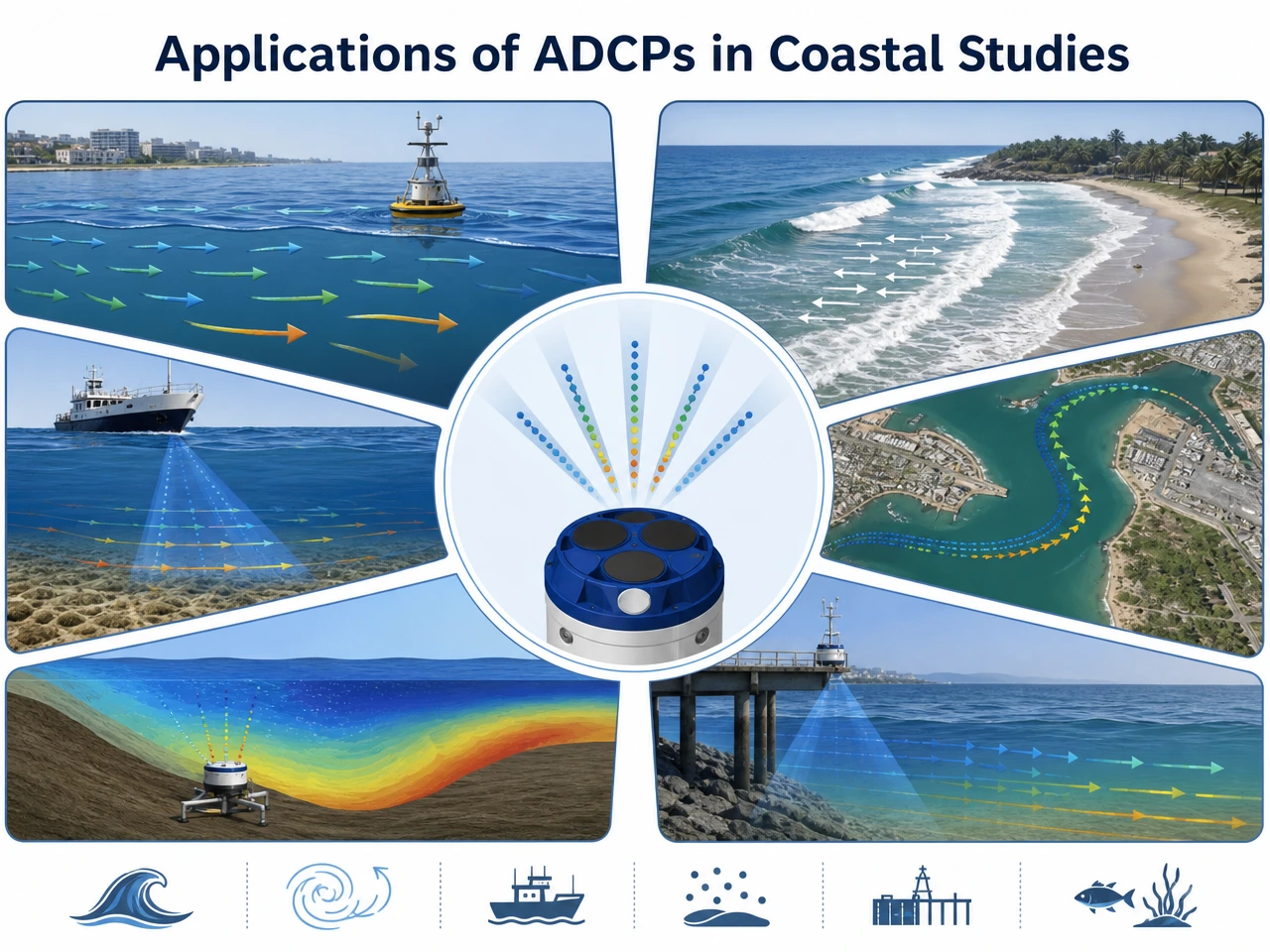
In recent years, ADCPs have played a pivotal role in renewable energy projects. By assessing potential sites for tidal and wave energy installations, they contribute to sustainable resource development. This application underscores the versatility of ADCPs in meeting diverse research needs. Furthermore, these devices are instrumental in climate studies, providing data on ocean circulation patterns. Such information is critical for understanding the broader implications of climate change on marine ecosystems. Through various applications, ADCPs have revolutionized coastal studies, offering new perspectives on marine science. They continue to drive innovations in understanding the ever-changing dynamics of coastal regions.
Role in Hydrographic Survey Equipment and Environmental Monitoring
Acoustic Doppler Current Profilers (ADCPs) are integral to modern hydrographic survey equipment. They provide high-resolution data crucial for precise mapping of underwater landscapes. This capability ensures accurate and efficient maritime navigation.
ADCPs also play a crucial role in environmental monitoring. They help track pollutants and assess their impact on marine ecosystems. This information is vital for implementing effective conservation strategies and mitigating environmental risks. By providing continuous data on ocean currents and water quality, ADCPs support sustainable marine resource management.
Key Roles of ADCPs in Environmental Monitoring:
- Pollution tracking
- Marine habitat assessment
- Sediment movement analysis

Beyond mapping, ADCPs are essential in studying marine biodiversity. They help in understanding habitat use and fish behavior. Thus, their data supports fisheries management and preserves biodiversity. Furthermore, ADCPs aid in studying estuarine dynamics and riverine systems, offering insights into river-ocean interactions. These insights are imperative for comprehensive coastal management, ensuring balanced development and environmental protection. ADCPs continue to be valuable assets, advancing both scientific research and practical applications in oceanography.
Advantages and Limitations of ADCP Technology
Acoustic Doppler Current Profilers offer numerous advantages for coastal studies and marine research. Their ability to provide continuous current measurements over large depth ranges makes them invaluable. This capacity aids in accurate data collection even in remote and challenging locations.
Advantages of ADCP Technology:
- Continuous data collection
- High-resolution measurements
- Operates in diverse environments
However, like any technology, ADCPs come with limitations. They can be costly to install and maintain, particularly in harsh marine conditions. Additionally, data interpretation requires expertise, potentially limiting usage by non-specialists.
Limitations of ADCP Technology:
- High installation costs
- Complex data analysis
- Sensitivity to environmental noise
Understanding these pros and cons is crucial for optimal use of ADCPs. While their benefits are significant, users must also recognize and address potential challenges. Proper training and strategic deployment can help mitigate limitations, maximizing the technology’s effectiveness in marine studies. This balance ensures that ADCPs remain a pivotal tool in advancing our understanding of aquatic systems.
Innovations and Future Trends in ADCPs
The field of acoustic Doppler current profilers is constantly evolving, driven by the need for more precise data. New innovations focus on enhancing sensor sensitivity and data processing capabilities. These improvements aim to extend the reach and accuracy of current measurements.
Recent trends also include integrating ADCPs with other technologies. This includes coupling with satellite systems and other oceanographic sensors. Such integrations provide comprehensive environmental assessments, increasing the data’s utility for diverse applications.
Emerging Trends in ADCP Technology:
- Improved sensor sensitivity
- Advanced data processing algorithms
- Integration with satellite technology
- Real-time data transmission
These advances promise to unlock new possibilities for coastal and oceanic research. As technology progresses, ADCPs are poised to play an even more central role in understanding and managing marine environments. Embracing these trends will facilitate the development of more resilient marine systems and infrastructure, crucial in the face of climate change.
Case Studies: Real-World Impact of ADCPs in Coastal Research
Acoustic Doppler current profilers (ADCPs) have revolutionized our understanding of marine environments. One prominent example is their use in monitoring sediment transport along coastal zones. Researchers employ ADCPs to track changes in sediment movement, which is vital for managing coastal erosion.
Another significant area is navigation safety. In busy harbors, ADCPs provide real-time current data, aiding in the safe passage of vessels. This information helps avoid accidents and ensures the efficient operation of ports.
Notable Case Study Applications:
- Sediment transport studies
- Navigation safety improvements
- Tidal energy assessments

ADCPs have also been instrumental in assessing potential sites for tidal and wave energy. By analyzing water movement patterns, scientists can identify optimal locations for renewable energy projects. These case studies highlight the transformative role of ADCPs in sustainable coastal management, impacting both research and industry.
Conclusion: The Future of Coastal Studies with ADCPs
The Acoustic Doppler Current Profiler represents a cornerstone technology in marine research. It offers unparalleled insights into coastal and oceanic processes. As technology advances, ADCPs will further integrate with other ocean monitoring tools. This synergy will enhance data accuracy and expand research possibilities.
The future holds tremendous potential. ADCPs will play a pivotal role in addressing critical challenges like climate change and resource management. Their ability to provide detailed current data is essential for both scientific inquiry and practical applications. Embracing ADCP technology in coastal studies will lead to more informed decisions. This will, in turn, promote sustainable development and conservation efforts.