Oceantek

How to Choose the Best Doppler Velocity Log (DVL) for Underwater Vessel

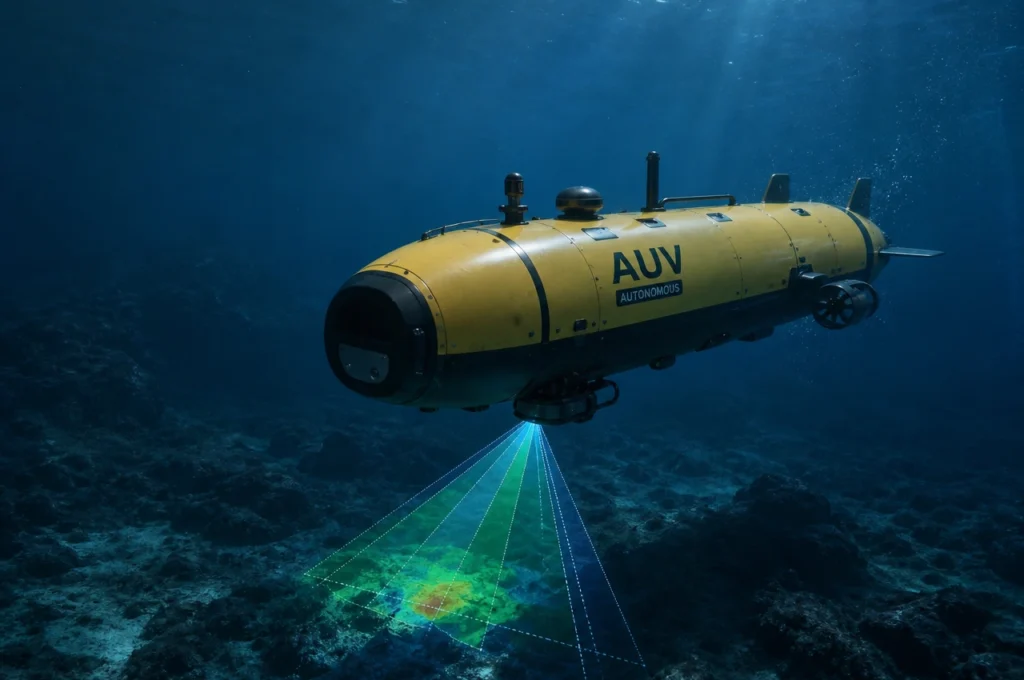
Navigating underwater is a complex task. It requires precise instruments to ensure accuracy and safety. One such instrument is the Doppler Velocity Log (DVL). DVLs are essential for underwater navigation. They measure a vessel’s speed relative to the seabed. This data is crucial for maintaining accurate positioning. The technology behind DVLs is fascinating. It uses the Doppler effect to calculate velocity. Sound waves are sent out and their frequency shift is measured upon reflection. DVLs are versatile. They work in various water conditions, from shallow to deep. This makes them indispensable for many underwater missions. Autonomous Underwater Vehicles (AUVs) rely […]

How to Choose the Best Doppler Velocity Log (DVL) for Underwater Vessel Read More »
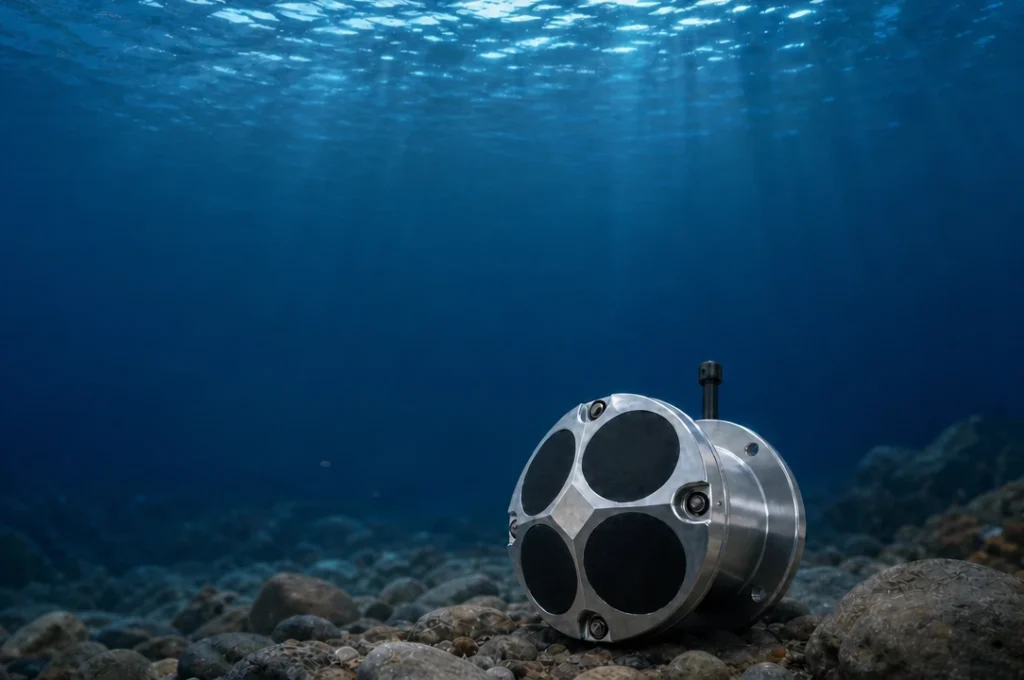
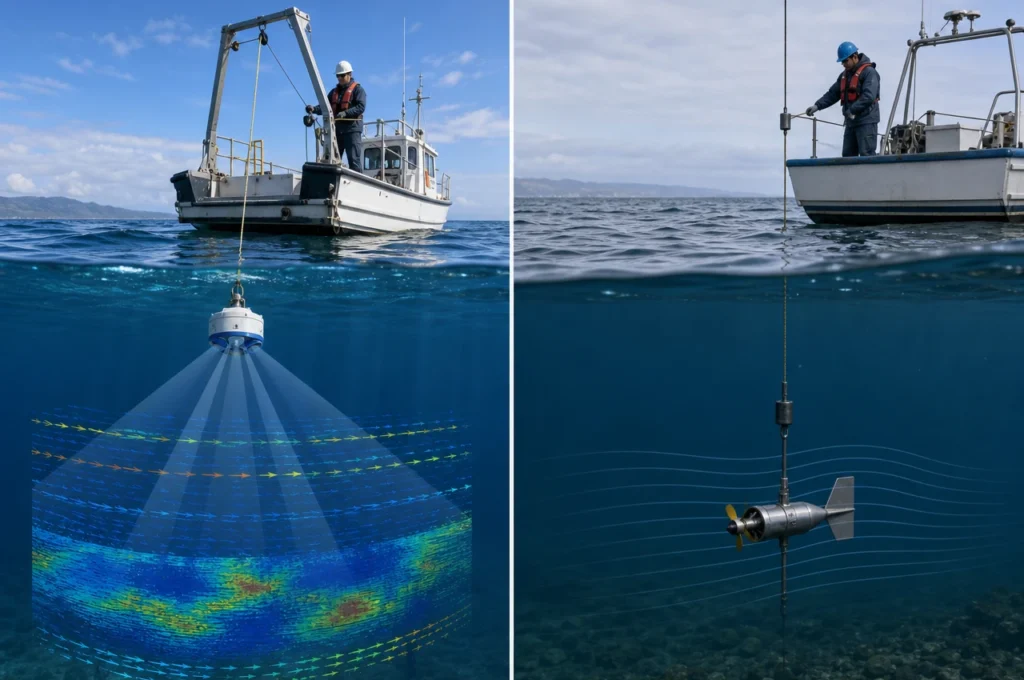
Key parameters to consider when choosing an ADCP – Oceantek ADCP-600 featured with acoustic beams profiling

Harnessing the Power of the Acoustic Doppler Current Profiler for Coastal Studies

The Acoustic Doppler Current Profiler (ADCP) is a game-changer in coastal studies. It measures water current velocities with precision. This technology uses the Doppler effect to track water movement. It provides crucial data for understanding oceanographic processes. ADCPs are versatile, deployed on the seabed, vessels, or fixed installations. They are integral to hydrographic survey equipment. These devices aid in mapping underwater environments and monitoring environmental changes. They are essential for assessing sediment transport and tidal flows. ADCPs support maritime navigation, renewable energy projects, and climate change research. They are vital tools for marine scientists and coastal engineers. Understanding the Acoustic

Harnessing the Power of the Acoustic Doppler Current Profiler for Coastal Studies Read More »

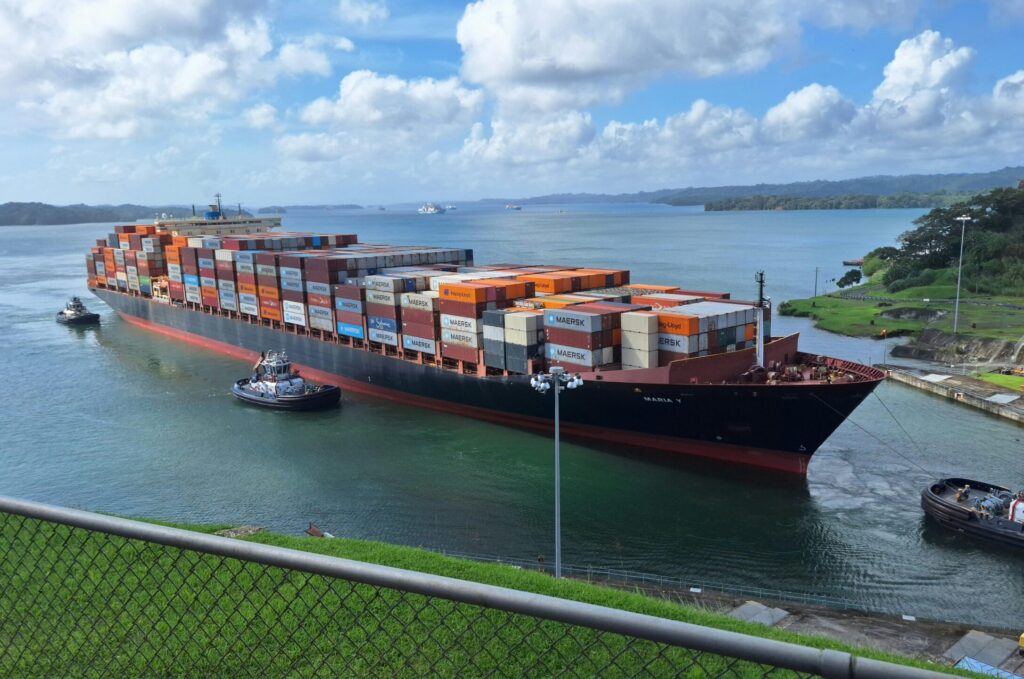
Large container ship maneuvered by tugboats through the Panama Canal

Optimizing Channel Maintenance & Dredging with the Oceantek ADCP-600K

Why Channel Maintenance & Dredging Needs Accurate Current Profiling Accurate current profiling is essential for channel maintenance and dredging projects, as it provides actionable data on water depth, flow velocity, and sediment transport. In complex waterways, real-time monitoring is critical to: The Oceantek ADCP-600-DR-FA4, with its direct-reading mode and high-resolution measurements, delivers flow accuracy of ±0.3% ±3mm/s and directional accuracy of ±2°, providing engineers with reliable data for informed decision-making. Key ADCP Applications in Channel Maintenance & Dredging The ADCP-600-DR-FA4 is versatile for multiple dredging and navigation applications: The device supports multi-layer measurements (1–255 layers) with unit thickness of 0.5–4

Optimizing Channel Maintenance & Dredging with the Oceantek ADCP-600K Read More »

Why Oceantek Leads in ADCP Technology?

Introduction: ADCP Technology and Its Importance Acoustic Doppler Current Profilers (ADCPs) are critical for measuring water currents, flow profiles, and sediment transport. Accurate ADCP data helps engineers, scientists, and policymakers in hydrology, oceanography, and environmental monitoring. Among global manufacturers, Oceantek stands out as an industry leader due to precision, innovation, and reliability. Precision and Reliability: What Sets Oceantek Apart Oceantek ADCPs are renowned for: According to the IAHR 2022 Hydrometry White Paper, accurate flow measurement is crucial for flood management, hydropower projects, and environmental studies. Innovation and Smart Monitoring Ocean leads the market with innovative ADCP solutions: Oceanographic Instrumentation Review

Why Oceantek Leads in ADCP Technology? Read More »

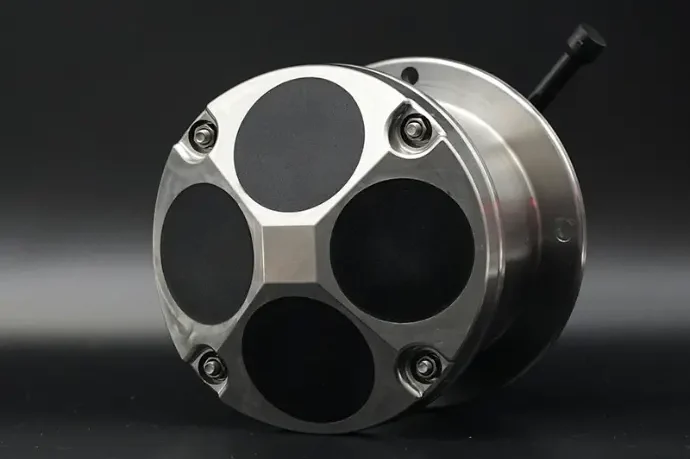
Oceantek DVL Product:DVL-DR-600-FA4

What Is a DVL? Difference Between DVL and ADCP

Introduction When an autonomous underwater vehicle (AUV) inspects a deep-sea pipeline without GPS, one sensor serves as its navigational lifeline: the Doppler Velocity Log (DVL). While those in oceanographic instrumentation may recognize its close cousin — the Acoustic Doppler Current Profiler (ADCP) — the distinction between the two often causes confusion among engineers and system integrators. The core distinction can be framed simply: A DVL is an ADCP optimized for navigation, not measurement. As Nortek explains, “Our Doppler Velocity Logs, or DVLs, use the same principles as ADCPs, but instead measure the speed of a subsea vehicle relative to the seafloor.” Although some industry voices

What Is a DVL? Difference Between DVL and ADCP Read More »

ADCP vs Traditional Current Meter

ADCP vs Traditional Current Meter: Which Is Better?

Introduction For decades, the mechanical current meter — the Price AA meter, propeller-type meter — was the undisputed workhorse of hydrological measurement. Hydrologists waded into rivers, lowered spinning impellers to precise depths, and built discharge measurements vertical by vertical. The method was reliable, standardized, and universally understood. Then came the Acoustic Doppler Current Profiler (ADCP) , and the rules changed fundamentally. Today, field hydrologists face a critical question: Should I invest in an ADCP, or does a traditional current meter still serve my project better? The answer depends on understanding what each instrument does differently. USGS research confirms that “in most cases, an ADCP discharge-measurement system

ADCP vs Traditional Current Meter: Which Is Better? Read More »

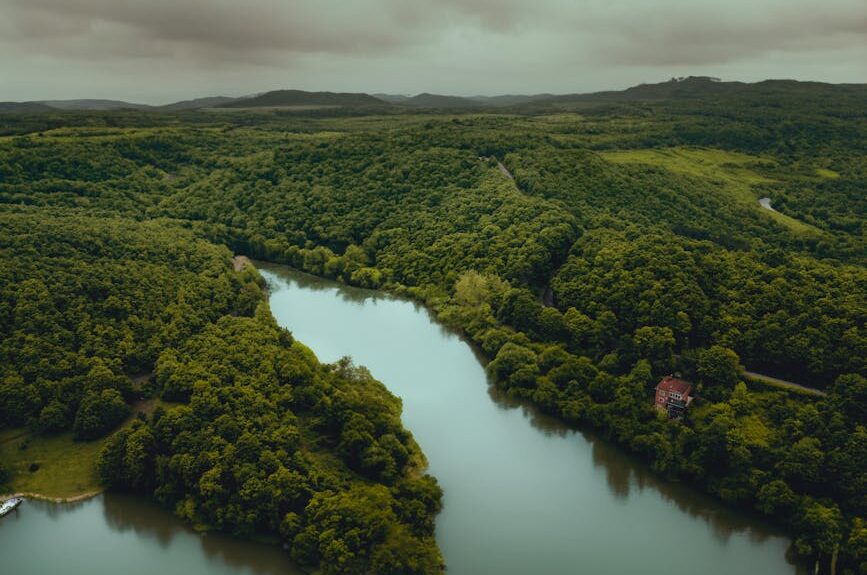
Aerial view of a river winding through lush forests near Istanbul, Türkiye.

ADCP Applications in River Discharge Measurement: Complete Guide for 2026

Introduction River discharge measurement is the cornerstone of water resource management. It informs decisions on flood warning, drought response, irrigation allocation, hydropower scheduling, and environmental compliance. Yet capturing accurate flow data from natural rivers—with their shifting beds, variable depths, and unpredictable debris—has challenged hydrologists for over a century. The introduction of Acoustic Doppler Current Profiler (ADCP) technology changed the rules. The U.S. Geological Survey (USGS) notes that ADCP-based discharge measurement methods are fundamentally different from traditional mechanical meter approaches. An ADCP profiles the entire water column in one pass, measuring dozens of depth cells simultaneously. A task that once required

ADCP Applications in River Discharge Measurement: Complete Guide for 2026 Read More »

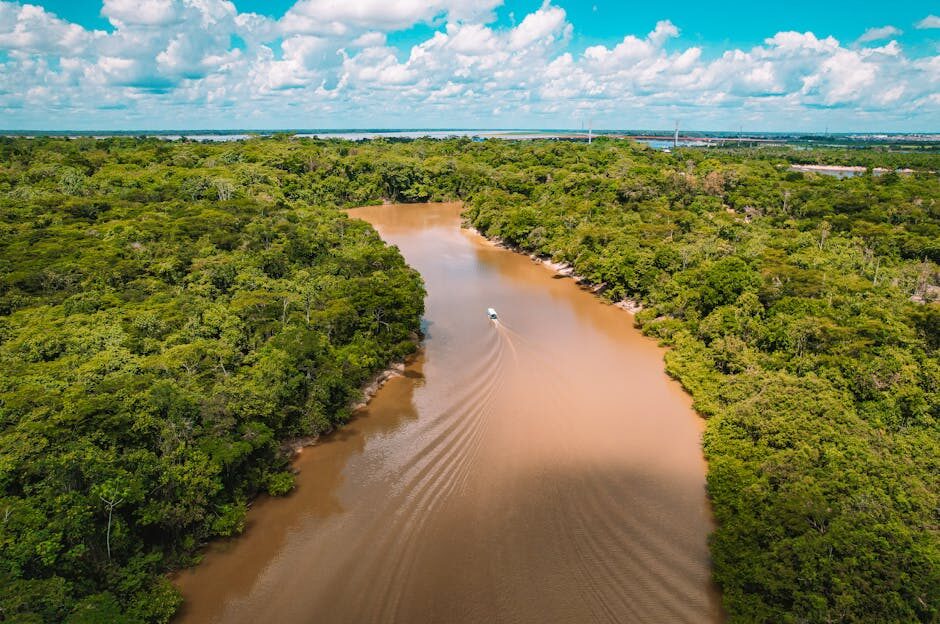
A scenic aerial shot of a boat navigating through the muddy Amazon River surrounded by lush rainforest.

How to Measure Amazon River Flow Using Oceantek Direct-Reading ADCP

Introduction The Amazon River is simultaneously the most important river on Earth to measure—and one of the most difficult. With an average discharge of approximately 209,000 cubic meters per second and peak floods exceeding 340,000 m³/s, the Amazon shapes the climate, ecology, and economies of eight nations. In October 2024, the Rio Negro dropped to just 12.66 meters—well below its usual 21 meters—halting navigation and underscoring the urgent need for reliable flow data. The measurement challenges are immense: the river can rise 10 meters during annual floods, carries massive floating debris, and flows over a mobile sandy bed that biases traditional instruments. According

How to Measure Amazon River Flow Using Oceantek Direct-Reading ADCP Read More »

Key parameters to consider when choosing an ADCP – Oceantek ADCP-600 featured with acoustic beams profiling

Which Key Parameters Need to Be Considered When Selecting an ADCP?

Introduction Acoustic Doppler Current Profilers (ADCPs) are the backbone of modern hydrological measurement. Whether you‘re monitoring river discharge, mapping coastal currents, or assessing water resources for environmental impact studies, the ADCP you choose will directly determine the quality and reliability of your data. Yet with a growing array of products flooding the market — each boasting different specifications, frequencies, and feature sets — making an informed selection can feel overwhelming. At Oceantek, we’ve spent years helping hydrologists, oceanographers, and environmental engineers match the right instrument to their unique project requirements. Through that experience, we‘ve identified five key parameters that consistently

Which Key Parameters Need to Be Considered When Selecting an ADCP? Read More »

Scroll to Top