Executive summary
ISO 748:2021 is the international standard for velocity-area discharge measurement in open channels. Published in November 2021 as the fifth edition and developed by ISO/TC 113, it defines how to select a gauging section, measure the cross-section, measure velocities at defined points, and compute discharge. It is the reference for conventional current-meter gauging worldwide — and it sits alongside ISO 24578:2021 for ADCP users.
Contents
What is ISO 748:2021?
ISO 748:2021 — Hydrometry — Measurement of liquid flow in open channels — Velocity area methods using point velocity measurements — is the international standard for measuring discharge in rivers and open channels with point velocity instruments.
Published in November 2021 as the fifth edition, it is prepared by ISO/TC 113, Hydrometry, the same committee behind ISO 24578 and the wider hydrometric standards family. The standard is the modern successor of a lineage that has guided current-meter gauging for decades, and it remains the reference method most national hydrological services are trained on.
You can view or purchase the official text from the ISO catalogue page for ISO 748:2021.
Why ISO 748 matters
Before ADCPs became common, and in countless gauging programmes today, river discharge is measured with the velocity-area method:
- pick a suitable section;
- measure the cross-section (width and depth);
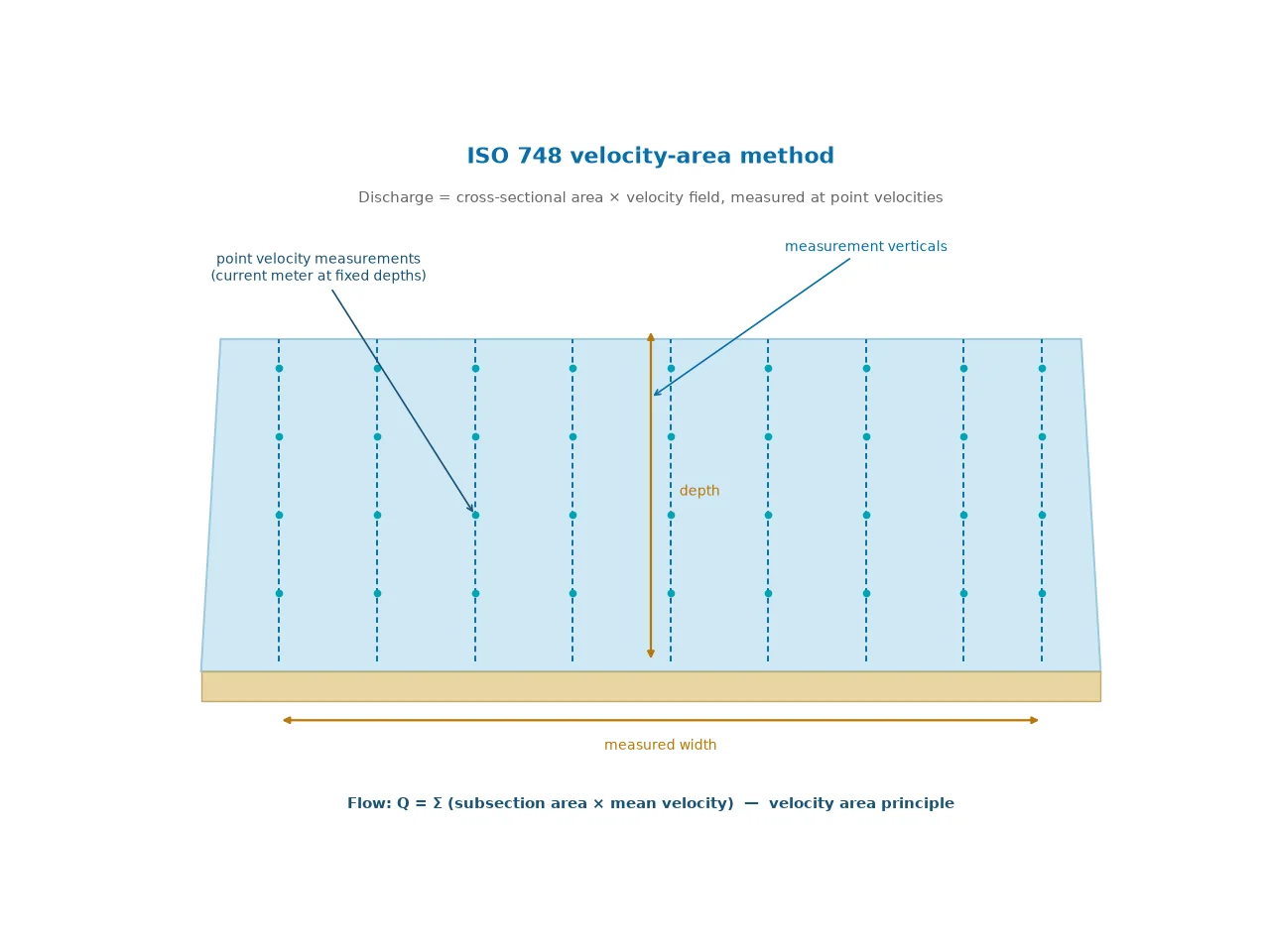
- measure water velocity at defined points across the section;
- combine area and velocity to compute discharge.
ISO 748 makes that process rigorous and repeatable. It matters because:
- tenders for hydrological surveys routinely cite ISO 748 or its national equivalents;
- discharge data from different teams, seasons and countries must be comparable;
- the standard’s uncertainty framework (clause 9) tells you how much to trust a number.
It is also the conceptual foundation that ADCP moving-boat work builds on — see our overview of river discharge measurement standards.
The standard at a glance
| Chapter | What it covers |
|---|---|
| 1–3 | Scope, normative references, terms & definitions |
| 4 | Principle of the velocity-area method |
| 5 | Site selection and demarcation of the gauging section |
| 6 | Measurement of cross-sectional area — width and depth |
| 7 | Measurement of mean velocity — point velocity methods and surface velocity methods (non-contact systems, floats) |
| 8 | Computation of discharge — mean-section and mid-section arithmetic methods |
| 9 | Uncertainty in flow measurement — current-meter and float methods, IVE and Q+ |
| Annex A | Use of point velocity current meters |
| Annex B | Surface velocity measurement using floats |
| Annex C | Example surface velocity systems |
| Annex D | Uncertainties in the velocity-area measurement |
| Annex E | Velocity measurement under ice conditions |
| Annex F | Corrections for wetted length of wire when measuring depths |
How the method works
The principle is simple to state: discharge equals the integral of velocity over the cross-sectional area. In practice, the section is divided into verticals, velocities are sampled at defined points in each vertical, and the results are summed by arithmetic methods (clause 8).
Measuring the cross-section
Chapter 6 covers the geometry half of the method:
- Width (6.2) — the distance between wetted banks at the water surface, measured by tape, stadia, or electronic methods.
- Depth (6.3) — measured at each vertical with a sounding rod, wading rod, or cable-suspended weight, with corrections for wire angle (Annex F).
The number and spacing of verticals matter: too few verticals miss the shape of the bed and the velocity field; too many add effort without much accuracy gain. The standard’s guidance balances the two.
Measuring velocity
Chapter 7 is the heart of the standard. Two families of methods are covered:
Point velocity methods (7.1)
- a current meter is positioned at defined depths in each vertical;
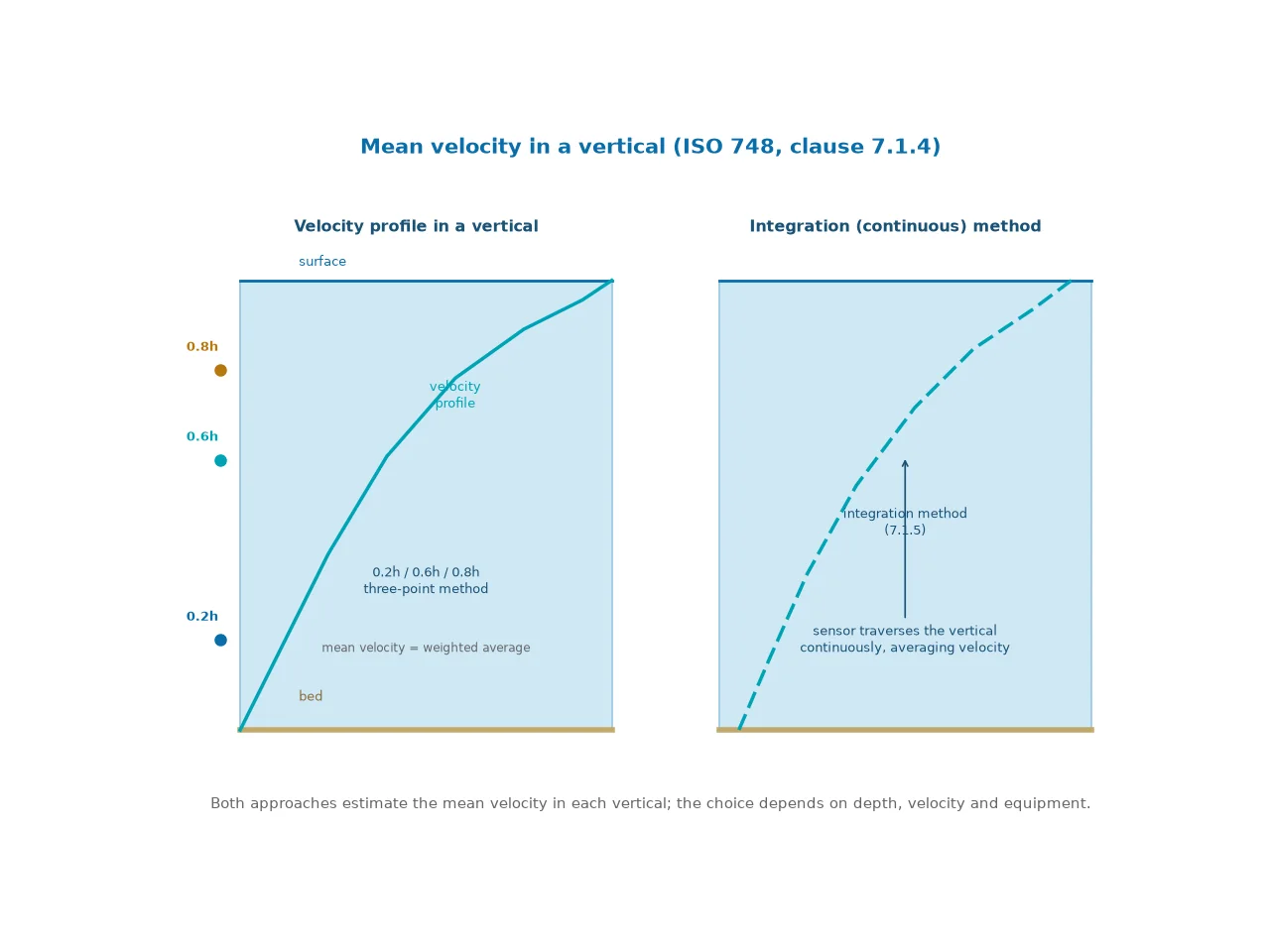
- the mean velocity in a vertical (7.1.4) is estimated from those point values — for example the classic 0.2h/0.6h/0.8h three-point method, or a single 0.6h point in shallow water;
- the integration method (7.1.5) moves the meter smoothly through the water column to average the velocity directly;
- clause 7.1.6 documents errors and limitations, including oblique flow.
Surface velocity methods (7.2)
The 2021 edition explicitly includes methods based on surface velocity:
- non-contact systems (7.2.2) — such as radar or image-based surface velocity measurement;
- the surface one-point method with a current meter (7.2.3);
- floats (7.2.4), detailed further in Annex B;
- exceptions and the main sources of error (7.2.5, 7.2.6).
Surface methods are useful where wading is unsafe or access is difficult, but they rely on converting surface velocity to mean velocity — an extra source of uncertainty the standard asks you to quantify.
Computing discharge
Chapter 8 turns the field measurements into a discharge number. The arithmetic methods include:
- the mean-section method — a rectangle of mean depth and mean velocity is associated with each vertical;
- the mid-section method — the section is divided into rectangles between vertical midpoints;
- the independent vertical method (8.2) and mean-section by horizontal planes (8.3) for special cases.
Uncertainty
Chapter 9 explains how to evaluate the uncertainty of a discharge measurement — essential for regulated work and for comparing data across programmes:
- methods for current-meter measurements (9.2) and float measurements (9.3), with their contributory uncertainties;
- limitations of the estimates (9.4);
- the interpolated variance estimator (IVE) (9.5) and Q+ (9.6), advanced tools for estimating variance from the measurements themselves.
For teams working to ISO 25377 (HUG), ISO 748’s uncertainty chapter provides the method-specific inputs.
Special conditions
Two annexes are worth knowing before you head to the field:
- Annex E — velocity measurement under ice conditions: how to adapt verticals and point methods when the channel is ice-covered, relevant to winter programmes.
- Annex F — wetted length of wire corrections: depth measured by a cable-suspended weight must be corrected when the wire is not normal to the surface.
ISO 748 vs ISO 24578 vs surface-velocity methods
| Approach | Reference | Typical instruments | Best for |
|---|---|---|---|
| Velocity-area (point) | ISO 748:2021 (7.1) | Current meters (Price, Amsler, propeller) | Wading, bridge and cableway gauging |
| Surface velocity | ISO 748:2021 (7.2) | Radar, image-based systems, floats | High flows, unsafe access, remote sites |
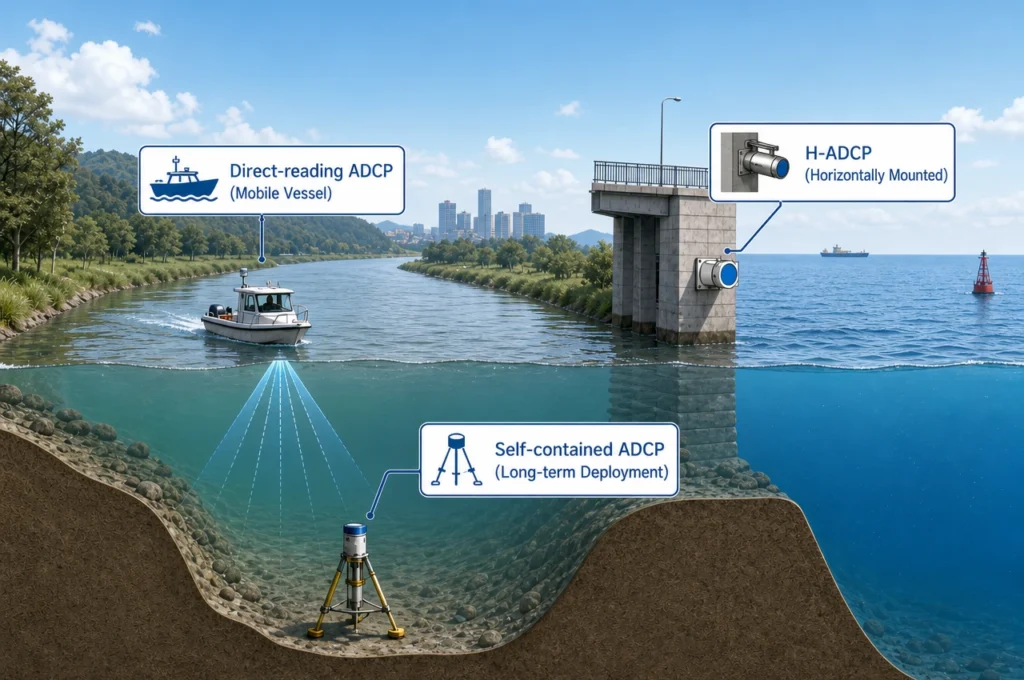
| Moving-boat ADCP | ISO 24578:2021 | Boat-mounted ADCP | Large rivers, full velocity profiling |
The approaches are complementary. Many agencies keep ISO 748 current-meter gauging for established stations and add ISO 24578 ADCP surveys where boats make profiling practical.
Working to ISO 748: a practical checklist
| Phase | Key actions |
|---|---|
| Before field work | Select the section against Chapter 5 criteria; demarcate the gauging section; calibrate the current meter; plan vertical spacing and point depths. |
| In the field | Measure width and depth at each vertical (Ch. 6); measure point velocities per 7.1 (or surface methods per 7.2); record oblique flow and unusual conditions. |
| After field work | Compute discharge by mean-section or mid-section (Ch. 8); evaluate uncertainty per Chapter 9 and Annex D; document the results for audit. |
What this means for equipment
ISO 748 describes a method, not a product certification. A current meter is not “ISO 748 certified” — compliance comes from following the procedures with properly maintained instruments. What equipment suppliers can do is build instruments that make compliant measurements practical.
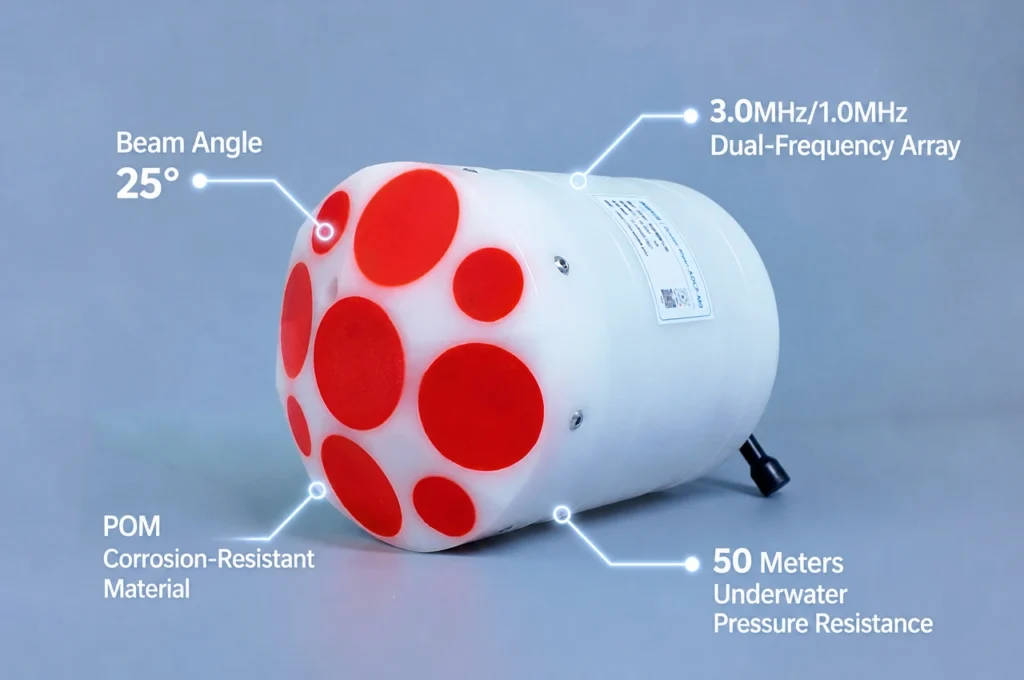
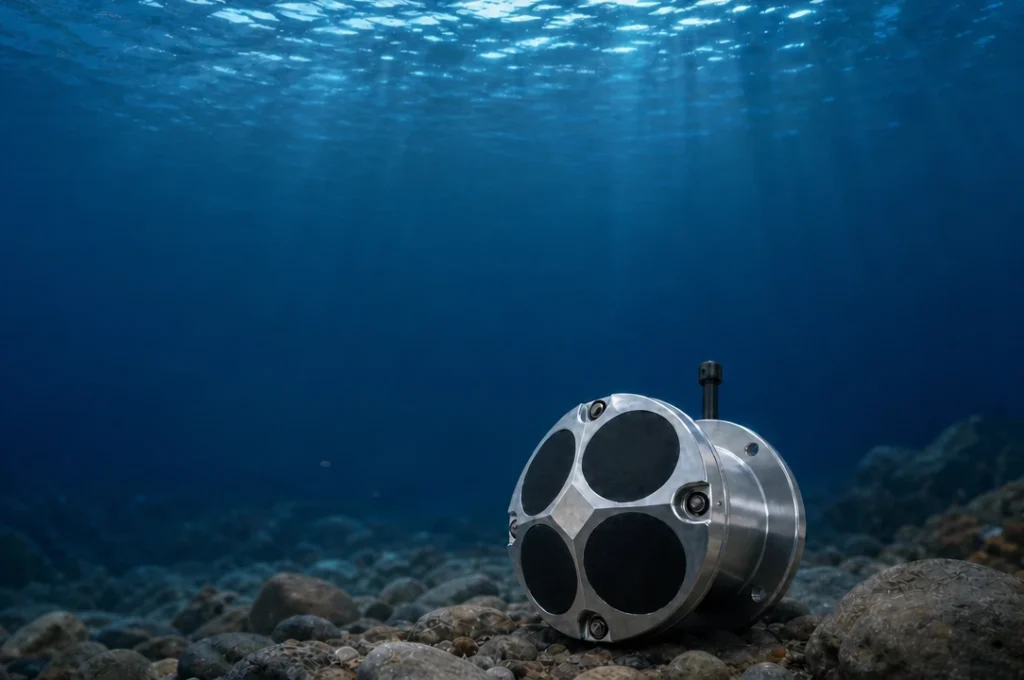
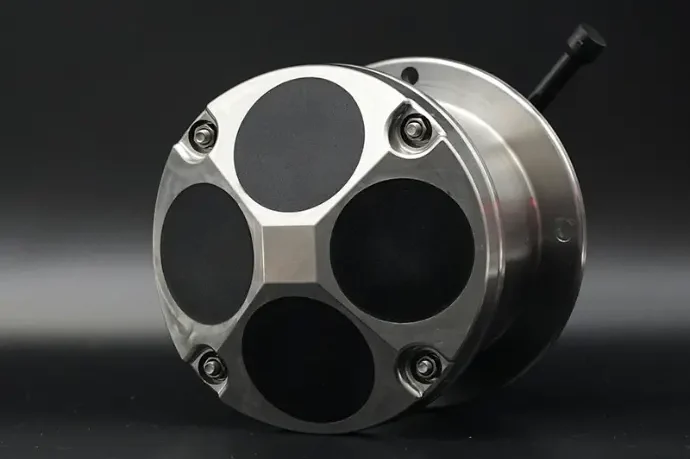
At Oceantek we focus on the ADCP side of the velocity-area family: our River ADCP M9 and HADCP-600 are designed for standard-based river discharge work under ISO 24578, while ISO 748 remains the reference for conventional current-meter gauging. We also publish practical guides such as water flow measurement to help teams choose the right method.
FAQ
What is ISO 748:2021?
It is the international standard Hydrometry — Measurement of liquid flow in open channels — Velocity area methods using point velocity measurements, fifth edition, published November 2021 by ISO/TC 113.
Does ISO 748 cover ADCPs?
No. ADCP moving-boat discharge measurement is covered by the separate standard ISO 24578:2021. ISO 748 covers velocity-area methods using point velocity measurements, typically with current meters.
What velocity measurement methods does ISO 748 describe?
Point velocity methods (clause 7.1), including the integration method, and surface velocity methods (clause 7.2) using non-contact systems, surface one-point current-meter measurements and floats.
How is discharge computed in ISO 748?
Using the arithmetic methods of clause 8: the mean-section method and the mid-section method, plus the independent vertical method for special cases.
What is the difference between ISO 748 and ISO 24578?
ISO 748 uses point velocity measurements (current meters); ISO 24578 covers moving-boat ADCP surveys that profile the full velocity field. The two are complementary — see our ISO 24578 guide.
This guide is provided for general information and does not replace the official standard, which you should obtain from ISO and follow for any regulated or contractual measurement work.
© 2026 Ocean (Hangzhou) Technology Co., Ltd. Last updated: September 1, 2026.