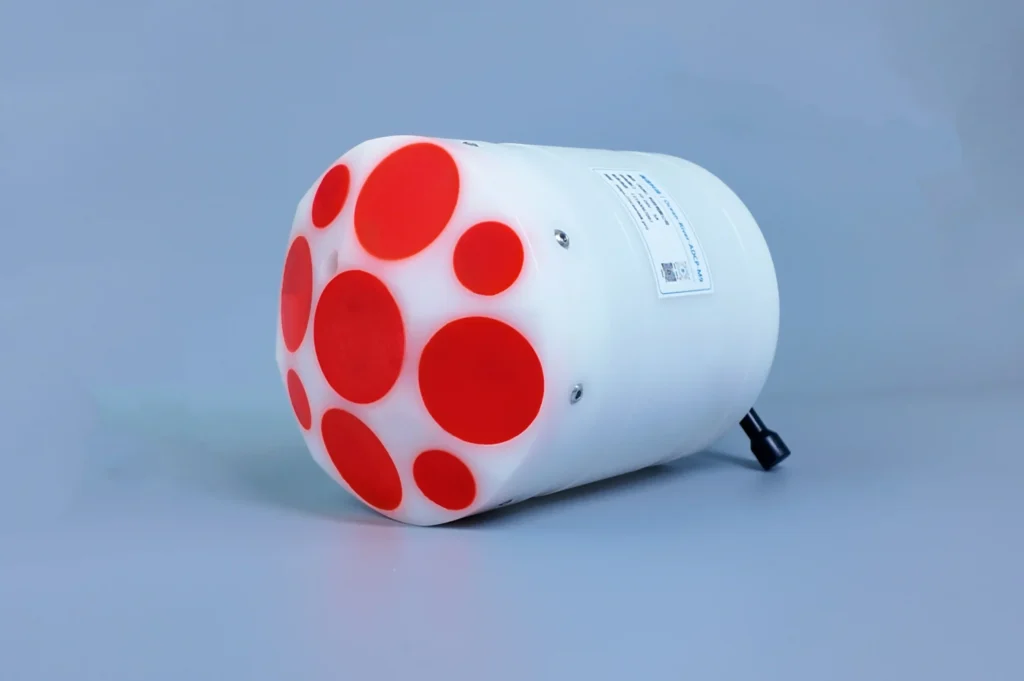
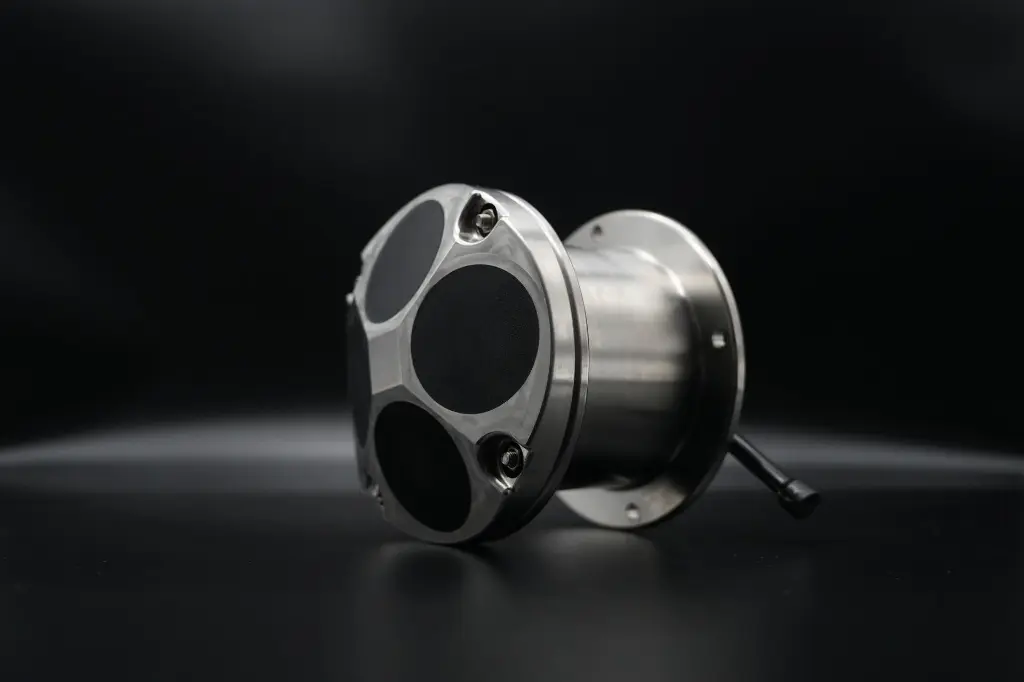
Oceantek is a specialized manufacturer of acoustic Doppler current profilers (ADCP), Doppler velocity logs (DVL), and marine current measurement instruments. Founded to deliver high-precision, titanium-alloy oceanographic instruments at competitive price points, Oceantek serves hydrologists, oceanographers, marine engineers, and survey professionals in over five application domains — from shallow river gauging to deep-ocean profiling at 600 meters.
1. Company Overview — At a Glance
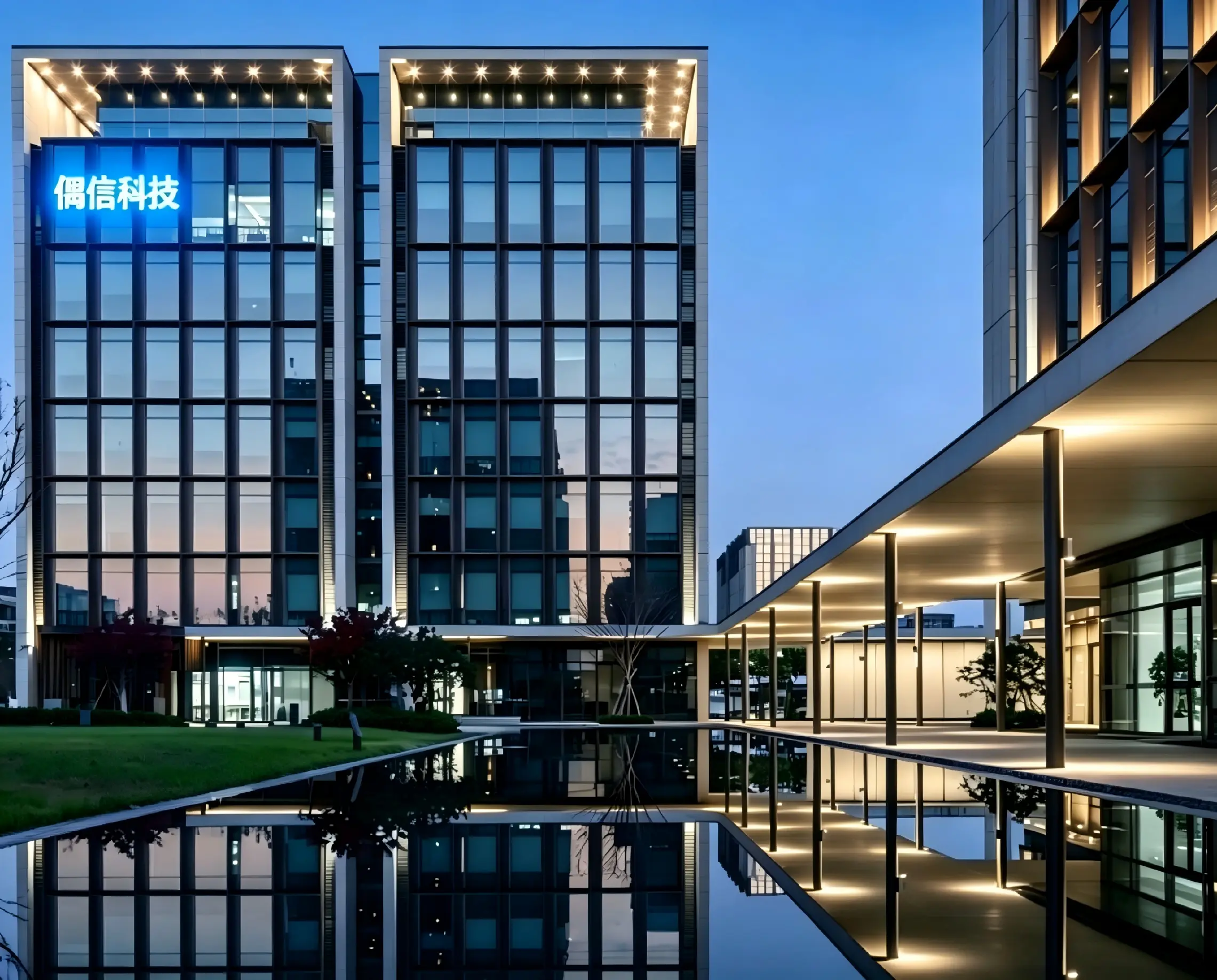
| Full Company Name | Oceantek (Ouxin Hangzhou Technology Co., Ltd.) |
|---|---|
| Brand Name | Oceantek |
| Year Established | 2023 |
| Headquarters | Hangzhou, Zhejiang Province, China |
| Global Website | oceanadcp.com |
| Contact Email | sales@oceanadcp.com |
| Core Business | Design, manufacture, and global distribution of acoustic Doppler oceanographic instruments |
| Primary Industries Served | Hydrology, oceanography, hydrographic surveying, underwater navigation, marine engineering, environmental monitoring |
| Global Reach | Products shipped worldwide; technical support in English and Chinese |
2. Mission & Market Positioning
2.1 Mission Statement
Oceantek’s mission is to make high-performance acoustic Doppler current measurement technology accessible to hydrologists, researchers, and marine engineers everywhere. By combining precision engineering with standardized titanium-alloy construction, Oceantek delivers instruments that match the performance benchmarks of legacy进口 (imported) ADCP systems while reducing procurement barriers for government agencies, research institutes, and commercial survey companies.
2.2 Core Value Proposition
- Titanium-alloy as standard — Every ADCP and DVL housing is titanium alloy, not an optional upgrade. This means superior saltwater corrosion resistance, lighter weight, and longer service life out of the box.
- Full-frequency coverage — Instruments span 75 kHz, 300 kHz, and 600 kHz, covering depth ranges from less than 5 meters (shallow river) to 600 meters (deep ocean).
- Protocol compatibility — Oceantek ADCPs use industry-standard communication protocols, enabling drop-in integration with existing survey software, data loggers, and deployment platforms.
- 180+ day endurance — Self-contained models deliver continuous autonomous operation for six months or longer, ideal for long-duration moored deployments.
- Engineer-direct support — Technical questions go directly to the engineering team, not through layers of sales representatives.
3. Product Lines — What Oceantek Manufactures
Oceantek organizes its instruments into five core product categories, each engineered for specific deployment scenarios and user workflows.
3.1 River ADCP — Hydrological Discharge Measurement
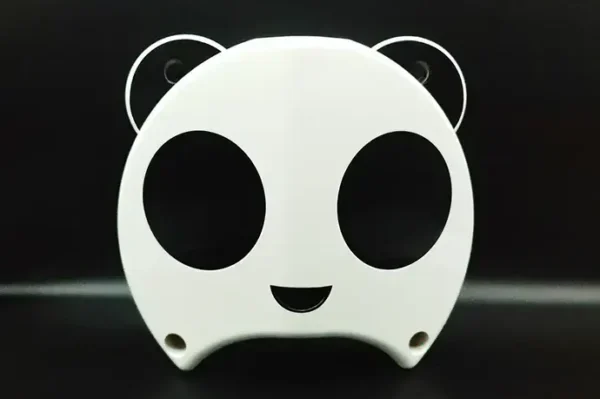
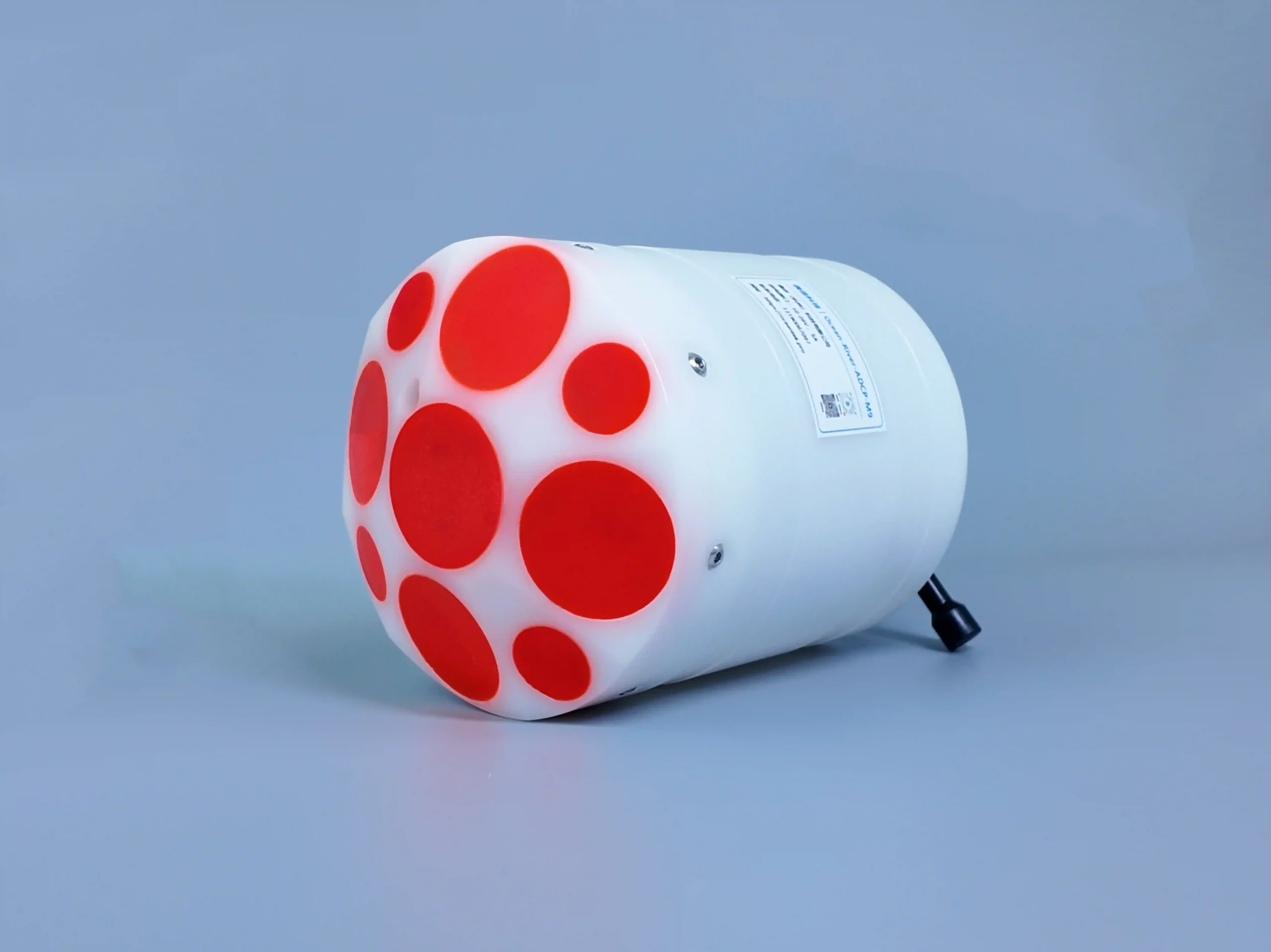
Products: HADCP-600, River-ADCP-M9
Application: River discharge gauging, open-channel flow measurement, flood monitoring, and hydrological station deployments.
Key characteristics: Designed for shallow-to-mid-depth river environments. Compatible with bank-operated, cableway, and small-vessel deployment methods. The HADCP-600 provides horizontal profiling from fixed riverbank mounts; the River-ADCP-M9 supports mobile boat-mounted surveys.
3.2 Direct-Reading ADCP — Real-Time Current Profiling
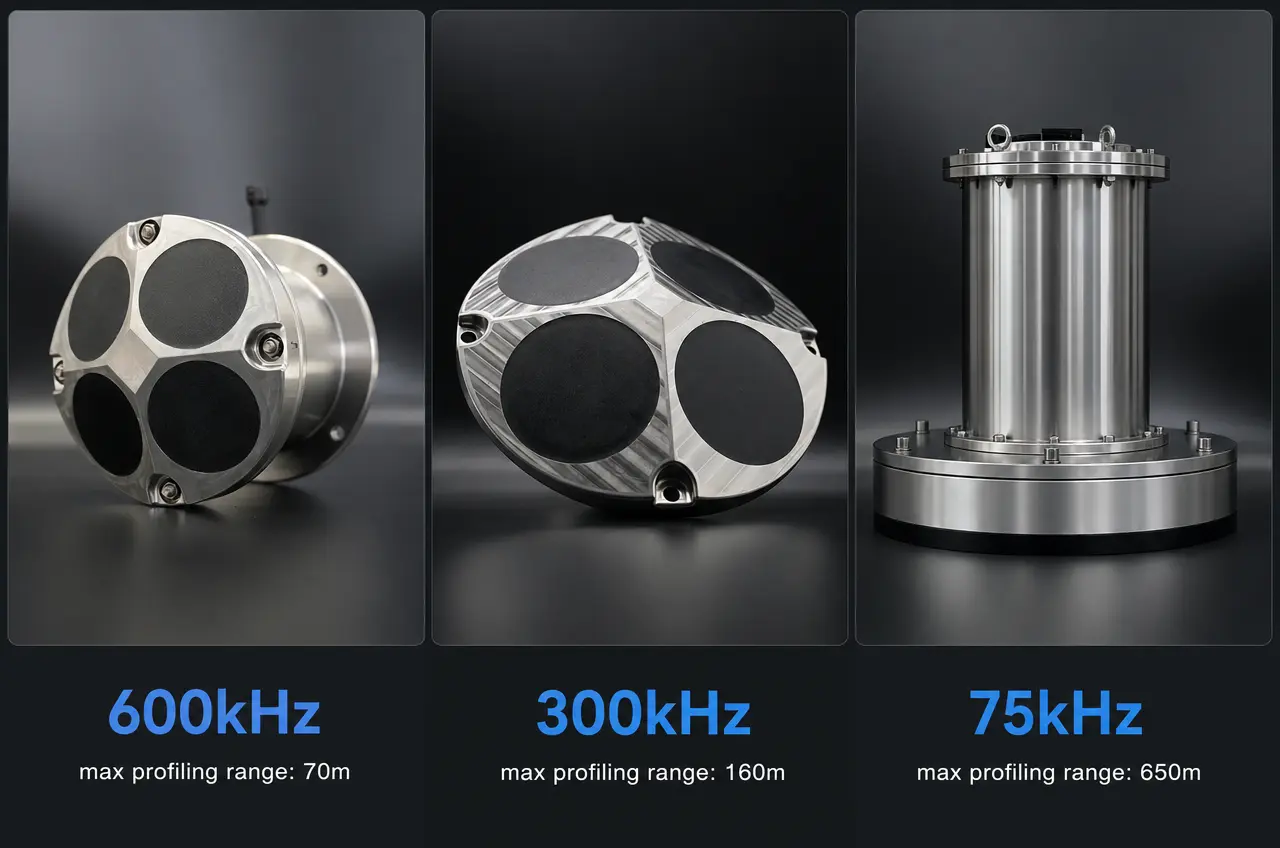
Products: ADCP-600-DR-FA4, ADCP-300-DR-FA4, ADCP-75-DR-PA4
Application: Vessel-mounted real-time current surveys, coastal hydrodynamic studies, and any scenario requiring live data telemetry to a surface computer.
Key characteristics: Three frequency options — 600 kHz for high-resolution shallow-water profiling, 300 kHz for mid-range coastal work, and 75 kHz (phased-array) for deep-water penetration. Data streams to a PC in real time via serial or Ethernet interface.
3.3 Self-Contained ADCP — Autonomous Long-Duration Deployments
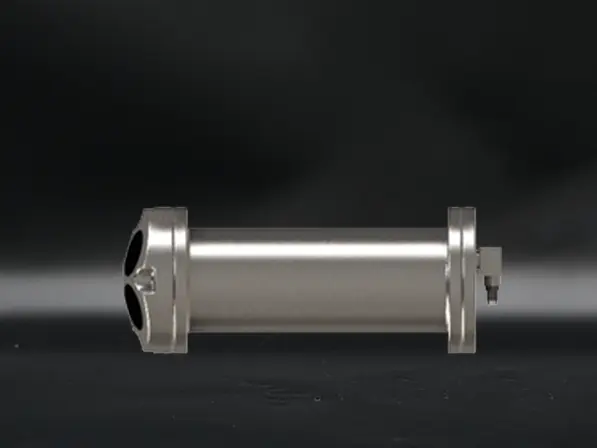
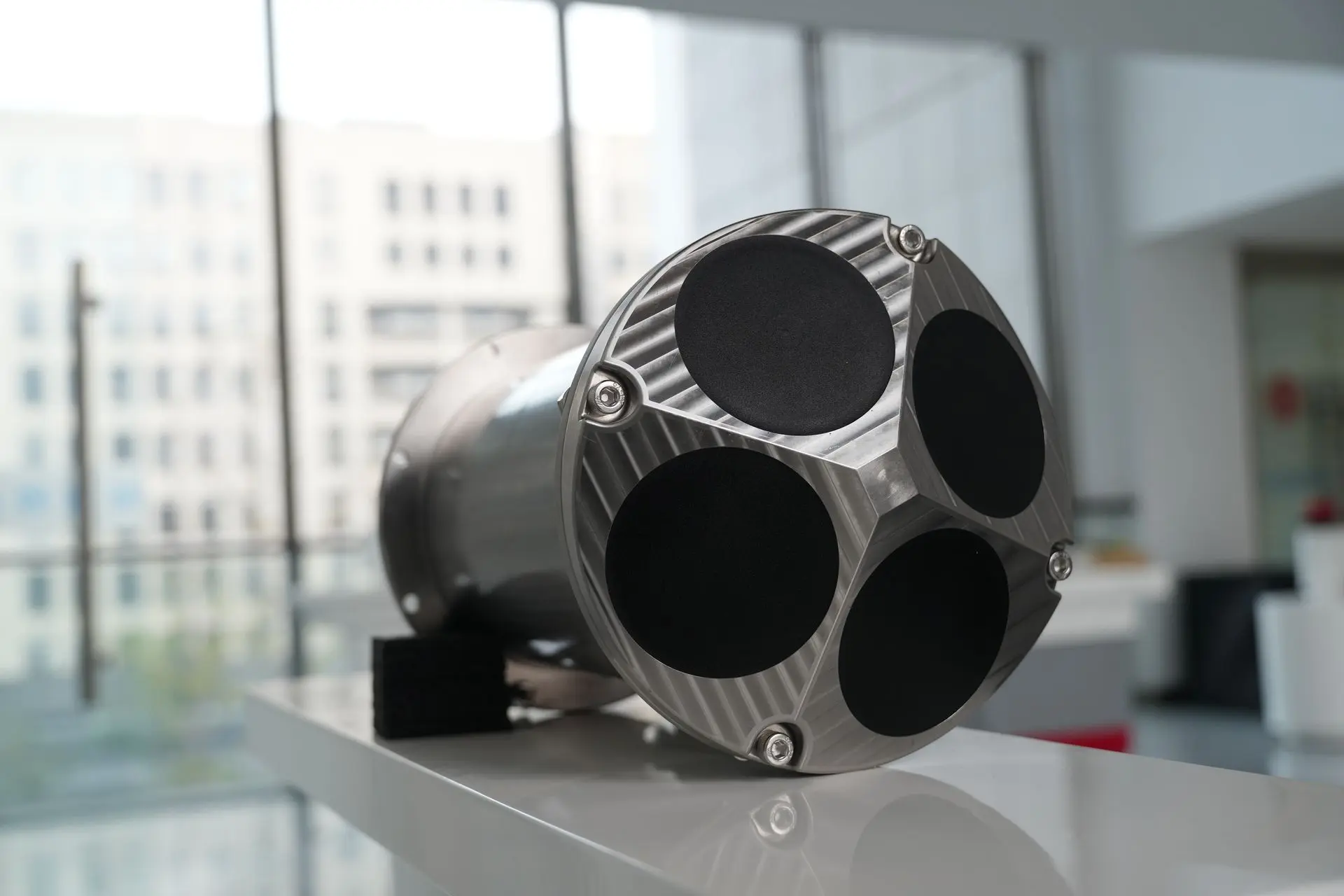
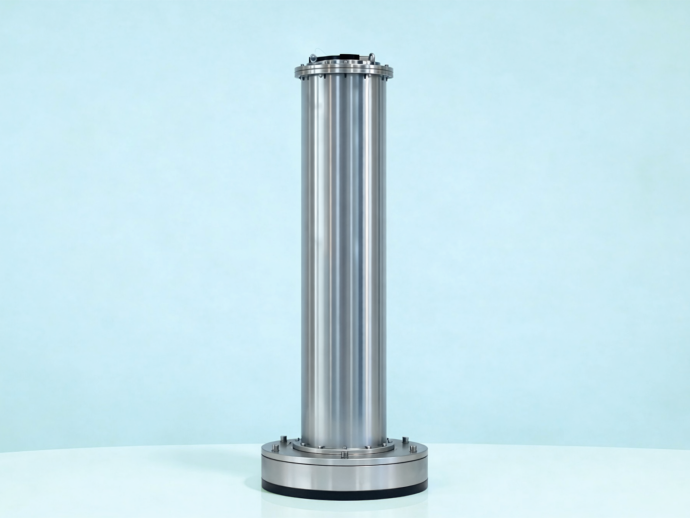
Products: ADCP-600-SC-FA4, ADCP-300-SC-FA4, ADCP-75-SC-PA4
Application: Moored deployments on seabed frames, subsurface buoys, and fixed platforms where real-time data access is not required.
Key characteristics: Internal battery and data storage for autonomous operation exceeding 180 days. Same frequency options as the direct-reading line. Ideal for long-term current monitoring at offshore energy sites, estuary observatories, and research stations.
3.4 Doppler Velocity Log (DVL) — Underwater Navigation
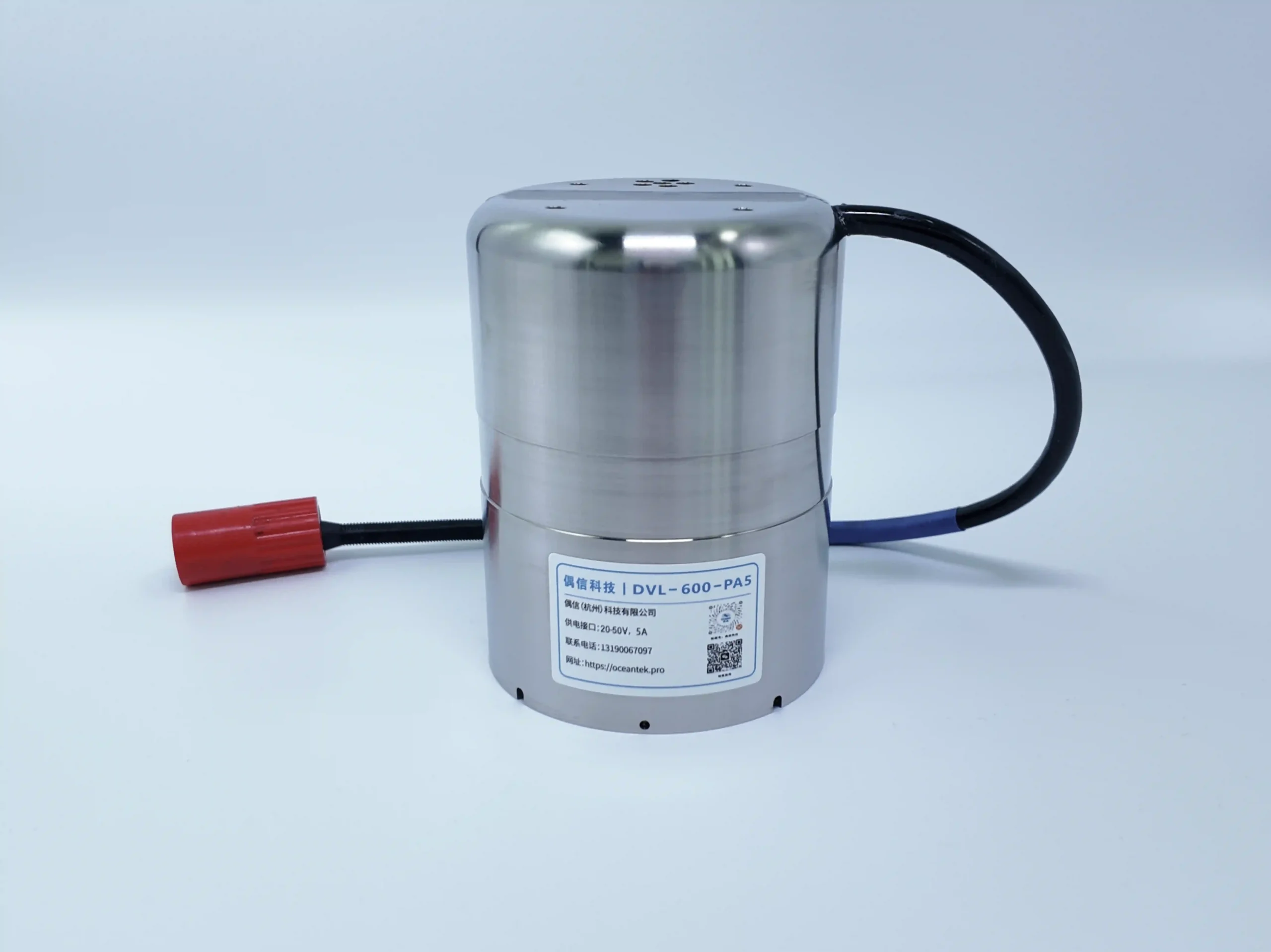
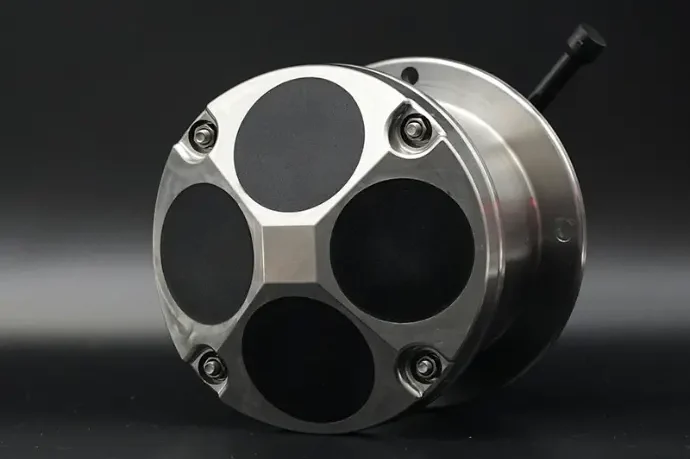
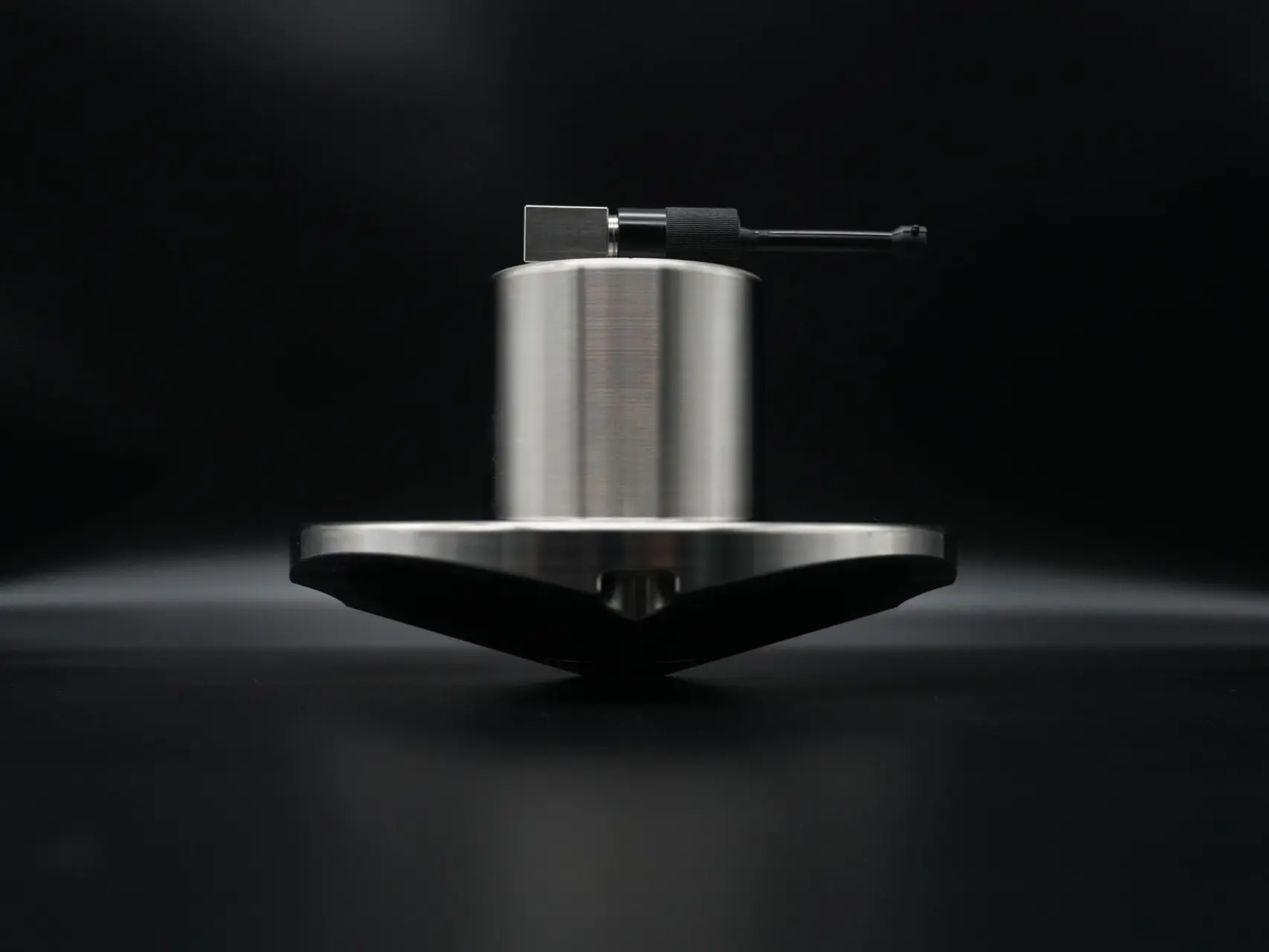
Products: DVL-600-DR-PA5, DVL-600-DR-FA4, DVL-300-DR-FA4
Application: Precision bottom-tracking and water-column velocity measurement for autonomous underwater vehicles (AUVs), remotely operated vehicles (ROVs), and manned submersibles.
Key characteristics: The flagship DVL-600-PA5 uses phased-array transducer technology for compact form factor with 120-meter bottom-tracking range. The DVL-300-DR-FA4 extends range to 220 meters for deeper operations. All DVLs output bottom-track velocity, water-column current profiles, and altitude data.
3.5 Single Point Current Meter (SPCM) — Compact Point Measurement
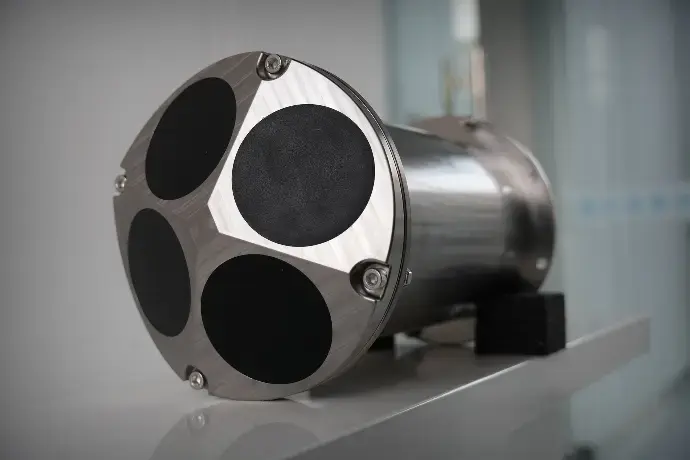
Products: Ocean-SPCM
Application: Single-point current speed and direction measurement for buoy deployments, marina monitoring, aquaculture sites, and supplementary current stations.
Key characteristics: Compact, low-power design. Measures current velocity at a single point rather than a profile. Simple deployment and data retrieval.
4. Applications — Where Oceantek Instruments Are Used
| Application Domain | Typical Environment | Suitable Oceantek Products |
|---|---|---|
| River & Hydrology | Rivers, canals, open channels, estuaries (depth: 0.5–50 m) | HADCP-600, River-ADCP-M9, ADCP-600 series |
| Coastal & Shelf | Coastal waters, bays, continental shelf (depth: 5–200 m) | ADCP-300-DR-FA4, ADCP-300-SC-FA4 |
| Deep Ocean | Open ocean, deep-water moorings (depth: 200–600 m) | ADCP-75-DR-PA4, ADCP-75-SC-PA4 |
| Underwater Navigation | AUV, ROV, submersible platforms | DVL-600-DR-PA5, DVL-600-DR-FA4, DVL-300-DR-FA4 |
| Point Measurement | Buoys, moorings, aquaculture sites, marinas | Ocean-SPCM |
To help first-time buyers navigate these options, Oceantek provides a free ADCP Selection Tool — a four-step interactive wizard that recommends instruments based on application, water depth, platform, and data mode.
5. Technology & Engineering Approach
5.1 The Acoustic Doppler Principle
All Oceantek ADCPs and DVLs operate on the acoustic Doppler principle: the instrument transmits short pulses of sound (pings) at a known frequency into the water column. Suspended particles, plankton, and bubbles in the water reflect a portion of this acoustic energy back to the transducer. The frequency shift (Doppler shift) between the transmitted and received signal is proportional to the water velocity along each acoustic beam. By combining measurements from multiple beams — typically four beams in a Janus configuration — the instrument computes a three-dimensional velocity profile.
5.2 Titanium Alloy Construction (Standard)
Oceantek differentiates itself by using titanium alloy as the standard housing material across the entire ADCP and DVL product range. Titanium alloy offers several advantages over traditional aluminum or stainless-steel housings:
- Galvanic corrosion immunity — Titanium does not corrode in seawater, even without sacrificial anodes.
- Strength-to-weight ratio — Titanium is approximately 40% lighter than stainless steel at equivalent strength.
- Biofouling resistance — Titanium surfaces are less hospitable to marine growth than other metals.
- Long service life — Instruments maintain structural integrity through repeated deployment cycles.
5.3 Phased-Array Transducer Technology
Select Oceantek models — notably the DVL-600-PA5 and the ADCP-75-PA4 series — employ phased-array transducer technology. Unlike conventional piston transducers that use four discrete ceramic elements, a phased array uses a flat multi-element surface. By electronically steering the acoustic beam, phased-array instruments achieve a smaller physical footprint, reduced flow disturbance, and improved beam-pattern consistency — all critical advantages for deep-water profiling and compact vehicle integration.
5.4 Frequency Selection Guide
Choosing the right ADCP frequency is a trade-off between range and resolution:
| Frequency | Typical Max Depth | Best For | Example Products |
|---|---|---|---|
| 600 kHz | ~50–75 m | High-resolution shallow-water profiling, rivers, coastal surveys | ADCP-600-DR-FA4, ADCP-600-SC-FA4, HADCP-600 |
| 300 kHz | ~150–220 m | Mid-range coastal and shelf profiling | ADCP-300-DR-FA4, ADCP-300-SC-FA4, DVL-300-DR-FA4 |
| 75 kHz | ~600 m | Deep-ocean profiling, long-range DVL | ADCP-75-DR-PA4, ADCP-75-SC-PA4 |
6. Quality Assurance & Testing
Every Oceantek instrument undergoes a multi-stage quality assurance process before shipment:
- Transducer calibration — Each acoustic element is individually calibrated in a controlled water tank to verify beam pattern, frequency response, and impedance matching.
- Pressure-housing leak test — Housings are pressurized and submerged to verify seal integrity beyond rated depth specifications.
- Electronics burn-in — Assembled electronics undergo extended powered operation to identify early-life component failures before final assembly.
- End-to-end functional test — The fully assembled instrument is tested in water, measuring known flow conditions and validating all data output channels.
- Communication protocol verification — Serial and Ethernet data streams are verified against reference implementations to guarantee compatibility.
7. Global Customer Support
Oceantek provides engineer-direct technical support — when you submit a technical question, it reaches the engineering team that designed the instrument, not a call-center intermediary. Support channels include:
- Email: sales@oceanadcp.com for sales inquiries and technical pre-sales questions
- Web: Contact form on oceanadcp.com
- Product selection: Interactive ADCP Selector Tool
8. Frequently Asked Questions (FAQ)
- Q: Who is Oceantek?
A: Oceantek is a specialized manufacturer of acoustic Doppler current profilers (ADCP), Doppler velocity logs (DVL), and marine current measurement instruments. The company is headquartered in Hangzhou, China, and serves hydrologists, oceanographers, and marine engineers worldwide through its global website oceanadcp.com. Every instrument is built with titanium-alloy housings as standard and engineered for reliability in demanding marine environments.
- Q: What products does Oceantek manufacture?
A: Oceantek manufactures five product lines:
- River ADCP (HADCP-600, River-ADCP-M9) — for river discharge and hydrological monitoring
- Direct-Reading ADCP (ADCP-600/300/75-DR series) — for real-time vessel-mounted surveys
- Self-Contained ADCP (ADCP-600/300/75-SC series) — for autonomous moored deployments
- Doppler Velocity Log / DVL (DVL-600-PA5, DVL-600-FA4, DVL-300-FA4) — for AUV/ROV underwater navigation
- Single Point Current Meter / SPCM (Ocean-SPCM) — for compact point measurement
- Q: What ADCP frequencies does Oceantek offer?
A: Oceantek offers three standard frequencies: 600 kHz (shallow water to ~75 m, highest resolution), 300 kHz (mid-range to ~220 m), and 75 kHz (deep water to ~600 m). Each frequency is available in both direct-reading (real-time) and self-contained (autonomous) configurations.
- Q: Are Oceantek ADCP housings made of titanium?
A: Yes. All Oceantek ADCP and DVL instruments use titanium-alloy housings as standard equipment — not an optional upgrade. Titanium alloy provides superior corrosion resistance, lighter weight, and longer operational life in saltwater compared to aluminum or stainless steel.
- Q: What communication protocols do Oceantek ADCPs use?
A: Oceantek ADCPs communicate via standard RS-232 / RS-422 serial and Ethernet interfaces. The command set is designed for compatibility with widely used ADCP control software, enabling straightforward integration into existing survey workflows and data acquisition systems.
- Q: How long can a self-contained Oceantek ADCP deploy for?
A: Oceantek self-contained ADCP models support continuous autonomous operation for 180 days or longer, depending on sampling configuration (ping rate, number of bins, ensemble interval). This makes them suitable for seasonal and semi-annual moored deployments without intermediate battery changes.
- Q: What depth ratings do Oceantek DVLs support?
A: The DVL product line offers three depth-rating tiers: the DVL-600-DR-PA5 (phased-array) and DVL-600-DR-FA4 are rated to 120 meters, while the DVL-300-DR-FA4 extends to 220 meters. Contact the Oceantek engineering team for custom depth-rating requirements.
- Q: How do I choose the right Oceantek ADCP for my application?
A: Oceantek provides a free ADCP Selection Tool that guides you through four key decisions — application, water depth, platform type, and data mode — and recommends the best-matching instrument from the 12-product catalog. You can also contact sales@oceanadcp.com for personalized engineering advice.
- Q: Does Oceantek ship internationally?
A: Yes. Oceantek ships products worldwide and provides technical support in English. For international orders, shipping logistics, and import documentation, contact sales@oceanadcp.com.
- Q: What warranty does Oceantek provide?
A: Oceantek provides a standard manufacturer’s warranty on all instruments. Specific warranty terms vary by product line and region. Contact sales@oceanadcp.com for detailed warranty information for your instrument and location.
9. Contact Oceantek & Next Steps
Whether you are specifying instruments for a hydrological monitoring network, procuring DVLs for an AUV fleet, or exploring ADCP options for a research project, Oceantek’s engineering team is available to help:
- Browse products: Full Product Catalog
- Find your instrument: ADCP Selection Tool
- Ask an engineer: Contact Form
- Email directly: sales@oceanadcp.com