White Paper — July 2026
This paper takes a close look at acoustic Doppler current profiler systems. It covers four decades of progress, maps the key players today, and lays out a five-year forecast for the field.
Executive Summary
Acoustic Doppler Current Profilers (ADCPs) measure how fast water moves. They do this across oceans, rivers, and lakes. Scientists and engineers use them every day. The key fields include ocean research, water projects, pollution tracking, and marine resource surveys.
This paper traces how ADCP technology grew over four stages. It started with simple lab prototypes. Today, it has become a smart, multi-sensor tool. The paper also breaks down the four main parts that make up every modern system. These are the acoustic sensors, the signal software, the hardware boards, and the data platforms.
You will also find a map of the top global players and their strategies. We then look ahead at five tech trends and four industry paths through 2030. If you do research, buy gear, or track the market, this report will help you plan ahead.
Contents
- Global ADCP Technology: A Four-Stage History
- The Core Parts of a Modern ADCP System
- Global Players and Their Tech Strategies
- Tech Trends and Industry Paths: 2026–2030
- Conclusion and Key Takeaways
1. Global ADCP Technology: A Four-Stage History
Acoustic Doppler current profiler technology brings together four fields. These are underwater sound, electronics, signal work, and computer science. Its growth followed the same path as sonar, microchips, and wireless tech. When we look at the global story, four clear stages stand out.
Phase 1: Lab Prototypes and Early Ideas (1960–1980)
In the 1960s, scientists borrowed an idea from radio astronomy. They used the Doppler frequency-shift effect on sound waves underwater. They proved a basic but powerful point. You can track water speed by looking at how sound bounces back from particles in the water.
Those early units were large and heavy. They used old-style analog circuits. They drew too much power. Their range was poor. So they stayed inside lab tanks.
A few research teams in the US, Norway, and Europe proved the idea could work. Still, no one sold these devices yet. It was all about theory, not real-world use. The parts were simple — basic amplifiers, filters, and recorders. Each one was a separate box. The whole setup was far too fragile for the open sea.
Phase 2: First Products Go to Market (1981–2000)
The 1980s changed everything. A company called RDI (now Teledyne RDI) shipped the first commercial acoustic Doppler current profiler. It used early digital signal chips instead of old analog circuits. For the first time, ADCP technology left the lab behind.
Through the 1990s, three key advances became the norm. Broadband signal coding came first. Then came multi-layer flow algorithms. The Janus four-beam sensor layout followed. Factories began making two types of units: ones that mount on ships and ones that sit on the seabed.
Yet the gear of this era had clear limits. Each device did only one thing. There was no remote link. Only big-budget labs in North America and Europe could afford them. On top of that, a few Western firms owned the whole market. High prices kept the tech out of most of the world.
Phase 3: Better Precision, More Choices (2001–2015)
Fast DSP chips, solid-state storage, and smart pulse-compression code arrived. These pushed ADCP technology to a new level. The gear could now pick up finer speed changes. It could also handle much tougher water conditions.
For the first time, profilers worked well in muddy rivers, rough coastal waters, and icy polar seas. The market split into clear groups. There were now deep-sea units, shallow-water units, polar units, and high-sediment units. Each had its own design.
Strong titanium alloy cases pushed depth limits past 6,000 meters. This helped open up deep-ocean science. Around the same time, new firms from Asia-Pacific entered the scene. Their arrival slowly broke up the old Western hold on the market. At the same time, data software got much better. Users could now process, view, and report results with far less work.
Phase 4: Smart, Connected, Multi-Sensor (2016–Present)
The past ten years have reshaped what a current profiler can do. AI, the Internet of Things, and multi-sensor design have turned basic tools into full observation stations. A device that once measured only speed now tracks heat, pressure, cloudiness, oxygen, and GPS — all at once.
AI software now fixes bad data on its own. It can predict when the sensor will foul. It can suggest when to do upkeep. Low-power chips and dense lithium cells let units run for more than six months on their own.
Meanwhile, 5G and satellite links allow real-time control from shore. Users can manage whole fleets of profilers from a single cloud dashboard. In addition, tiny micro-ADCP units are spreading fast. Makers now put them on drones, gliders, buoys, and small survey boats.
Key point: The race in ADCP technology has shifted. Raw hardware specs are no longer enough. The teams that win today blend four layers into one: good hardware + smart code + clean software + a cloud platform. Firms that nail all four are the ones setting the new rules.
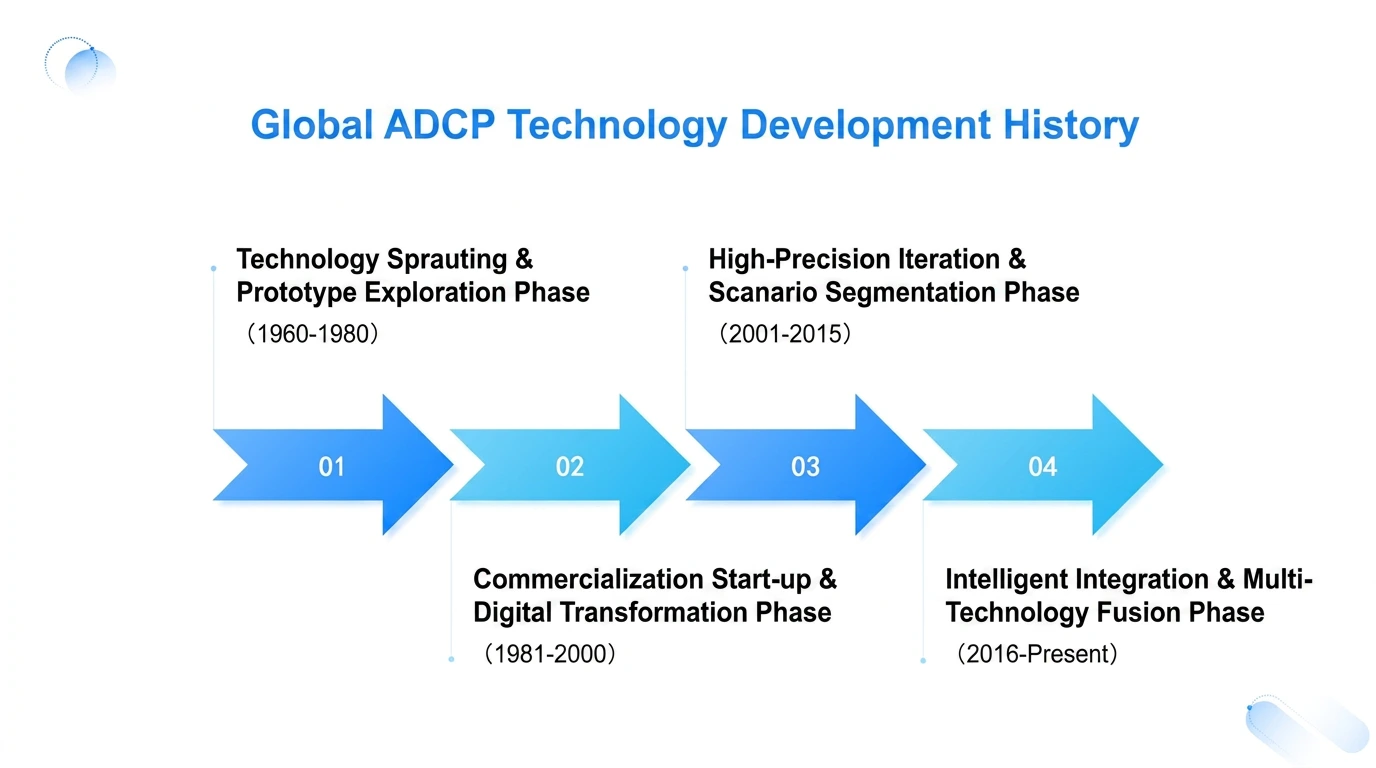
Figure 1 — Global ADCP Technology Timeline (1960–2026)
2. The Core Parts of a Modern ADCP System
A modern acoustic Doppler current profiler rests on four key pillars. Each one shapes how well the device works. They cover accuracy, ruggedness, uptime, and data value. The best makers excel at all four.
2.1 Acoustic Transducer Technology
The transducer is where sound meets water. It is the front door of any ADCP technology system. The global market uses three main frequency bands:
- 75 kHz (low band): This band reaches far and deep. It works for full ocean-depth surveys. Its range can go past several hundred meters. It is the go-to choice for deep-sea current mapping.
- 300 kHz (mid band): This is the most flexible option. It offers a good mix of range and detail. Ports, coastal engineering projects, and shelf surveys all use this band.
- 600 kHz and above (high band): This band gives the sharpest detail. The blind zone is tiny. It fits shallow water, river mouths, and near-shore work best.
Most mid-range products use a four-beam Janus layout. The reason is simple: it is stable and cheap to make. High-end gear, on the other hand, uses phased-array or piston-beam designs. These focus the sound beam to cut through signal loss in deep water.
Sensor materials have made big leaps too. Old ceramic PZT gave way to single-crystal piezo parts. These new parts drift less, feel more, and stay stable across wide temperature swings. Beyond the crystal itself, the plastic wrap and seal are just as vital. These steps are the secret sauce of Western firms. They set the bar for how deep the unit can go, how well it fights rust, and how long it stays clean from sea life.
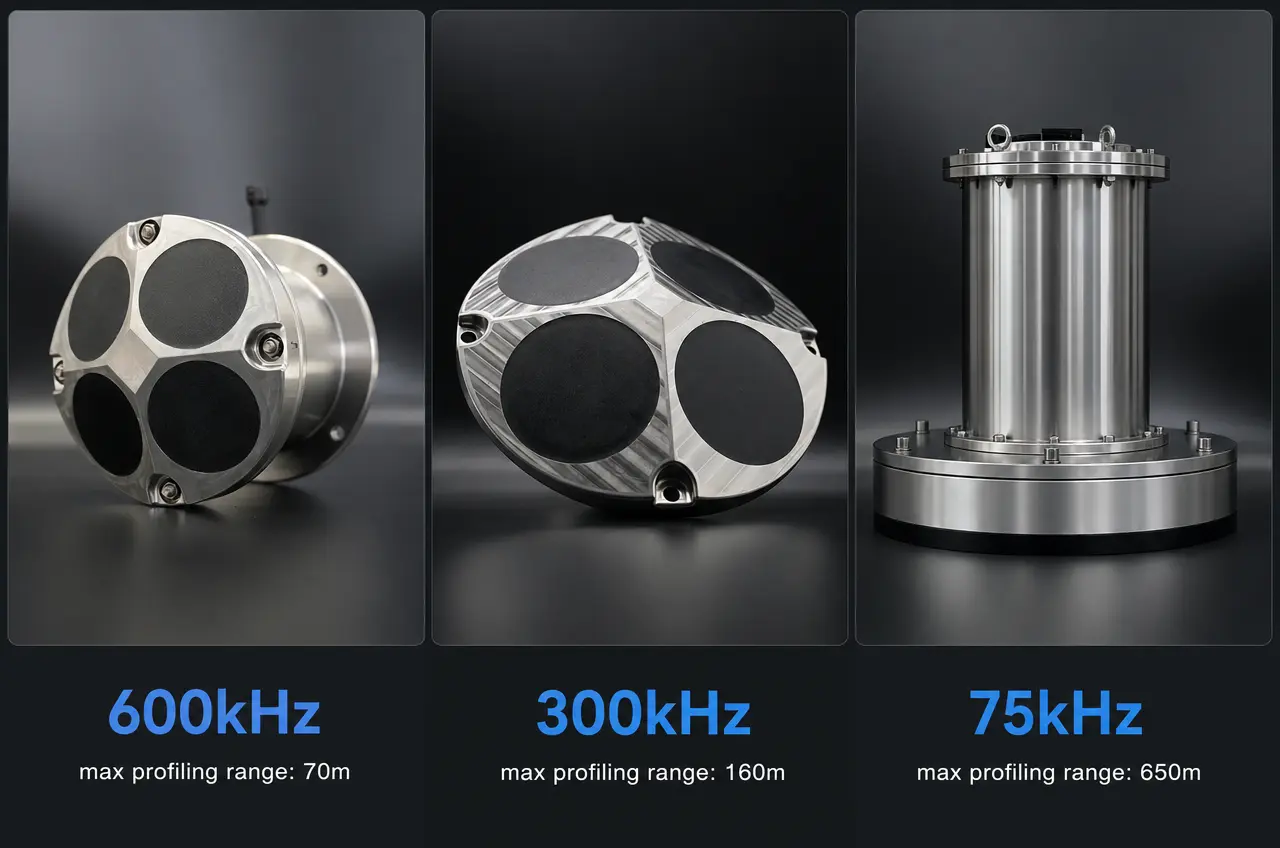
Figure 2 — Global ADCP Product Range: 75 kHz, 300 kHz, and 600 kHz Classes
2.2 Signal Processing and Flow Estimation Code
The code chain is the brain of ADCP technology. It turns raw echoes into real flow numbers. Two main methods exist today:
- Incoherent (narrowband) mode: This is the most tested and most used method. It looks at the phase gap between sent and received pulses. It is tough and fast to compute. That is why most deep-water and general-use systems rely on it.
- Coherent (broadband) mode: This method sends coded pulse trains. It gives much sharper results. It works best in shallow water and fine-detail flow studies. The catch is that it picks up more noise from rough water.
A big slice of R&D money today goes into one problem: how to spot real flow signals in muddy or bubbly water. The old way used a fixed cutoff filter. Now, smart filters adjust on the fly. They learn what a real scatterer looks like and block the rest — without losing good data.
Several helper functions complete the code package. Bottom tracking uses bed echoes to find the boat’s own speed. Water tracking and tilt fixers correct for motion and lean angle. When all these run together, the result is a clean flow profile no matter how the unit is mounted or moved.
2.3 Hardware Design and Toughness
Makers build ADCP hardware around four must-have goals. The device must stay reliable. It must sip power. It must hold up under huge pressure. And it must resist rust over years in salt water.
Inside every unit, a DSP chip pairs with an FPGA chip. This duo handles multiple sound channels and merges data from many sensors at once. The quality of the front-end analog chip is the single biggest mark of a top-tier unit. GPS, heading sensors, and extra environment probes all fit into the same compact shell.
Power comes in two ways. Cabled stations draw from the grid or a shore line. Battery units go it alone. Thanks to clever low-leak circuit design and smart power firmware, mid-tier units now last more than 180 days on one charge. Top deep-sea units can even run for a full year without a battery swap.
The pressure case is the hardest part of all. Shallow-water units use treated aluminum alloy. Deep-sea units need forged titanium alloy. The seal uses multiple O-rings and special gland shapes. It must hold at 6,000 meters. Beyond that, every board inside must survive years of damp-air cycling, salt spray, and sea-life build-up.
2.4 Software and Data Platforms
The software world for ADCP technology splits into three clear levels:
- Onboard firmware: This runs the show in real time. It fires the sensors, turns echoes into digits, and does the first round of data cleanup.
- Desktop tools: These are full-featured programs. Users decode raw files, check quality, draw plots, make reports, and feed flow models.
- Cloud platforms: This level is growing the fastest. A cloud hub lets teams tweak dozens of units from one screen. It streams live data, stores old records, and links many stations into one big watch network.
AI-driven modules are the newest piece. They spot bad data and fix it on their own. They can guess water-level and flow trends before they happen. Step by step, they turn a basic measurement tool into a smart alert system.
One difference between firms stands out here. Western brands tend to build open, general-purpose platforms. Asian firms, by contrast, tailor their tools to local needs and local water-data rules.
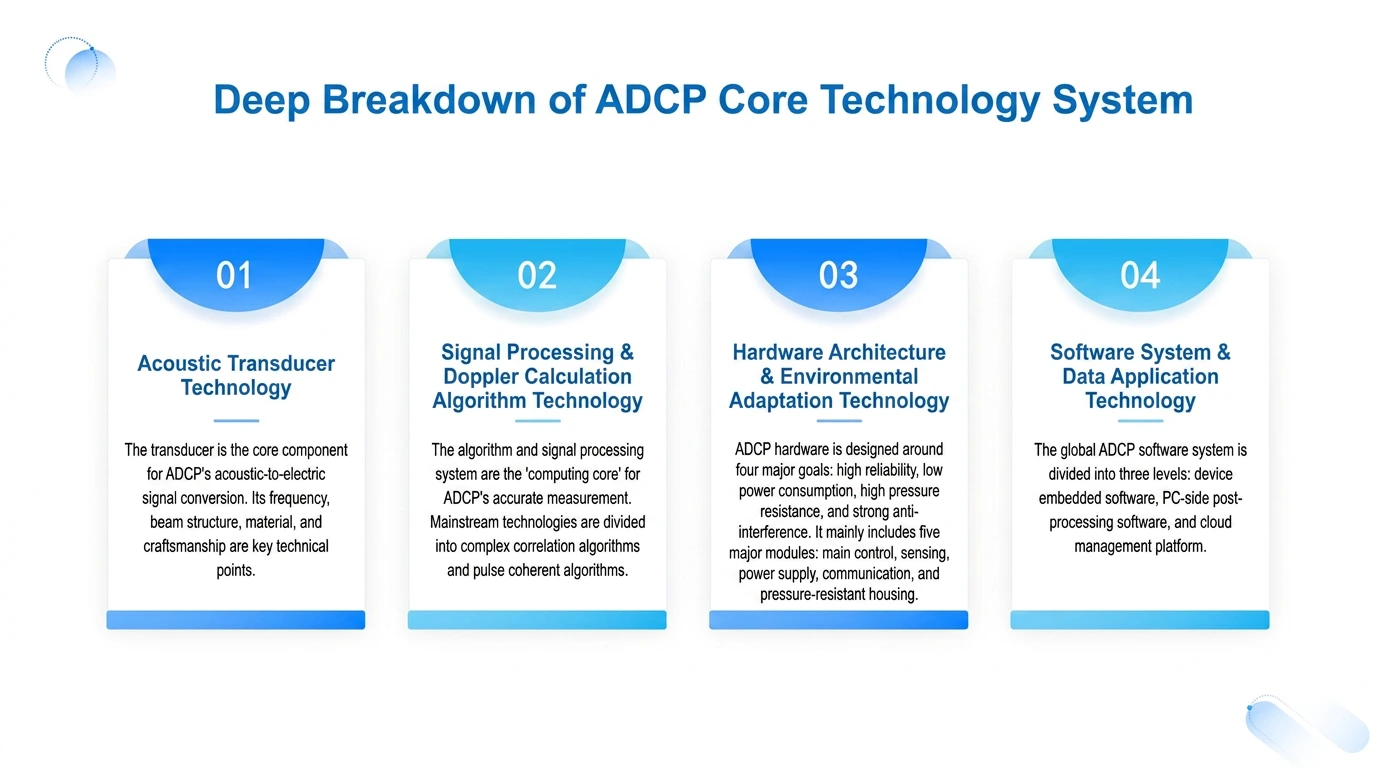
Figure 3 — ADCP Core Technology System Layout
3. Global Players and Their Tech Strategies
After 40 years of market shifts, the global ADCP technology field has split into clear tiers. Each tier follows its own playbook. For a side-by-side breakdown of the major players, see our ADCP manufacturer comparison.
3.1 Tier-One: Western Leaders — Deep R&D and Premium Products
Europe and North America are still the home turf of ADCP innovation. Three firms own the premium end of the market:
| Maker | What They Are Known For | Where They Stand |
|---|---|---|
| Teledyne RDI (USA) | A full range across all bands and depths. Their own broadband and pulse-coherent code. Titanium cases rated to 6,000 m. The best long-term field record in the business. | The gold standard for deep-ocean science and offshore work. They hold a near-lock on deep basin studies and long mooring rows. High price, top quality. Most big-institution buyers choose them. |
| Nortek (Norway) | High-precision, tiny form factor, very low power draw. The top micro-ADCP for AUVs, gliders, and carry-on kits. Proven cold-water and polar toughness. | The first pick for polar work, self-driving underwater craft, and small moorings. Their gear is light and fast to deploy. Their deep-water range is a bit less than RDI, though. |
| SonTek (USA, Xylem Group) | Built for value and field abuse. Simple menus, quick setup. A wide sales net that reaches water agencies worldwide. | More units in rivers, canals, and inland sites than anyone else. Good bang for the buck. They are now pushing from fresh water into coastal and bay work. |
What links these three? Each one pours heavy funds into in-house R&D. Each has decades of field data to back its claims. Each holds thick patent stacks. And each runs a global service net. These walls keep the top tier safe from newcomers.
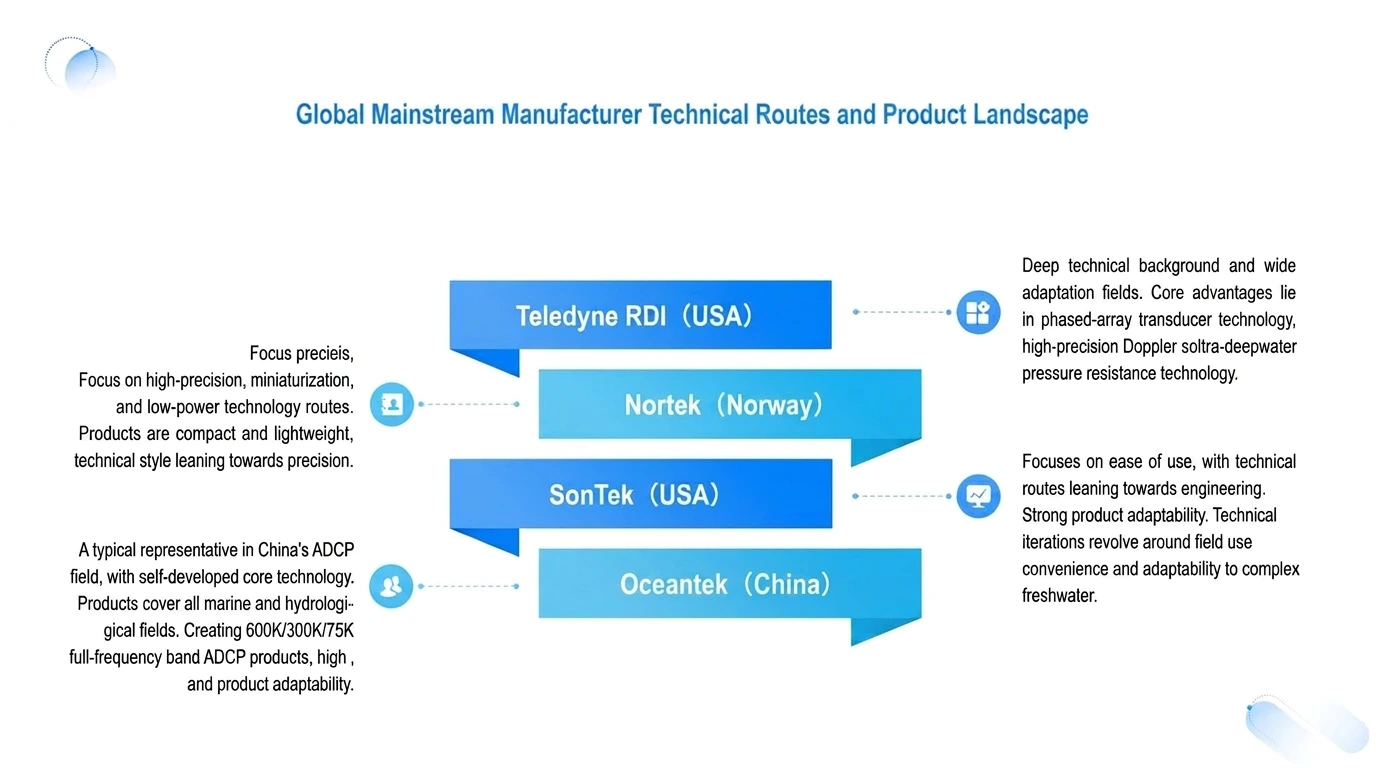
Figure 4 — Global ADCP Maker Strategy Map
3.2 Tier-Two: Asia-Pacific Newcomers — Lean, Fast, and Local
Asia-Pacific makers — with Chinese firms at the front — have become the most lively group of challengers. They move fast. They keep costs down. And they know what local users need. These strengths have won them a solid spot in the mid-market. They now aim higher.
Take Oceantek as an example. The firm built a full tech chain in-house. It covers both underwater sound and marine environment tracking. Its product line spans 600K, 300K, and 75K bands. Users can pick from direct-read, ship-mount, or horizontal setups.
What makes this firm stand out? Its signal code. The team tuned it for the muddy, fast-flowing rivers of Asia — places where Western filters often choke. Plus, the tough titanium body and carry-friendly shape give it an edge in coastal projects and near-shore surveys.
The tier-two playbook is clear and consistent. Close the tech gap through fast update cycles. Win on price and local fit. Lock down the tough niches — muddy rivers, shallow bays, near-shore sites. Then use that base to push into the high end, step by step.
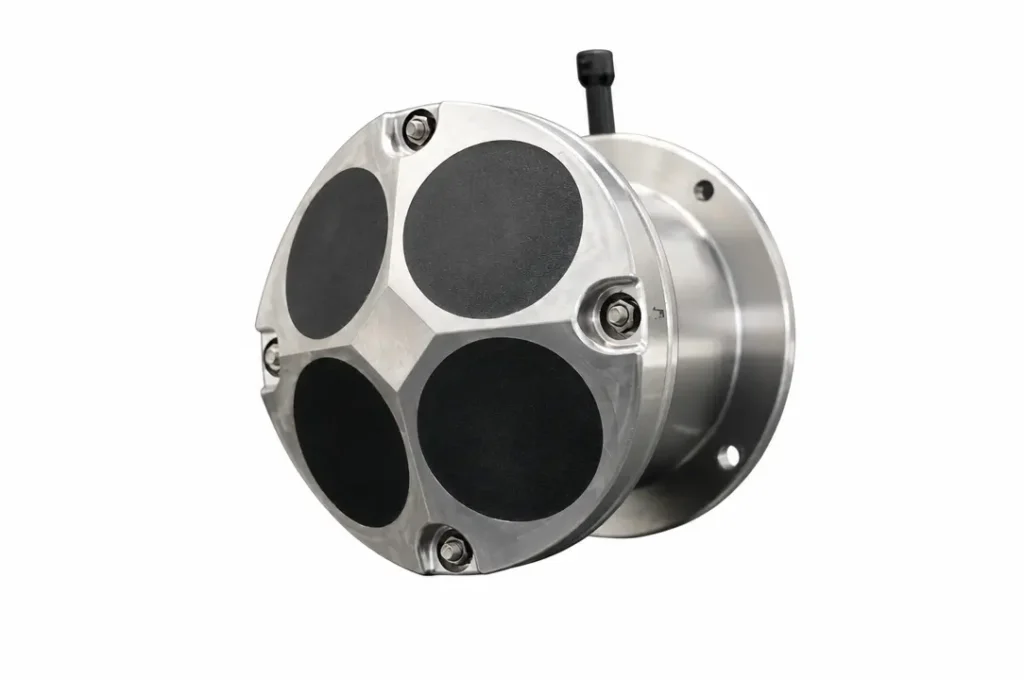
Figure 5 — Mid-Range ADCP Product Sample (600 kHz Class)
4. Tech Trends and Industry Paths: 2026–2030
4.1 Five Big Tech Trends (2026–2030)
Based on R&D plans that firms have shared so far, five trends will drive the next wave of ADCP technology:
- Full AI Integration. AI will soon run through the whole measurement chain. It will auto-tune the sensors on site. It will sort what kind of particles are in the water. It will spot faults and fix bad data by itself. Models trained on years of flow records will be able to guess speed, flow rate, and water level before they change. In short, profilers will grow from dumb tools into smart watch stations.
- Smaller, Lighter, MEMS-Based. MEMS is a tiny chip-scale sensor tech. When paired with all-in-one chip designs, it will cut device size and weight by ten times. Micro-ADCPs will become the standard payload on many moving platforms. Think underwater drones, gliders, small survey boats, and even seabed crawlers. This opens up whole new uses — from fine-scale swirl studies to small-robot guidance.
- Many Sensors in One Box. Future profilers will pack wave sensors, CTD probes, water-quality checkers, and seismic mics into one small unit. The math is simple: one device, one trip, many data types at once. That means less ship time, fewer moving parts, and lower total cost for the whole project.
- Deep-Sea, Years-Long Runs. New pressure-safe blends, high-yield energy cells, and near-zero drain circuits will push depth limits to the full ocean trench (11,000 m). At the same time, they will let units run for years without service. This makes constant deep-sea watch nets and fixed monitoring posts possible — things that were far too costly before.
- Green, Low-Power Designs. Cleaner hardware paths, smarter code, and built-in solar or wave-power add-ons will cut power needs further. Very low power use is the key that unlocks long-term, hands-off work in far-away rivers, unwatched basins, and off-grid polar spots. In these places, you simply cannot swap a battery.
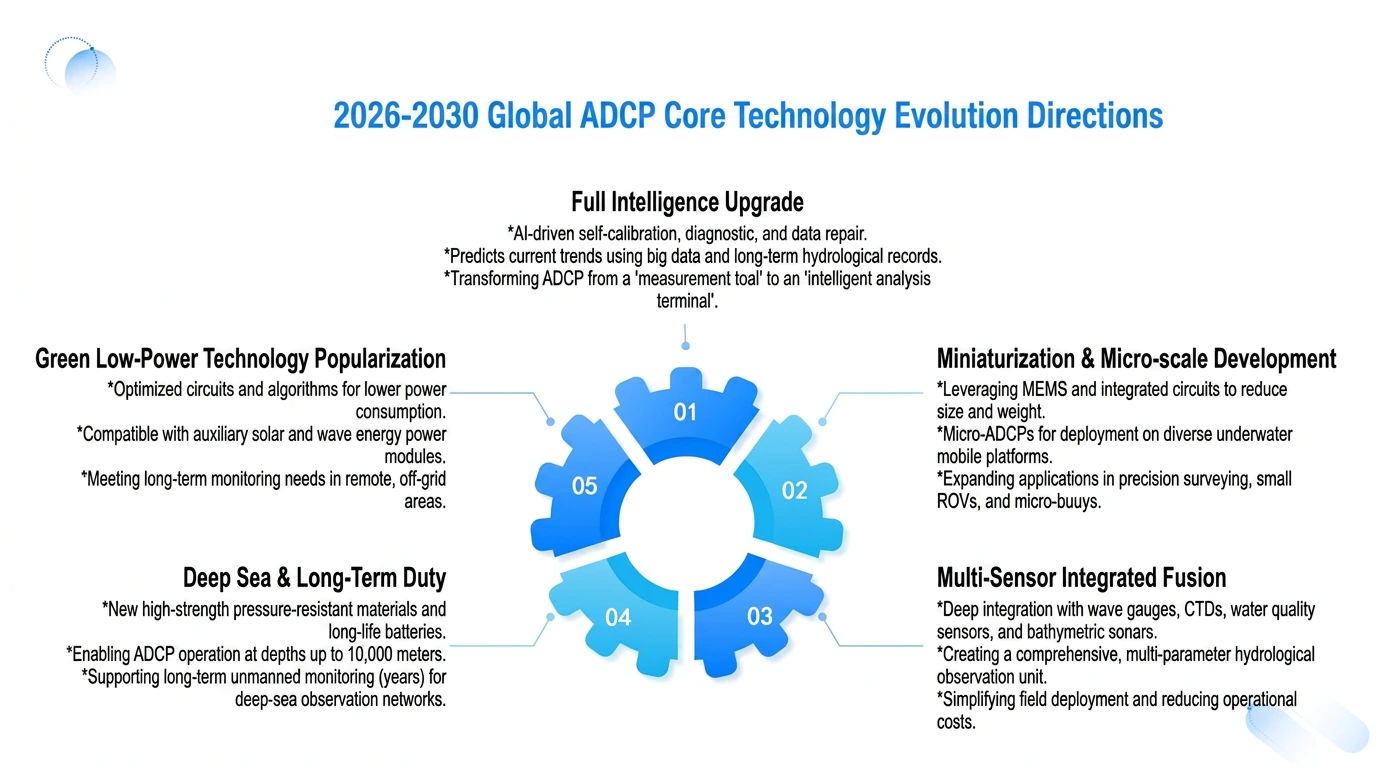
Figure 6 — 2026–2030 ADCP Core Tech Trends
4.2 Four Industry Paths (2026–2030)
Given where the market stands in 2026, the global ADCP technology field will move along four paths at once. We explore each of these shifts in more detail in our article on ADCP technology trends through 2030.
- R&D Path — Layered Work, Staged Wins. Western leaders will pour funds into basic research and bold new products. Their eyes stay on deep-sea and defense uses. Newer firms will keep refining mid-range gear. They will slowly close gaps in top-end parts and code. The whole industry will form a two-layer system: frontier R&D on top, mid-tier tuning below.
- Market Path — Two-Way Global Flow. US and European brands will dig deeper into rich-country sales. They will lean on brand trust and tech support walls. At the same time, Asia-Pacific makers — powered by their big home markets — will use good prices and tuned-for-purpose speed to push into new lands. The result is a two-way trade pattern across the globe.
- Supply-Chain Path — Finer Cuts, Team Work. The chain of who makes what will split into smaller slices. Dedicated sensor builders, chip designers, code studios, and cloud firms will pop up on their own. Name-brand makers will focus on tying the whole system together and selling to the end user. Open team-ups will lift the whole sector’s speed.
- Business-Model Path — From Box Sales to Full Service. The old way of just selling a hardware box is fading. In its place come bundled deals: the gear + the software + the cloud hub + the upkeep + the data reports. Makers will shift from pure device sellers into full water-observation service firms. Repeat service fees will become a main pillar of profit and staying power.
5. Conclusion and Key Takeaways
By 2026, global ADCP technology has grown through several waves of change. The market has settled into a clear shape. Europe and North America own the high end. Asian brands fight hard in the middle. Yet some hard problems remain unsolved for everyone. Top-grade sensors, fresh code breakthroughs, and deep-water toughness are still the open frontiers.
The next five years will be a turning point. Five tech forces will push the field ahead: AI smarts, shrinking size, sensor fusion, deep-sea staying power, and green low-power builds. On the business side, four big shifts will unfold: layered R&D, global market flow, team-based supply chains, and full-service models.
Every firm must now pick its spot. Top-tier players must keep leading on basic research. Newer firms should dig deeper into the niches they already own and sharpen what makes them different. Both paths can work. But no one can afford to stand still.
The winds at the back are strong. The blue economy grows each year. Smart-water plans gain ground. Marine gear making speeds up. All of these forces point one way. The coming years will bring both sharp tech leaps and wide market growth for ADCP technology. This is a field whose promise is still far bigger than most people grasp. To discuss which setup fits your project, get in touch with our team.
Disclaimer
We drew the data, charts, and views in this paper from public industry reports, maker statements, and hands-on field notes. Markets and tech paths can shift. Readers should keep an eye on the field and check key sources before they buy or invest.