Why Channel Maintenance & Dredging Needs Accurate Current Profiling
Accurate current profiling is essential for channel maintenance and dredging projects, as it provides actionable data on water depth, flow velocity, and sediment transport. In complex waterways, real-time monitoring is critical to:
- Guide dredging operations: Knowing water velocity and flow direction ensures precise sediment removal without over-excavation.
- Ensure operational safety: Real-time data reduces risks for dredgers, vessels, and workers operating in strong currents or narrow channels.
- Protect the environment: Monitoring flow and sediment dispersion prevents environmental damage, complying with international regulations.
- Optimize project efficiency: Accurate profiling supports better planning, resource allocation, and dredging scheduling.
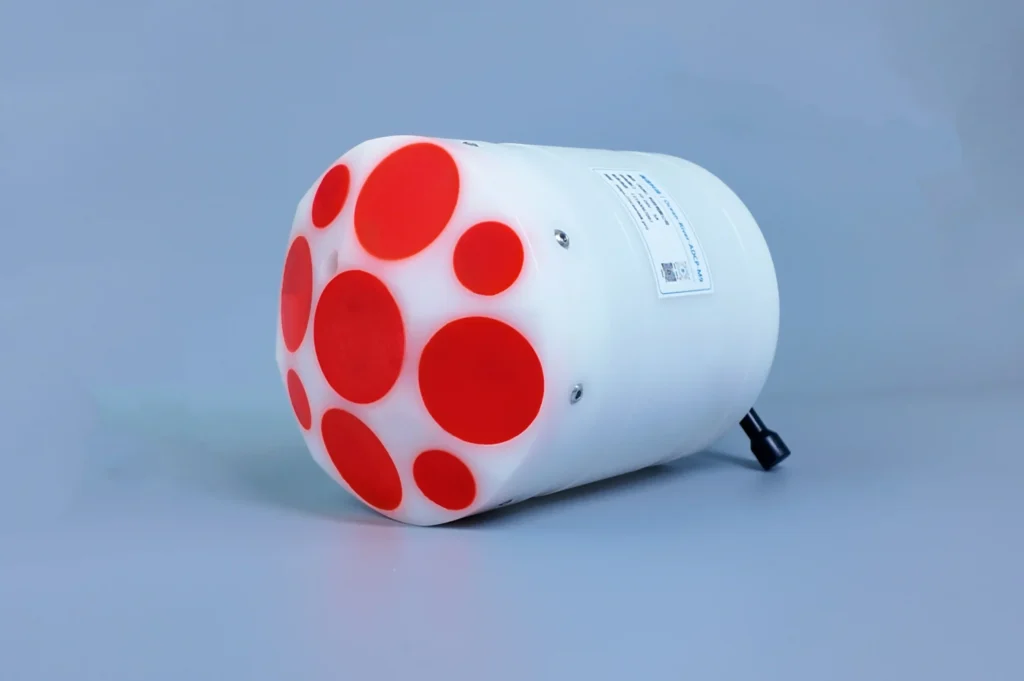
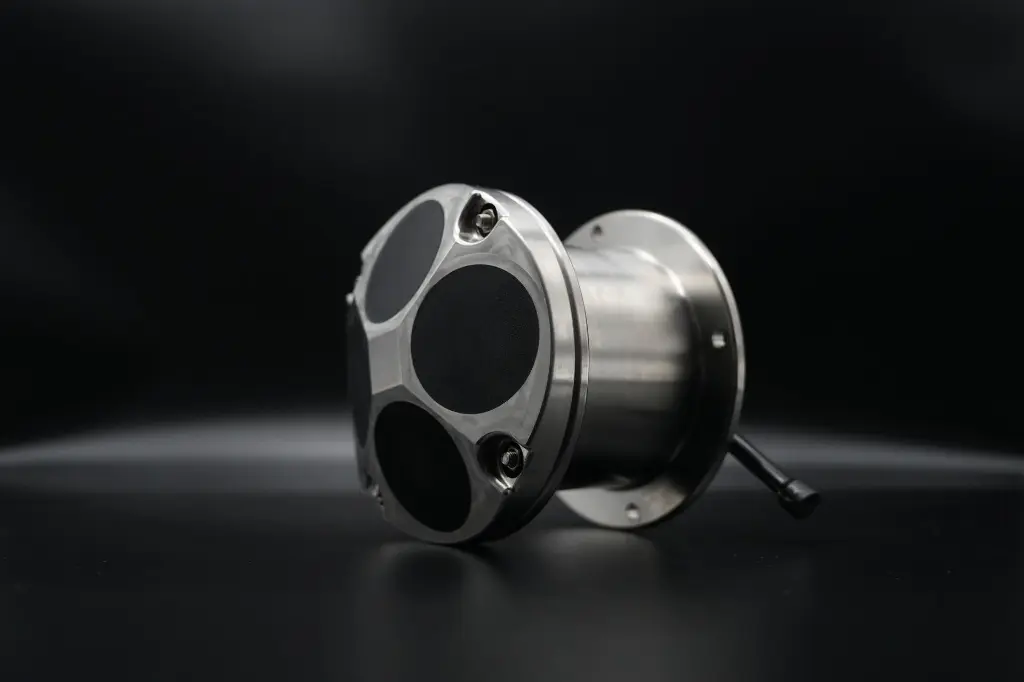
The Oceantek ADCP-600-DR-FA4, with its direct-reading mode and high-resolution measurements, delivers flow accuracy of ±0.3% ±3mm/s and directional accuracy of ±2°, providing engineers with reliable data for informed decision-making.
Key ADCP Applications in Channel Maintenance & Dredging
The ADCP-600-DR-FA4 is versatile for multiple dredging and navigation applications:
- Real-Time Flow Velocity Monitoring: Continuous measurements of water velocity allow operators to adjust dredging methods for optimal sediment removal.
- Sediment Plume Tracking: Monitoring suspended sediment spread in rivers or canals ensures environmental compliance and minimizes ecological impact.
- Depth and Bathymetry Surveys: High-resolution water column profiling assists in assessing navigable depths and dredging requirements.
- Dredger Positioning & Guidance: Accurate current and flow data improve dredger positioning, especially in strong or turbulent currents.
- Flood and Navigation Risk Assessment: Measuring water currents in real-time helps predict areas at risk and informs safe navigation protocols.
The device supports multi-layer measurements (1–255 layers) with unit thickness of 0.5–4 m, enabling precise mapping of water column dynamics during dredging operations.
Selecting the Right ADCP for Channel Maintenance & Dredging Applications
Choosing an ADCP for dredging requires careful consideration of frequency, installation, and data transfer needs. The Oceantek ADCP-600-DR-FA4 offers:
- Frequency: Operating at 600 kHz, it balances high resolution with sufficient range (55m broadband / 70m narrowband).
- Direct-Reading Installation: Ideal for dredgers, mounted on hull or structure, providing real-time velocity and sediment data.
- Data Interfaces: RS-232 or RS-422 connections allow integration with dredger control systems and remote monitoring platforms.
- Bottom Tracking: Optional bottom tracking (0.8–120 m) ensures accurate velocity readings even in shallow or fast-flowing channels.
- Internal Storage: 64 GB Micro SD allows local recording of extended monitoring sessions.
- Real-Time Sediment Plume Monitoring: Direct-read mode tracks mud dispersion and flow speed, enabling dynamic dredging adjustments.
These features make the ADCP-600-DR-FA4 an ideal tool for maximizing dredging efficiency and environmental compliance.
Case Study: Real-Time Flow Monitoring in Panama Canal Expansion Dredging
During the Panama Canal widening project, the Oceantek ADCP-600-DR-FA4 was deployed to monitor real-time flow velocities and sediment dispersion. Key outcomes included:
- Enhanced Dredging Efficiency: Operators adjusted dredger positioning based on live flow data, reducing excavation time by 12%.
- Sediment Management: Real-time plume tracking minimized environmental impact on adjacent waterways.
- Operational Safety: Current monitoring reduced navigational risks for support vessels operating in narrow canal sections.
This case highlights how real-time ADCP data transforms large-scale dredging operations, delivering measurable efficiency and safety benefits.
Best Practices and Tips
To maximize the benefits of the ADCP-600-DR-FA4 in dredging operations:
- Calibrate sensors before deployment to ensure maximum accuracy.
- Use multiple layers for complex channels, capturing vertical velocity variations.
- Integrate with dredger control systems for real-time operational adjustments.
- Monitor sediment plumes continuously, especially in ecologically sensitive areas.
- Regularly maintain and clean sensors to prevent biofouling and maintain measurement reliability.
FAQ
Q1: What is the maximum depth range for the ADCP-600-DR-FA4?
A1: The device offers bottom tracking from 0.8 m to 120 m and profiling ranges of 55 m (broadband) / 70 m (narrowband).
Q2: Can it monitor fast flows in dredging operations?
A2: Yes, it supports velocity measurements up to ±20 m/s, ideal for rivers and tidal channels.
Q3: What makes direct-reading mode advantageous?
A3: Direct-reading mode provides real-time velocity and sediment data, critical for dynamic dredging decisions and plume monitoring.
Q4: Is it suitable for environmental compliance monitoring?
A4: Absolutely. Its high-resolution flow and plume data ensure minimal environmental impact during dredging.
Q5: What are the data interfaces available?
A5: RS-232 and RS-422 communication ports allow integration with dredger control systems and remote monitoring setups.
Learn More About the ADCP-600-DR-FA4
For precise channel maintenance and dredging operations, the Oceantek ADCP-600-DR-FA4 delivers unmatched accuracy, real-time monitoring, and operational efficiency.
🔹 Explore product specifications and request a demo: Oceantek ADCP-600-DR-FA4 Product Page
Technical Specifications Summary:
| Parameter | Specification |
|---|---|
| Working Frequency | 600 kHz |
| Operation Mode | Direct-Reading |
| Profiling Range | 55 m (Broadband) / 70 m (Narrowband) |
| Bottom Tracking | 0.8 m – 120 m |
| Flow Accuracy | ±0.3% ±3 mm/s |
| Flow Resolution | 1 mm/s |
| Velocity Range | ±5.0 m/s (default), ±20 m/s (max) |
| Direction Accuracy | ±2° |
| Layers | 1 – 255 |
| Beam Angle | 20° |
| Beam Width | 3.5° |
| Number of Beams | 4 (Janus) |
| Storage | 64 GB Micro SD |
| Interfaces | RS-232 / RS-422 |
| Sensors | Temperature (-5°C–45°C, ±0.1°C), Pressure (±0.25%), Attitude Compass |
| Power Consumption | ≤10W |
| Housing | Titanium Alloy |
| Weight (Air/Water) | 3.5 kg / 2.8 kg |
| Dimensions | Φ148 × 150 mm |
| Optional | External Battery, AC/DC Converter, Bottom Tracking |