
75kHz ADCP Current Profiler
Ocean-ADCP-75-PA4
The Ocean-75-ADCP-PA4 is the deep-ocean workhorse of the Ocean ADCP lineup. With a 650m profiling range — the longest in our portfolio — it is purpose-built for full-depth ocean current observation: deep mooring arrays, basin-scale circulation studies, and abyssal monitoring where lower-frequency acoustic penetration is the only option.
Overview
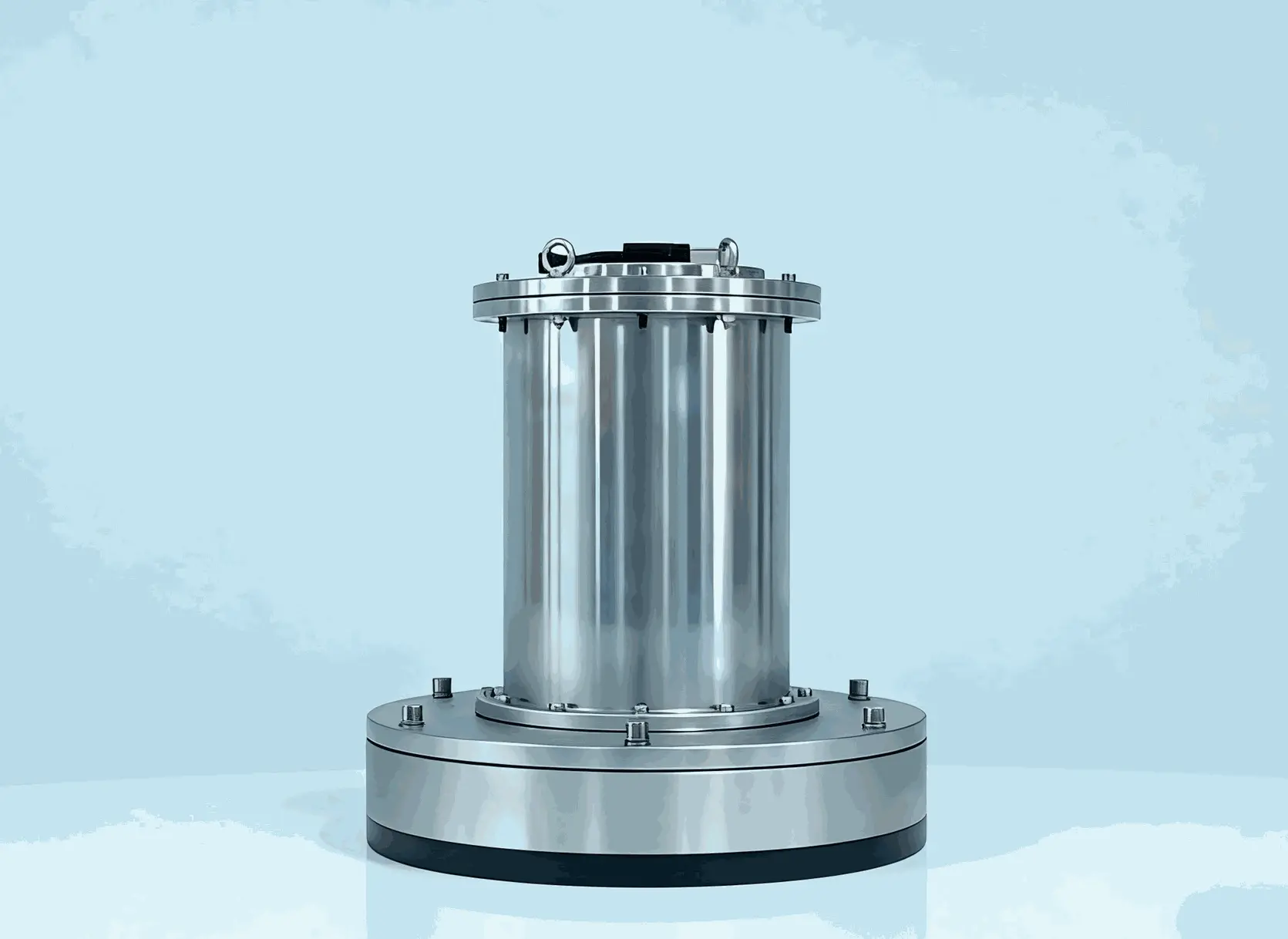
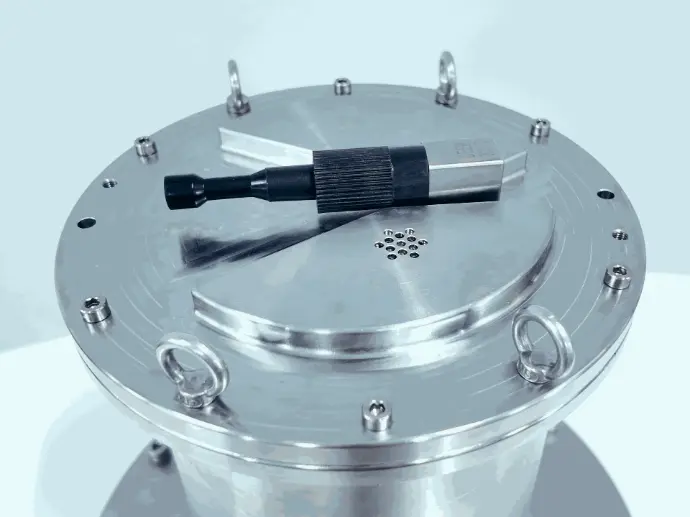
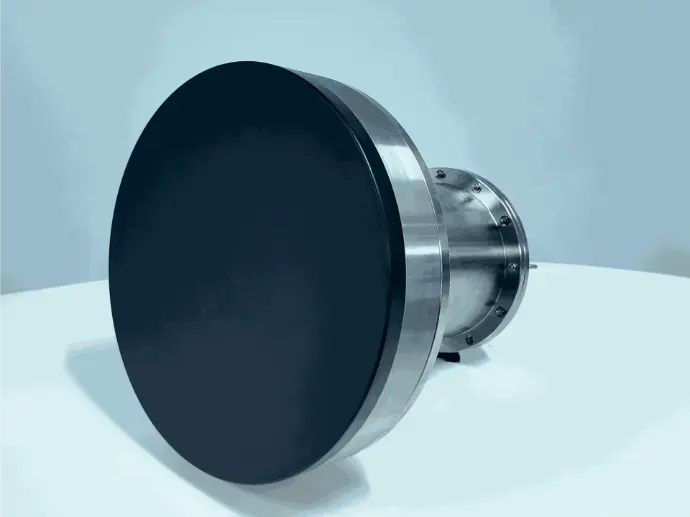
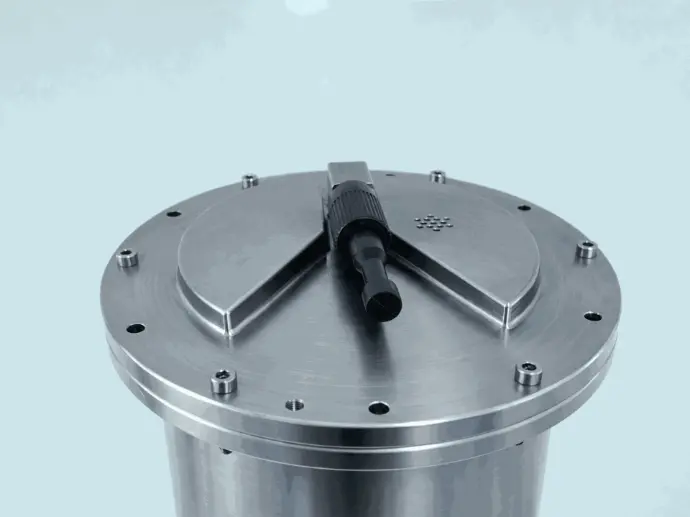
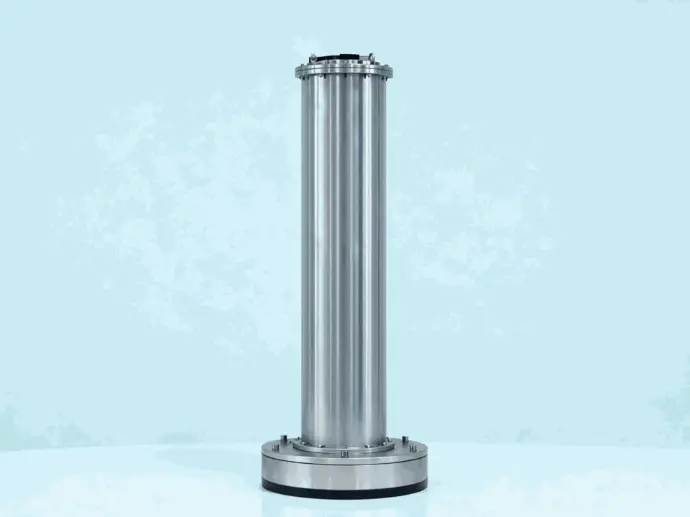
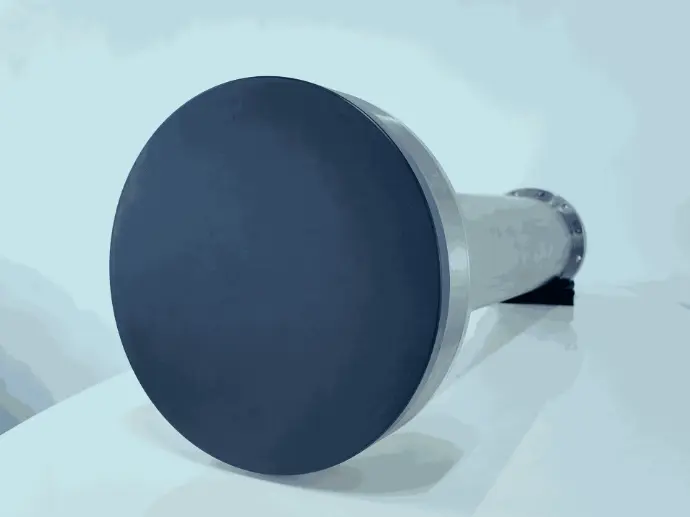
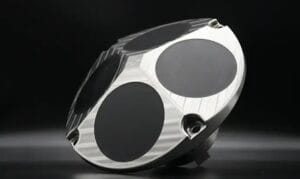
A 4-beam phased-array transducer operating at 75kHz provides the acoustic reach needed to profile through 650m of water column. The phased-array design keeps the transducer face flat and the housing diameter manageable despite the lower frequency. Titanium alloy construction, pressure-rated to 6,000m. Available in Direct-Reading (cabled) and Self-Contained (battery autonomous) configurations.
Key Features
650m Profiling Range
The longest range in the Ocean ADCP lineup. Profiles through the full water column in most ocean basins — from the thermocline to the abyssal plain.
Long-Range Bottom Tracking
Maintains bottom-lock at extended altitudes — essential for deep-water mooring deployments where the instrument sits far above the seabed.
Proven in Deep-Ocean Science
Deployed in basin-scale circulation studies, deep-water boundary current monitoring, and long-term ocean climate observation programs worldwide.
Two Configurations
Direct-Reading: real-time data via cable, external DC power.
Self-Contained: internal battery + 64 GB storage, ≥100 days autonomous operation.
1,500m Depth Rating Standard
Full-ocean-depth titanium housing. Built for abyssal mooring arrays, cabled seafloor observatories, and deep-water scientific campaigns that demand uncompromised pressure integrity.
75kHz Phased-Array Transducer
Low-frequency phased-array beam forming with electronic steering. The flat transducer face design keeps the instrument diameter manageable despite the longer wavelength — critical for deep-water pressure housing engineering.
Choose Your Configuration
The Ocean-75-ADCP-PA4 is available in Direct-Reading (cabled real-time) and Self-Contained (battery autonomous) configurations — same hardware, different cabling and accessories.
Most 75-PA4 orders ship as Self-Contained, configured for deep-water mooring arrays with extended battery packs. Direct-Reading is specified for cabled seafloor observatories and deep-water research vessel operations where real-time data is required.
Not sure which to choose? Need real-time data → Direct-Reading | Need long-term autonomous monitoring → Self-Contained
Specifications
| Technical Specification | 75kHz ADCP |
|---|---|
| Operating Frequency | 75kHz |
| Depth Rating | 1500m / 3000m / 6000m |
| Operation Mode | Direct-Reading / Self-Contained |
| Battery Capacity | Alkaline battery(SC configuration) |
| Underwater Profile Range (Broadband / Narrowband) | 550m / 650m |
| Bottom Track Range | 1000m |
| Current Measurement Accuracy | ±1.0% ± 5mm/s |
| Velocity Resolution | 1mm/s |
| Velocity Range | ±5.0 m/s (Default); ±10.0 m/s (Max) |
| Flow Direction Range | 0~360° |
| Flow Direction Accuracy | ±2° |
| Number of Cells | 1 - 255 |
| Height Measurement Resolution | 1mm |
| Height Measurement Accuracy | ±1% ± 0.5cm |
| Data Refresh Rate | 1Hz (No Bottom Track); 0.5Hz (With Bottom Track) |
| Cell Size | 4m - 32m |
| Beam Angle | 30° |
| Beam Width | 3.5° |
| Number of Beams | 4 Beams Janus |
| Internal Storage | 64 GB Micro SD Card |
| Communication Interface | RS-232 or RS-422 |
| Temperature Sensor | Range: -5°C to 45°C; Accuracy: ±0.1°C |
| Pressure Sensor | Range: According to depth rating; Accuracy: ±0.25% |
| Attitude Compass Sensor | Range: Roll ±85° | Pitch ±85° | Heading 0-360°; Accuracy (RMS): Roll 0.2° | Pitch 0.2° | Heading 0.8°; Resolution: 0.1° |
| Average Power Consumption | ≤20W |
| Operating Temperature | -5°C to 45°C |
| Storage Temperature | -40°C to 70°C |
| Power Supply Interface | 20V - 50V, 5A |
| Housing Material | Titanium Alloy |
| Weight (in Air / in Water) | 55 kg / 43 kg (1500m) | 67 kg / 56 kg (3000m) | 80 kg / 61 kg (6000m) |
| Dimensions (Excluding Top Connector) | Φ350 × 343 mm (1500m) | Φ350 × 363 mm (3000m) | Φ350 × 383 mm (6000m) |
| Available Options | - |
Applications

Ocean Circulation Research
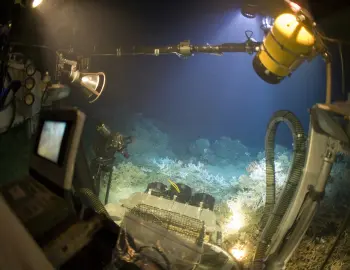
Deep-Sea Equipment Env Monitoring
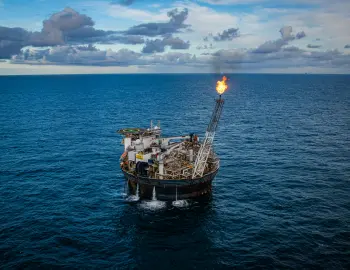
Marine Resource Development & EIA
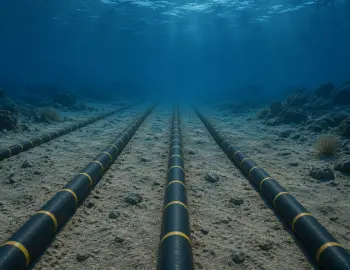
Deep-Sea Observation Network

oceanographic research cruise
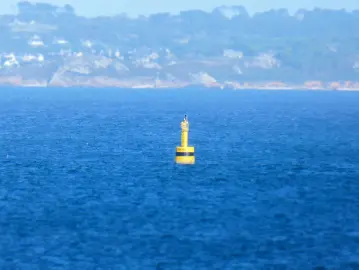
Long-term Ocean Observation
Why Choose the 75-PA4
600m profiling range
With Oceantek, you pay for titanium, electronics, and engineering. Typical savings: 30% or more vs equivalent-spec Teledyne RDI or Nortek instruments.
Full-ocean-depth rated
1,500m titanium housing as standard. Built for abyssal mooring arrays, deep-water cabled observatories, and basin-scale circulation studies where pressure integrity is non-negotiable.
Phased-array engineering at low frequency
Titanium alloy across all three depth ratings — 1000m / 3000m / 6000m. No plastic, no aluminum, no hidden upcharge. Proven in turbid rivers, high-energy coastal zones, and deep-water moorings across 100+ countries.
Learn More About 75kHz ADCPs
In-depth guides, comparisons, and real-world data to help you make an informed decision.
Physics-based comparison: range, resolution, power trade-offs
Every parameter decoded: what each spec means for your project
Complete guide to discharge measurement with direct-reading ADCPs
Nortek vs SonTek vs TRDI vs Oceantek – side-by-side analysis
Practical buyer’s analysis: performance, price, and service comparison
7 hidden cost drivers beyond the purchase price
Frequently Asked Questions
Quick answers about the Ocean-ADCP-75-PA4
When should I use 75kHz instead of 300kHz?
The simple rule: if your water depth is consistently deeper than 200m, use 75kHz. At those depths, a 300kHz signal attenuates before reaching the bottom of your profile. The trade-off is coarser spatial resolution (larger cell sizes, larger blind zone) — the 75-PA4 is about range, not fine detail.
How long can the Self-Contained configuration record autonomously?
Recording duration depends on ping rate, cell size, and number of cells. At a typical deep-water configuration (1 ping/minute, 5m cells, 100 cells), a standard battery pack supports 6–12 months of continuous recording. Extended battery packs are available for multi-year deployments.
What makes the PA4 phased-array suitable for deep-ocean use?
At 75kHz, the acoustic wavelength is longer, requiring a larger transducer face for a well-formed beam. A piston transducer of this size would make the instrument impractically large. The phased-array design achieves the same beam performance on a flat face, keeping the housing diameter manageable while maintaining the 6,000m pressure rating. This is the same engineering reason Teledyne RDI and Nortek use phased-arrays for their deep-water instruments.
Get a Quick quote
Tell us about your project and we’ll provide a customized quotation within 24 hours — including recommended configuration, lead time, and shipping.
Other Ocean ADCPs
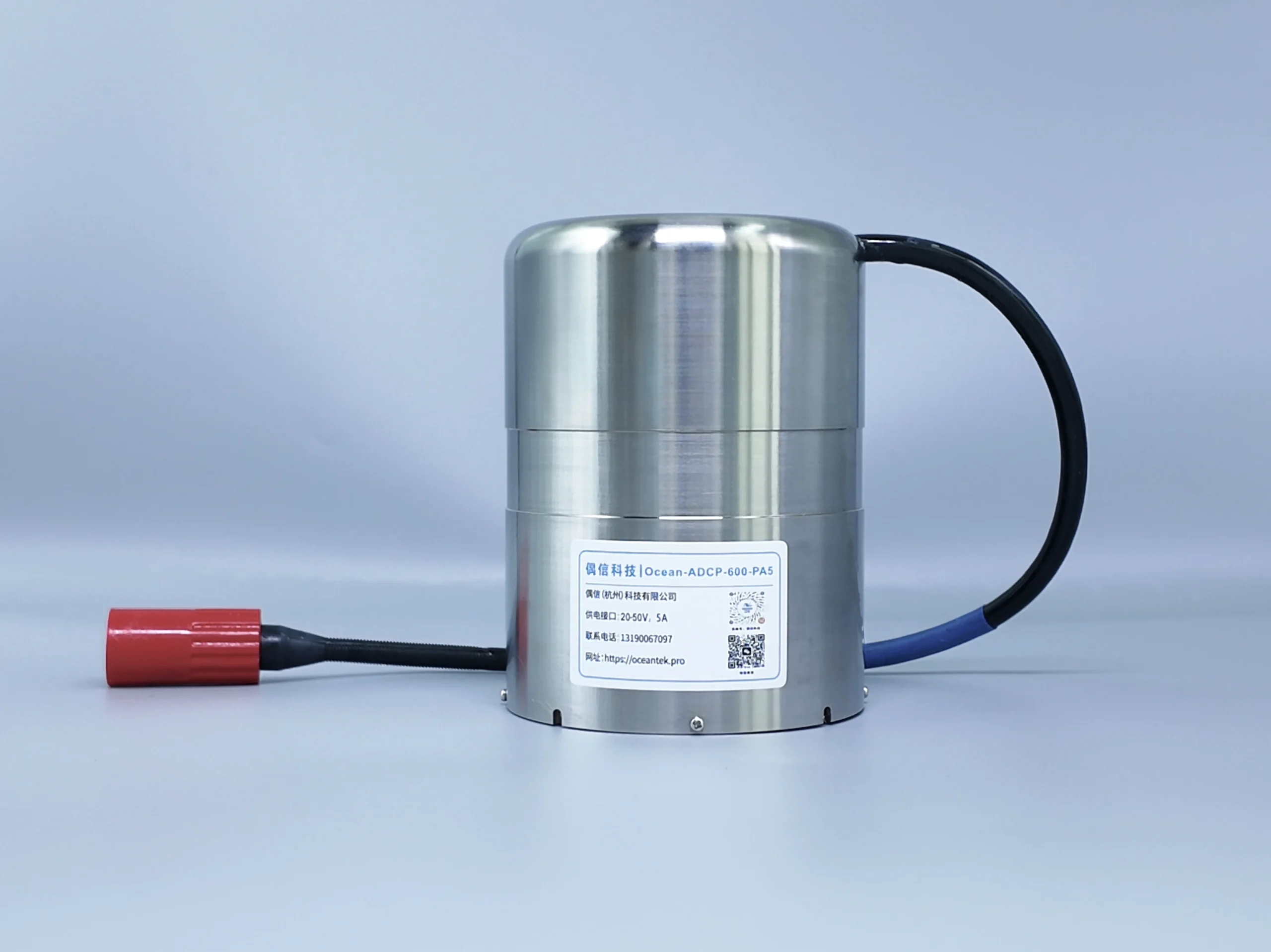
Ocean-ADCP-600-PA5
600kHz phased-array ADCP in a Φ92mm micro-casing. Same 70m profiling range as the FA4 with ≤5W power draw. For buoys, compact platforms, and space-constrained deployments. DR & SC.
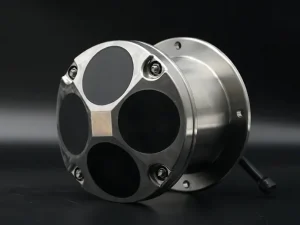
Ocean-ADCP-600-FA4
600kHz piston ADCP for shallow-water coastal profiling. 70m range, 0.25m blind zone — the highest-resolution instrument in the Ocean ADCP lineup. DR & SC configurations.
Ocean-ADCP-300-FA4
300kHz piston ADCP — the most versatile in the lineup. 220m range covers the full continental shelf. The default choice for offshore wind metocean campaigns and research vessel surveys. DR & SC.