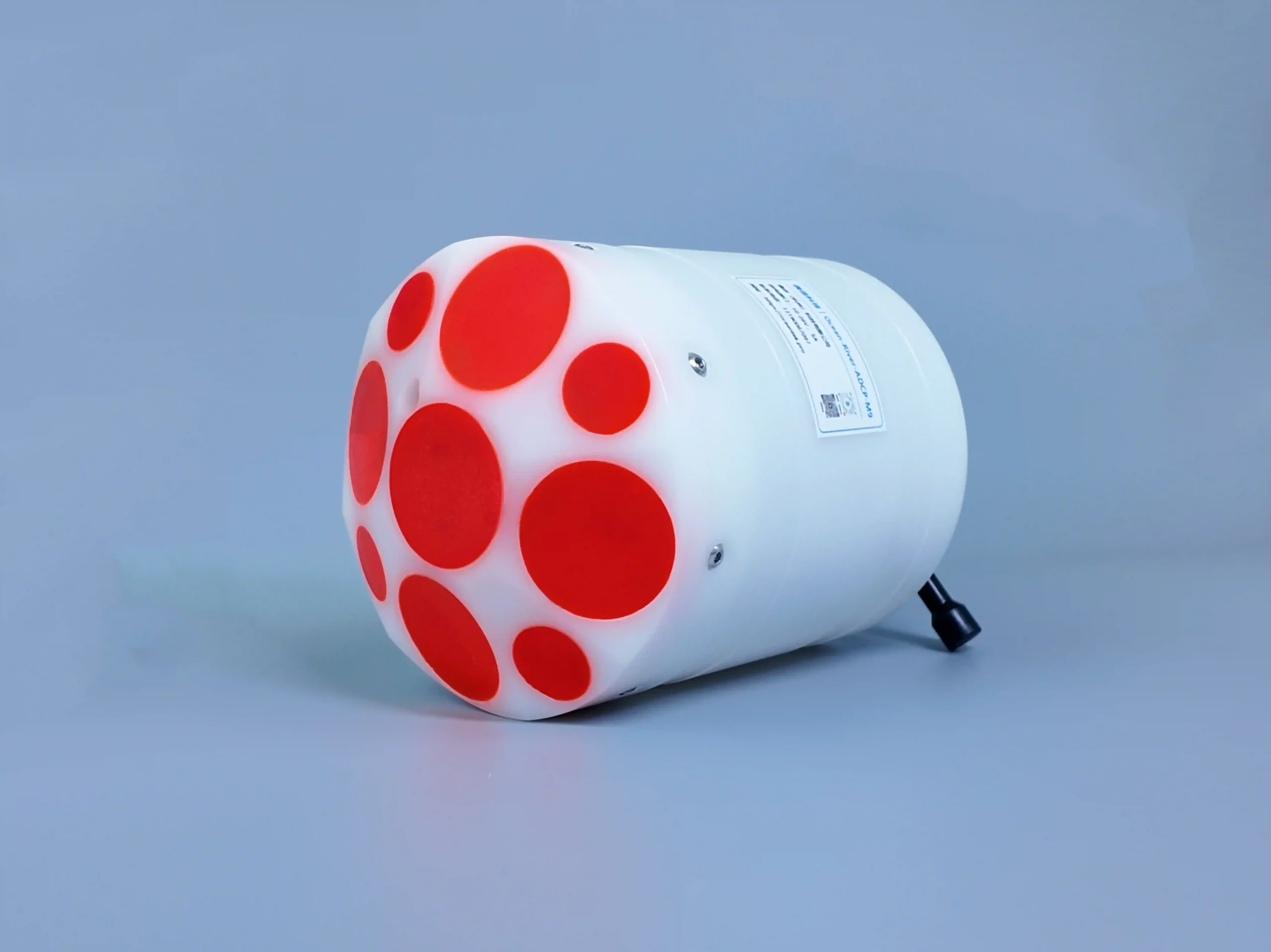
600kHz ADCP For River Discharge
River-ADCP-600-FA5
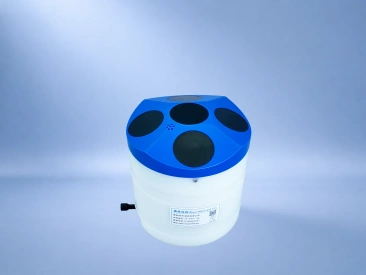
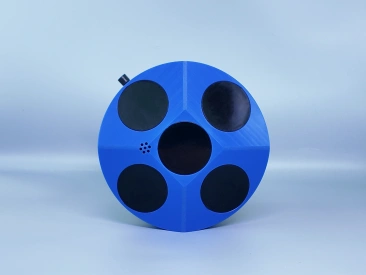
The River-ADCP-600-FA5 is a 600kHz 5-beam piston ADCP for river discharge measurement. Four Janus-arranged piston transducers with a 20° beam angle deliver strong, stable bottom-echo returns — even in sediment-laden or turbulent rivers where wider beam angles lose signal. A dedicated fifth vertical piston beam provides independent bathymetry.
Overview
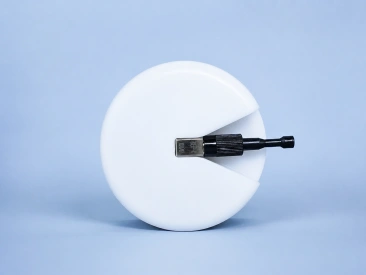
Profiling from 0.5m to 65m, bottom-tracking to 110m — the deepest bottom-lock of any River ADCP in the Oceantek lineup. ±0.25% ± 2mm/s accuracy. Embedded GPS for moving-boat discharge without an external antenna. Broadband and pulse-coherent operation modes. Φ176mm × 194mm POM housing, ≤5W average power, 50m depth rating. Available in Direct-Reading configuration.
Key Features
±0.25% ± 2mm/s Accuracy
Survey-grade velocity measurement. 1mm/s resolution, ±20m/s max range, 0–360° direction at ±2°. Same accuracy as the River-ADCP-M9 — piston reliability at the same precision.
5-Beam Piston Array · 20° Beam Angle
4 piston transducers in Janus configuration + 1 dedicated vertical piston beam for bathymetry. 20° beam angle — tighter than phased-array alternatives — concentrates acoustic energy for stronger returns on soft, silty riverbeds.
0.5–65m Profiling · 0.1–5m Cell Size
Configurable from 0.1m up to 5m cells, up to 255 layers. Profile from near-surface to near-bed in medium-depth rivers. 1–2Hz output rate for smooth cross-section data.
110m Bottom-Track Range
The deepest bottom-lock of any River ADCP in the lineup. Tracks reliably from 0.5m to 110m — covers deep river channels, tailraces, and estuarine cross-sections where shallower-tracking instruments lose lock.
Broadband + Pulse-Coherent Modes
Dual operation modes: broadband for standard discharge surveys over the full depth range, pulse-coherent for ultra-fine near-bed velocity measurements when bottom detail is critical.
Integrated Attitude & Environmental Sensors
Built-in temperature (±0.5°C), pressure (±0.25%), attitude (±0.3° roll/pitch), and compass (±1° heading). Full environmental compensation in a single instrument. ≤5W average power.
Specifications
| Category | Technical Specification | Parameter |
|---|---|---|
| Velocity Measurement | Operation Mode | Broadband / Pulse Coherent |
| Profile Range | 0.5‑65m (Long‑range Mode) 0.5‑50m (High‑precision Mode) | |
| Typical Current Measurement Accuracy | ±0.25% ±2mm/s | |
| Velocity Resolution | 1mm/s | |
| Velocity Range | ±5.0 m/s (Default); ±20.0 m/s (Max) | |
| Flow Direction Range | 0‑360° | |
| Flow Direction Accuracy | ±2° | |
| Number of Cells | 1‑255 | |
| Cell Size | 0.1‑6m | |
| Max Sampling Rate | 4Hz | |
| Bottom Tracking | Velocity Range | ±10m/s |
| Depth Range | 0.5‑110 m | |
| Frequency | 600 kHz | |
| Transducer & Hardware | Configuration | 4 piston transducers, Janus arrangement; 1 vertical active piston transducer |
| Beam Angle | 20° | |
| Internal Storage | 64GB | |
| Communication | Communication Interface | RS‑232 / RS‑422 |
| Standard Sensors | Temperature Sensor | Range:‑5℃‑45℃; Accuracy:±0.1℃ |
| Pressure Sensor | Range: Subject to depth rating; Accuracy:±0.25% | |
| Attitude & Heading Sensor | Heading 0‑360°; RMS Accuracy: Roll ±1° | Pitch ±1° | Heading 0.8°; Resolution:0.01° | |
| Power Supply | Power Supply Interface | 10‑26V |
| Average Power Consumption | ≤5W | |
| Structure | Housing Material | POM |
| Environment | Operating Temperature | -5℃‑45℃ |
| Storage Temperature | -40℃‑70℃ | |
| Physical Properties | Pressure Depth Rating | 50m |
| Weight (in Air) | ≤3.5kg | |
| Dimensions | Φ176mm × 194mm |
Applications
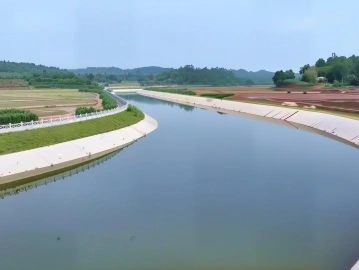
River Discharge Gauging
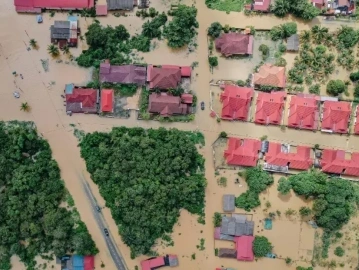
Flood Monitoring
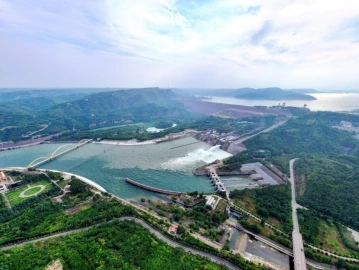
Ecological flow monitoring
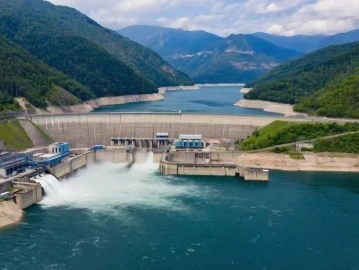
Reservoir Inflow and Outflow Measurement
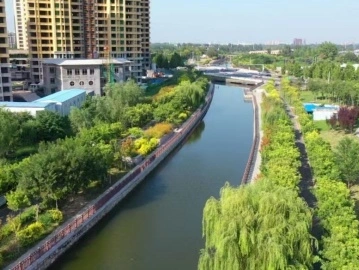
Urban Inland Water Environment Monitoring

Irrigation Area Canal Water Monitoring
Why Choose the River-ADCP-600-FA5
Three reasons this instrument earns its place in a hydrological field kit.
Finish the Transect in One Pass
On a silty or sandy riverbed, a wider beam scatters and loses bottom-lock — you have to re-run the cross-section. The FA5’s 20° beam holds the return signal through mud and sediment. You cross once, get your data, move to the next station.
Carry Less Gear to the Riverbank
The GPS is inside the instrument. You don’t bring a separate GNSS antenna, its cable, its mounting bracket, or the power splitter. One instrument, one cable to your laptop — that’s the kit. Lighter bag, faster setup, fewer things to forget in the truck.
One Instrument for Routine Gauging and Research Surveys
Most river ADCPs lock you into one measurement mode. The FA5 switches between broadband for everyday discharge and pulse-coherent for detailed near-bed work — sediment studies, habitat mapping, rating curve refinement. You don’t buy a second instrument when the science team comes to visit.
Frequently Asked Questions
Quick answers about the Ocean-ADCP-600-FA4
Why does the FA5 use piston transducers?
How does this compare to the River-ADCP-M9?
What is the difference between Broadband and Pulse-Coherent modes?
Get a Quick quote
Tell us about your project and we’ll provide a customized quotation within 24 hours — including recommended configuration, lead time, and shipping.