
600kHz Doppler Velocity Log
DVL-600-FA4
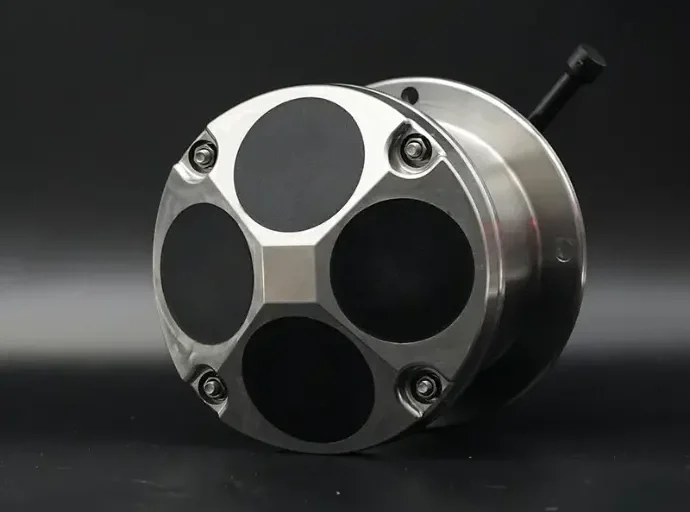
The DVL-600-FA4 is a 600kHz 4-beam Janus-configuration Doppler Velocity Log with a proven piston transducer — the workhorse DVL for work-class ROVs, large AUVs, and subsea platform navigation. Bottom-track lock from 0.7m to 110m altitude at ±0.3% ± 3mm/s, with seamless automatic fallback to water-track mode beyond that.
Overview
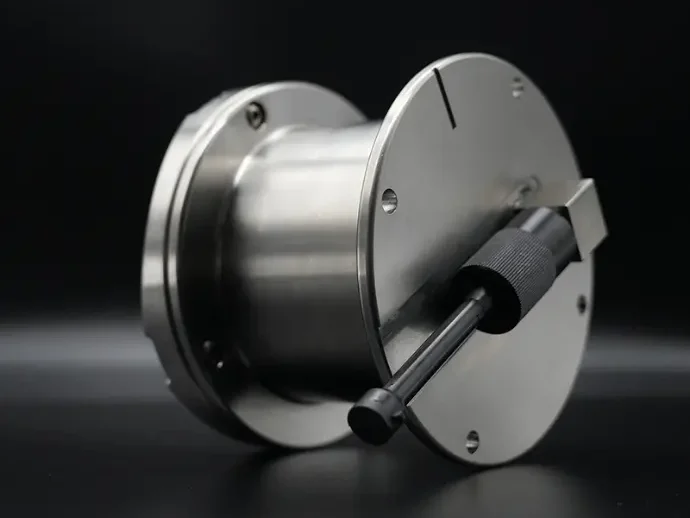
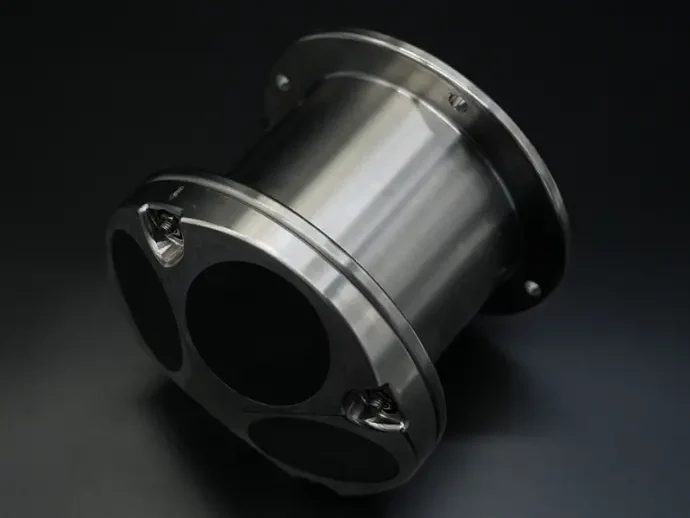
Built around a classic 4-beam Janus array with a 20° beam angle, the FA4 delivers stable, redundant 3D velocity data across sloped and uneven seabed terrain. Titanium alloy housing with selectable depth ratings of 1,000m, 3,000m, or 6,000m. Standard RS-232/RS-422 serial output in PD0/PD6 format — integrate directly into any major INS platform. 64GB onboard Micro SD records full mission data for post-processing.
Key Features
110m Bottom-Track Range
Reliable bottom-lock from 0.7m to 110m altitude. ±0.3% ± 3mm/s velocity accuracy, 1mm/s resolution. Navigation-grade dead-reckoning input for your INS.
Dual-Tracking: Bottom + Water
Automatic switching between bottom-track and water-track modes. Seamless transition keeps the INS fed when the seabed drops beyond bottom-lock range.
20° Beam Angle · 3.5° Beam Width
Tighter beam angle than phased-array DVLs — concentrates acoustic energy for stronger bottom-echo returns on soft or silty seabeds where wider beams would scatter.
Proven Piston Reliability
FA4 ceramic piston transducer — field-proven across thousands of work-class ROV dives and AUV survey missions. Consistent beam patterns, serviceable, no electronic steering drift.
4-Beam Janus Configuration
Classic piston transducer array with four beams in Janus geometry. Redundant velocity measurement — if one beam is momentarily obscured, the remaining three still compute a valid solution.
Three Depth Ratings
Selectable 1,000m (3.5 kg), 3,000m (4.8 kg), or 6,000m (5.7 kg) titanium housings. Pay only for the depth rating your vehicle actually needs.
Two Tracking Modes, One Instrument
Automatic switching based on altitude — no vehicle intervention. All DVL models are
Direct-Reading: real-time serial output, vehicle-powered.
Bottom-Track Mode
0.7m – 110m Altitude
- 4-beam Janus velocity relative to seabed
- ±0.3% ± 3mm/s navigation-grade accuracy
- Simultaneous altitude measurement
- Primary mode for 90% of AUV/ROV missions
- 20° beam angle for soft-seabed echo strength
Water-Track Mode
>110m Altitude · Automatic Fallback
- Velocity relative to water column
- Activates when bottom-lock is lost
- Keeps INS updated during deep-water transit
- Resumes bottom-track automatically when seabed returns
- Also outputs current profile data as secondary stream
Direct-Reading only. The DVL-600-FA4 outputs real-time velocity and altitude via RS-232/RS-422 in PD0/PD6 format.
Compatible with all major INS platforms.
Specifications
| Technical Specification | DVL-600-FA4 |
|---|---|
| Model | DVL-600-FA4 |
| Pressure Rating | 1000m, 3000m, 6000m |
| Operating Frequency | 600kHz |
| Bottom Track Depth (Relative to Seabed Height) | 0.7 - 110m |
| Bottom Track Accuracy | ±0.3% ± 3mm/s (Cumulative Accuracy) |
| Height Measurement Accuracy | ±1% ± 0.5cm |
| Water Tracking Depth Range (Relative to Seabed Height) | >110m |
| Heading Accuracy | ±2° |
| Velocity Accuracy | ±0.3% ± 3mm/s |
| Velocity Resolution | 1mm/s |
| Data Refresh Rate | 2Hz |
| Beam Angle | 20° |
| Beam Width | 3.5° |
| Beam Configuration | 4 Beams Janus |
| Internal Storage | 64 GB Micro SD Card |
| Communication Interface | RS-232 or RS-422 |
| Temperature Sensor | Range: -5°C to 45°C; Accuracy: ±0.1°C |
| Pressure Sensor | Range: According to depth rating; Accuracy: ±0.25% |
| Operating Temperature | -5°C - 45°C |
| Storage Temperature | -40°C - 70°C |
| Attitude Heading Reference Sensor | Range: Roll ±85° | Pitch ±85° | Heading 0-360°; Accuracy (RMS): Roll 0.2° | Pitch 0.2° | Heading 0.8°; Resolution: 0.1° |
| Maximum Transmit Power Consumption | ≤10W |
| Power Supply Interface | 20V - 50V |
| Housing Material | Titanium Alloy |
| Weight (in Air / in Water) | 3.5 kg / 2.8 kg (1000m) | 4.8 kg / 3.8 kg (3000m) | 5.7 kg / 4.6 kg (6000m) |
| Dimensions (Excluding Top Connector) | Φ148 × 150 mm (1000m) | Φ148 × 157 mm (3000m) | Φ148 × 167 mm (6000m) |
Applications
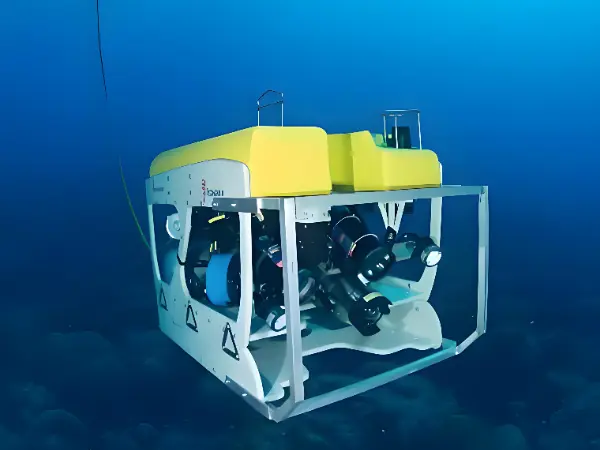
ROV underwater robot
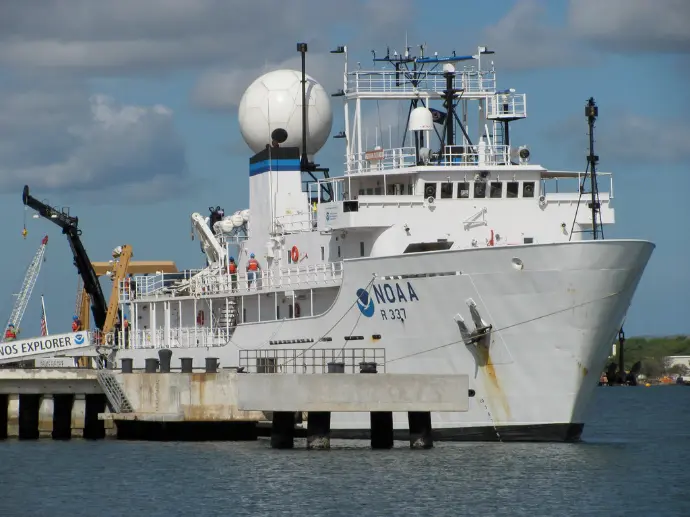
Oceanographic research vessel
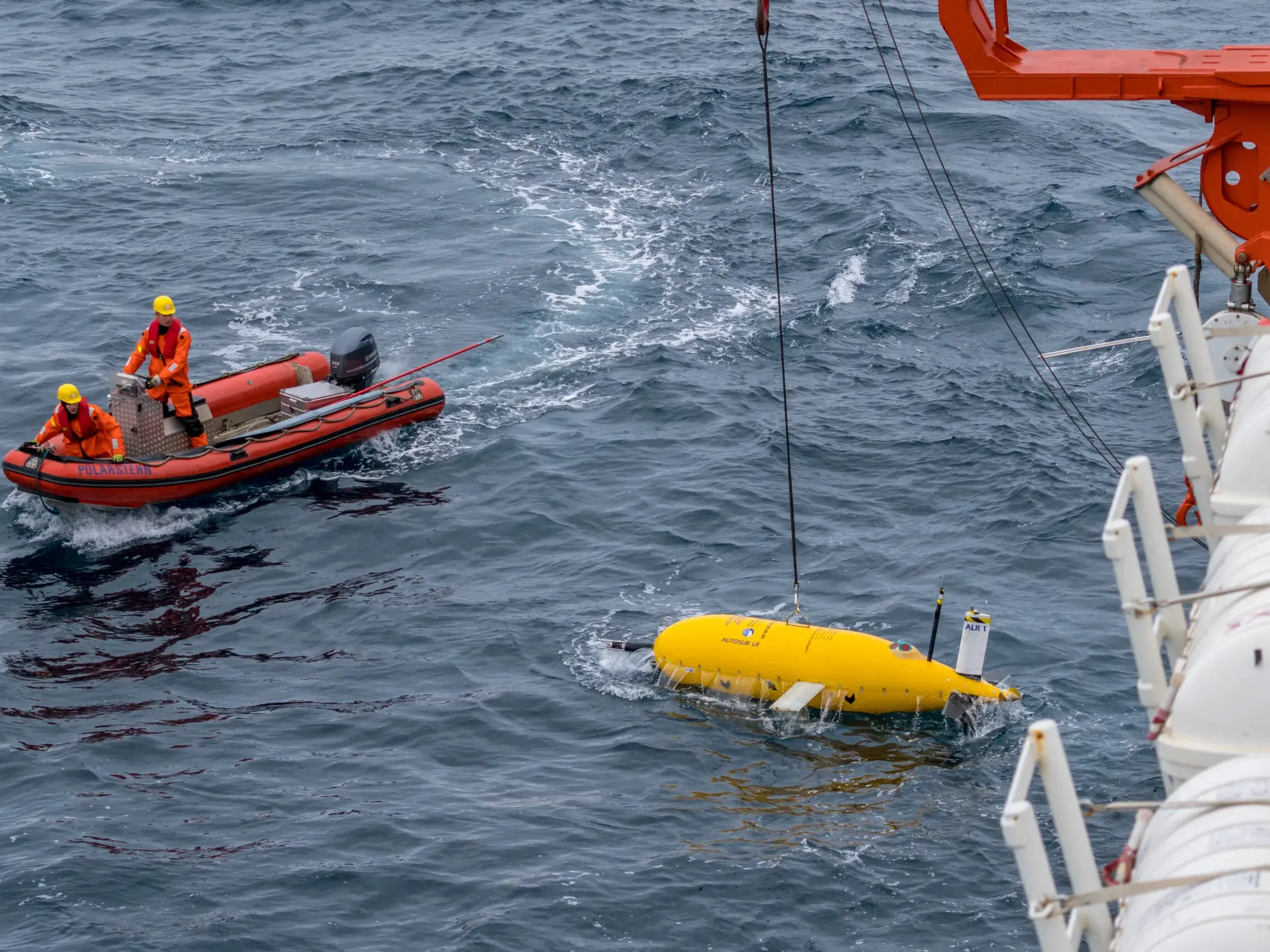
Autonomous Underwater Vehicle
Why Choose the DVL-600-FA4
Three reasons engineers choose the FA4 over other 600kHz DVL options.
Stronger Returns on Soft Seabeds
20° beam angle — tighter than phased-array DVLs — concentrates acoustic energy for stronger bottom-echo returns. On silty, muddy, or heavily sedimented work sites, this means more stable bottom-lock and fewer dropouts.
Piston Transducer — Field-Proven and Serviceable
The FA4 ceramic piston transducer has thousands of deployments behind it. Consistent beam patterns, no electronic steering components to calibrate, and straightforward servicing if the transducer ever needs replacement after years of heavy use.
Best Value in the 600kHz DVL Lineup
The FA4 is the most cost-effective 600kHz DVL we offer. If your vehicle has the space for a standard Φ148mm housing and you don’t need the ultra-compact PA5 form factor, the FA4 delivers identical navigation performance at a lower price.
Frequently Asked Questions
Quick answers about the DVL-600-PA5
How do I choose between the DVL-600-FA4 and the DVL-600-PA5?
Both are 600kHz DVLs with the same 110m bottom-track range and ±0.3% ± 3mm/s accuracy. Choose the FA4 if your vehicle has space for a standard Φ148mm housing and you want the strongest bottom-echo returns (20° beam angle) at the best price. Choose the PA5 if you need the ultra-compact Φ92mm form factor — for small AUVs, gliders, and inspection-class ROVs where every millimeter and gram count. Navigation performance is equivalent; the trade-off is size, weight, and cost.
Why does the FA4 use a 20° beam angle while the PA5 uses 30°?
Which depth rating should I select?
What INS / navigation systems does the FA4 integrate with?
Does the FA4 require a Self-Contained configuration?
Get a Quick quote
Tell us about your project and we’ll provide a customized quotation within 24 hours — including recommended configuration, lead time, and shipping.
Other DVLs
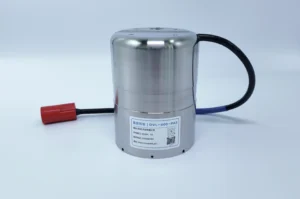
DVL-600-PA5
600kHz phased-array DVL — the most compact in its class. Φ92mm, ≤1.8 kg, ≤5W. 110m bottom-track at ±0.3% ± 3mm/s. For small AUVs, gliders, and inspection-class ROVs. Direct-Reading.
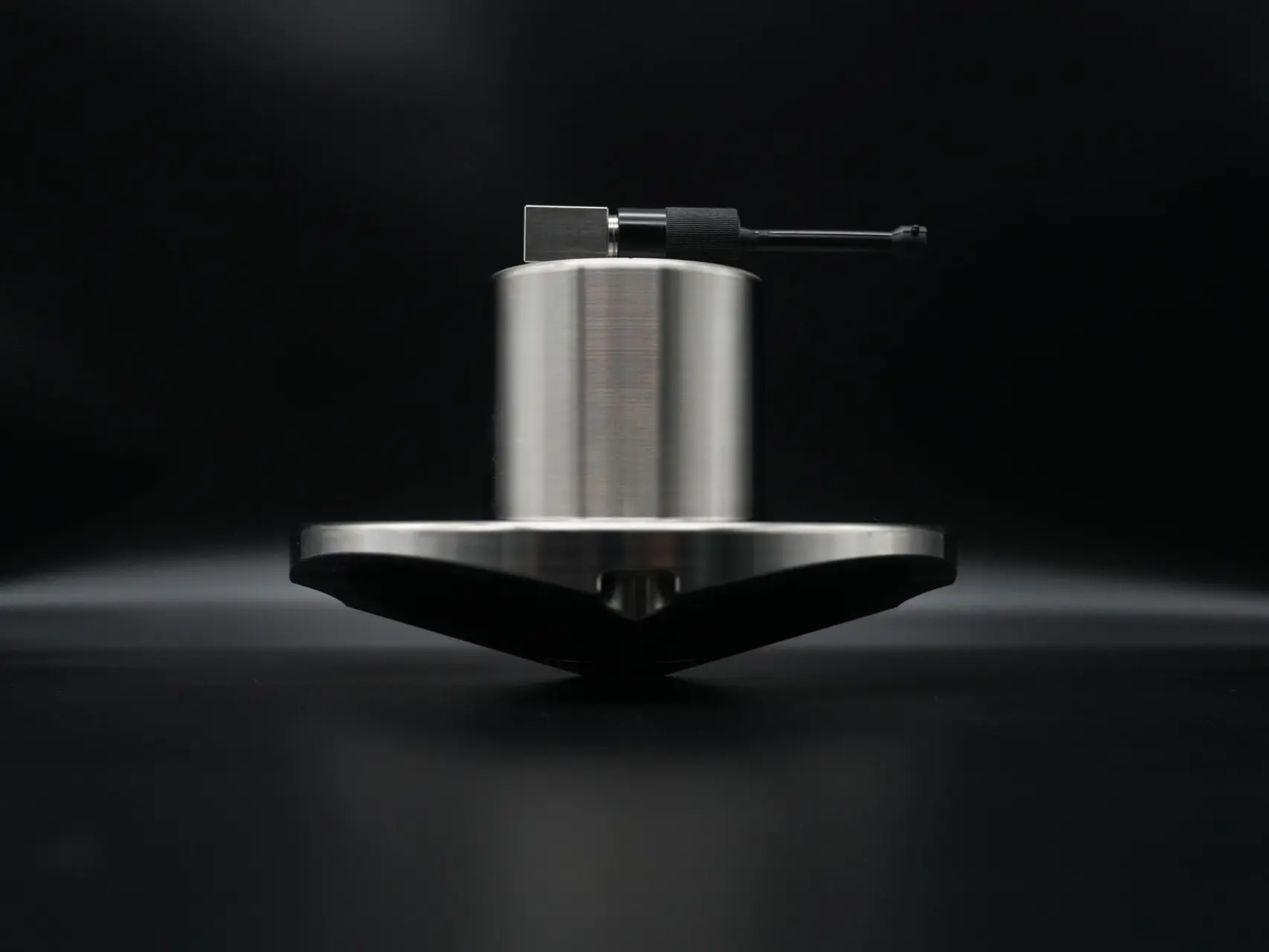
DVL-300-FA4
300kHz deep-water DVL — 220m bottom-track, double the range of 600kHz models. For AUVs and ROVs operating beyond the continental shelf. Titanium housing to 6,000m. Direct-Reading.