
600kHz ADCP Current Profiler
Ocean-ADCP-600-PA5
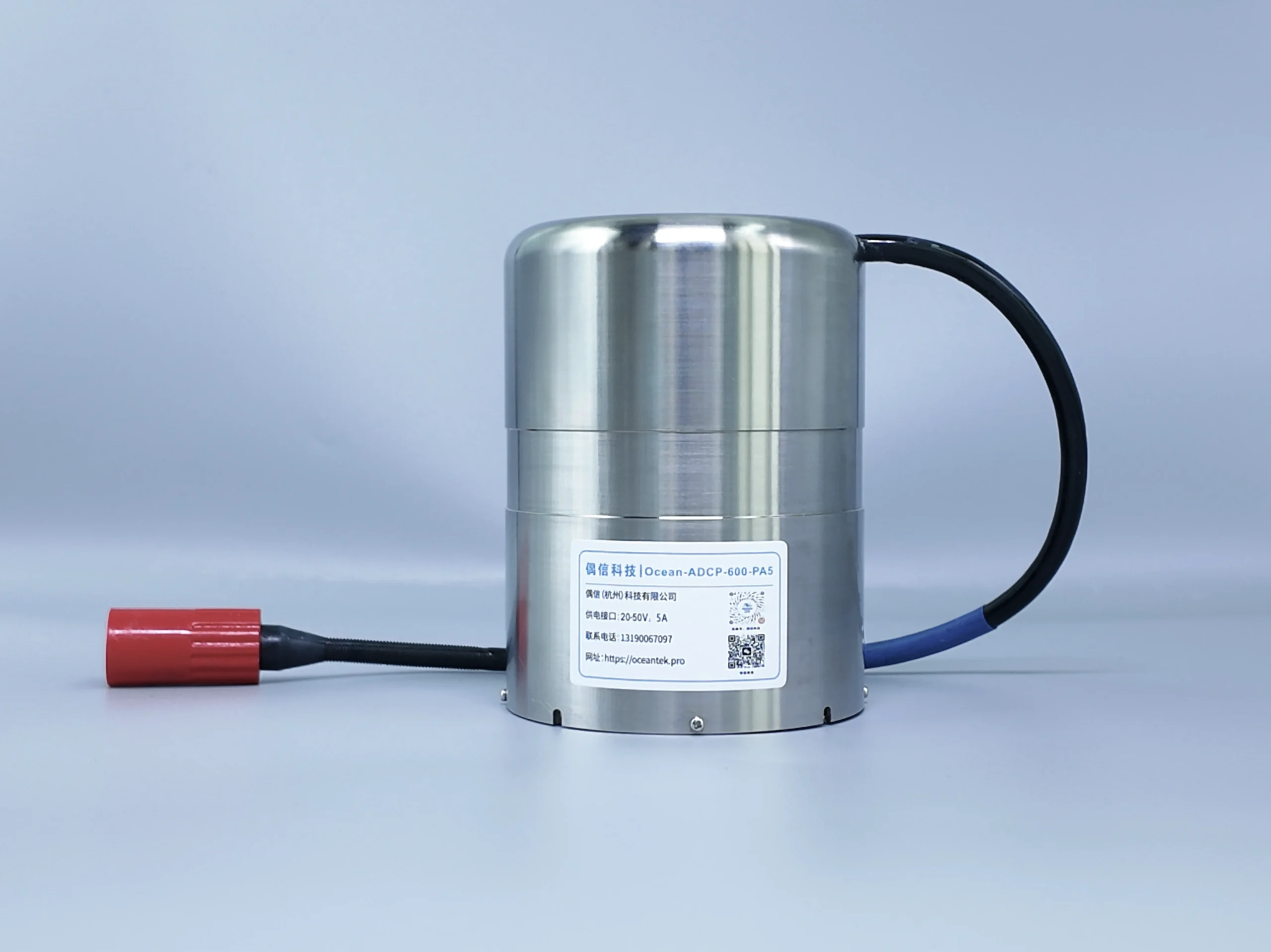
The Ocean-600-ADCP-PA5 delivers the same 600kHz profiling performance as the FA4 piston model — in a significantly smaller, lighter, and more power-efficient phased-array package. With a Φ92mm diameter and ≤5W power consumption, it is designed for deployment scenarios where space is tight and every watt counts: buoys, autonomous vehicles, and compact fixed platforms.
Overview
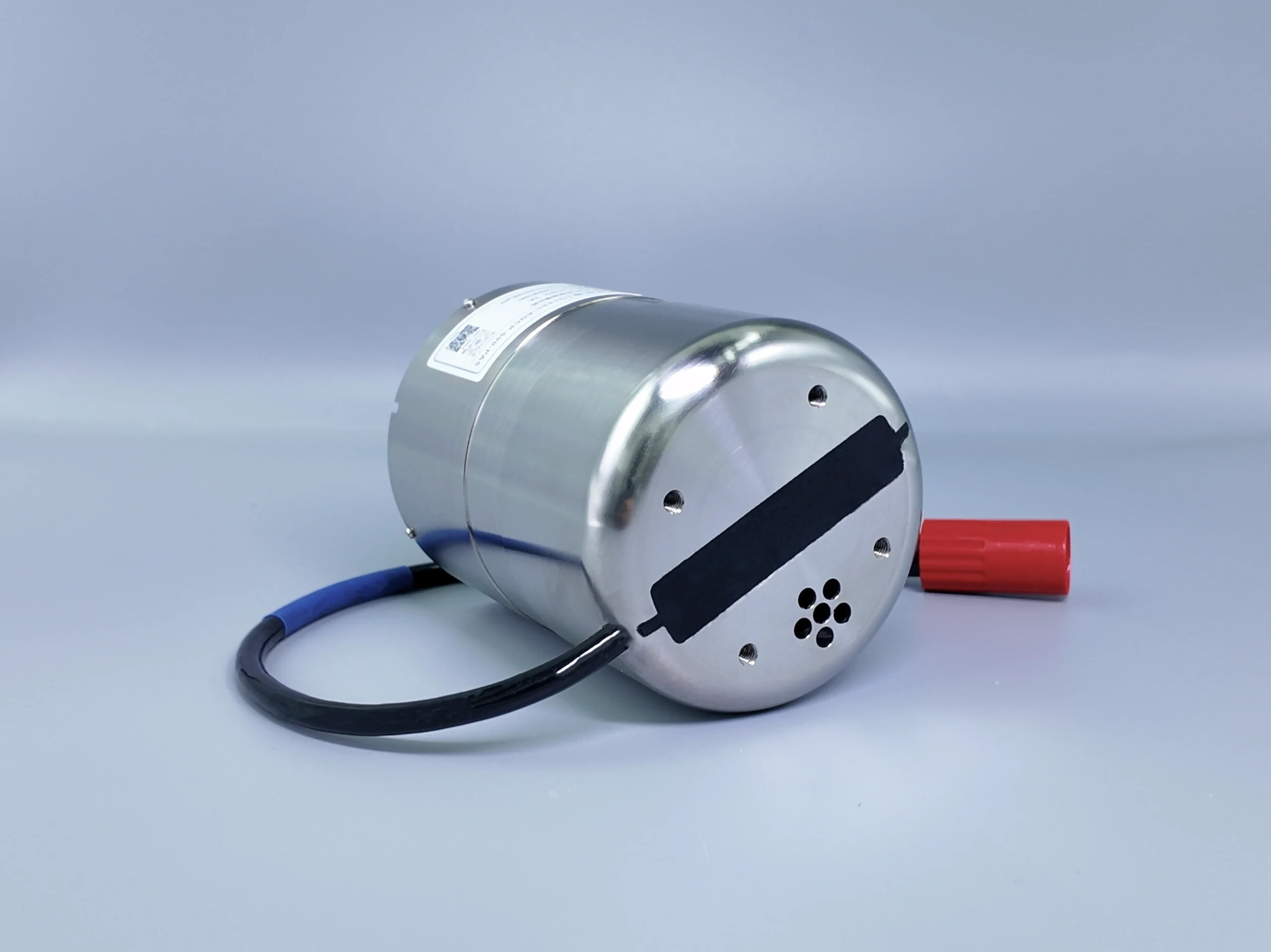
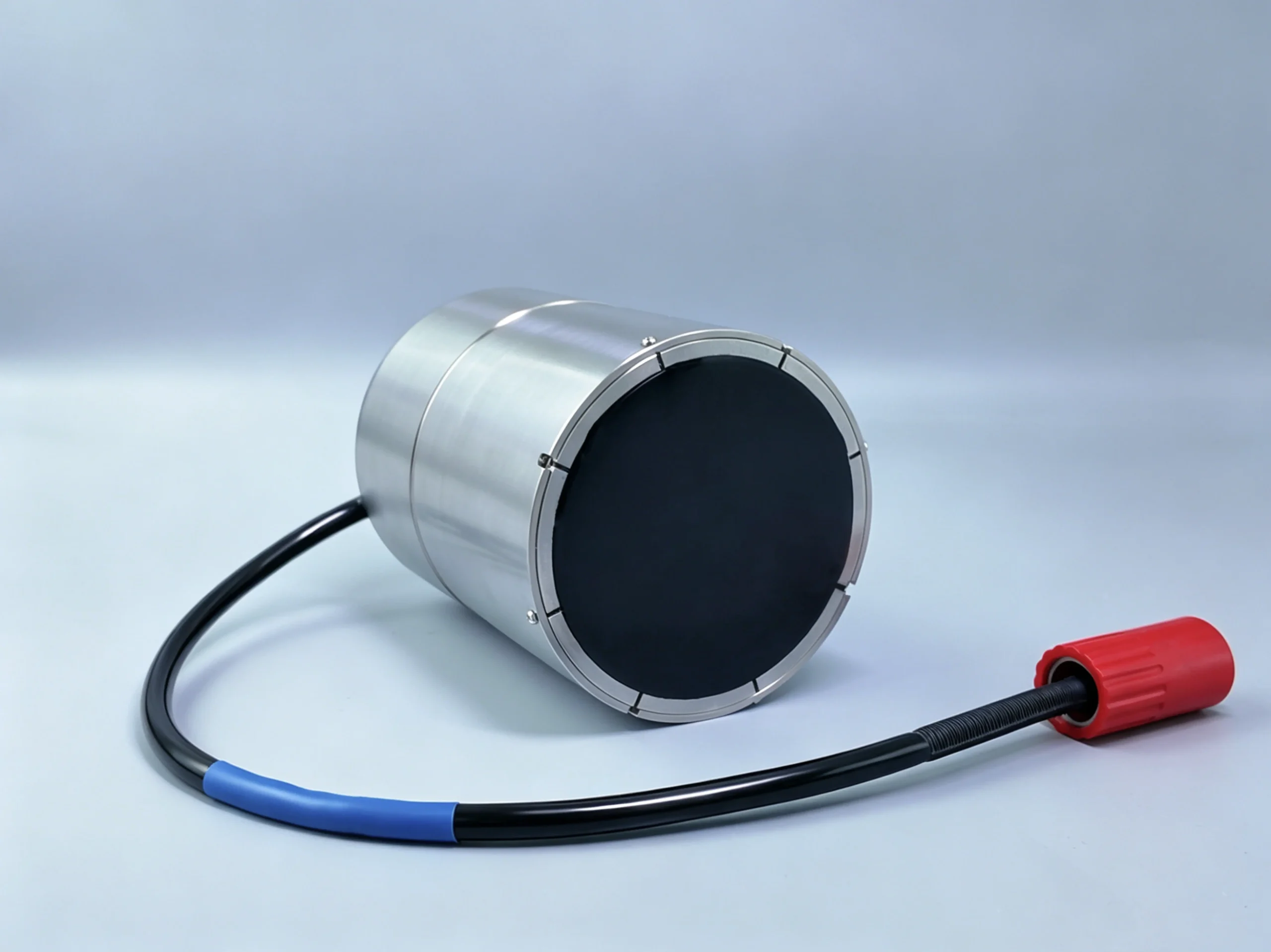
Built around a 5-beam Janus-configuration phased-array transducer with electronic beam steering, the PA5 achieves precise velocity measurement with a flat transducer face — no protruding ceramic elements. The titanium alloy housing is pressure-rated to 6,000m. Available in Direct-Reading (cabled real-time).
Key Features
High Accuracy — ±0.3% ±3 mm/s
Matches the Teledyne RDI Workhorse 600kHz industry benchmark. 1 mm/s velocity resolution, ±2° direction accuracy, ±0.8° RMS compass.
70m Profiling Range at 600kHz
The same high-resolution 600kHz profiling reach as the FA4 piston model.No range trade-off for the compact form factor.
Bottom Tracking & Navigation
Bottom tracking range from 0.8 m to 120 m enables stable position and velocity reference in shallow-to-medium depth waters, ideal for nearshore and river applications.
Phased-Array Beam Steering
Electronic beam forming on a flat transducer face — no protruding ceramic
elements, no moving parts. Beam alignment remains stable over long deployments.
Ultra-Compact Form Factor
Φ92mm micro-casing — the most compact 600kHz ocean ADCP in its class.Fits into buoy wells, AUV payload bays, and tight platform mounting points where a standard-diameter ADCP won’t go.
Ultra-Low Power Consumption
≤5W in standard operation — approximately half the power draw of a comparable piston-type ADCP. Enables longer autonomous deployments on battery.
Specifications
| Category | Specifications | Parameters |
|---|---|---|
| Current speed & direction | Operating mode | Direct-reading |
| Profiling range | 55 m / 70 m (wideband / narrowband) | |
| Velocity accuracy | ±0.3% ± 3 mm/s | |
| Velocity resolution | 1 mm/s | |
| Velocity range | ±5.0 m/s (default); ±20.0 m/s (maximum) | |
| Direction range | 0-360° | |
| Direction accuracy | ±2° | |
| Number of cells | 1-255 | |
| Cell size | 0.5-4 m | |
| Data output rate | 2 Hz (without bottom tracking); 1 Hz (with bottom tracking) | |
| Bottom tracking | Depth range | 0.8-120 m (altitude above seabed) |
| Measurement accuracy | ±0.3% ± 3 mm/s | |
| Resolution | 1 mm/s | |
| Transducer & hardware | Frequency | 600 kHz |
| Configuration | Phased array (planar) | |
| Beam angle | 30° | |
| Beam width | 3.5° | |
| Internal memory | 64 GB Micro SD Card | |
| Depth measurement | Altitude resolution | 1 mm |
| Altitude accuracy | ±1% ± 0.5 cm | |
| Comm. | Interface | RS-232 or RS-422 |
| Standard sensors | Temperature sensor | Range: -5°C to 45°C; accuracy: ±0.1°C |
| Pressure sensor | Range: based on rated depth; accuracy: ±0.25% | |
| Attitude sensor (roll & pitch) | Range: ±85°; accuracy (RMS): ±0.2°; resolution: 0.1° | |
| Compass sensor | Range: 0-360°; accuracy (RMS): ±0.8°; resolution: 0.1° | |
| Power | Power input | 20-50 V |
| Average power | ≤5 W | |
| Structure | Housing material | Titanium alloy |
| Environment | Operating temperature | -5°C to 45°C |
| Storage temperature | -40°C to 70°C | |
| Physical properties | Depth rating | 1000 m / 3000 m / 6000 m |
| Weight (in air) | ≤1.8 kg | |
| Dimensions | Φ92 × 112 mm | |
| Available options | Options | External battery, bottom tracking (function), AC/DC power adapter |
Applications
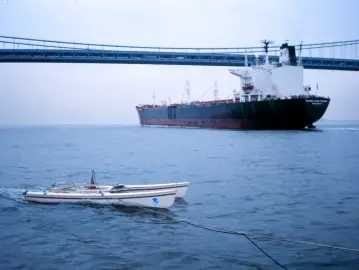
Ocean current observations
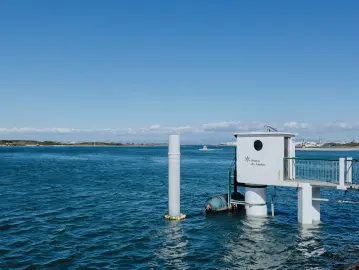
Coastal Hydrological Survey

Marine Engineering Survey
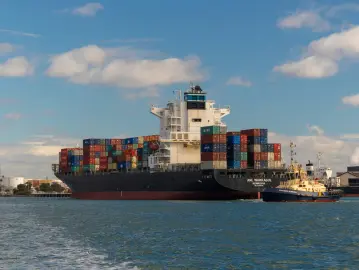
Port and Channel Monitoring
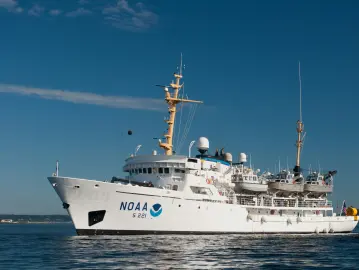
Marine Science Research
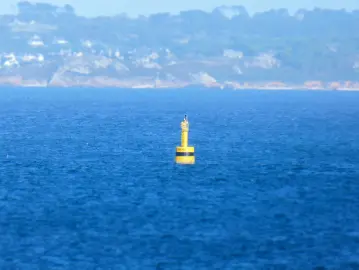
Ocean Observation Platform
Why Choose This Model
Φ92mm micro-casing
the most compact 600kHz ocean ADCP available. Fits into buoy wells, AUV payload bays, and tight mounting points where a standard-diameter instrument won’t go.
≤5W power consumption
roughly half the draw of a piston-type 600kHz ADCP. Means smaller solar panels for fixed installations, longer endurance on battery packs, and less thermal load in enclosed payload bays.
Phased-array precision
flat transducer face with electronic beam steering. No protruding ceramic elements to damage during handling, and beam angles that stay calibrated over multi-month deployments without mechanical drift.
Learn More About 600kHz ADCPs
In-depth guides, comparisons, and real-world data to help you make an informed decision.
Physics-based comparison: range, resolution, power trade-offs
Every parameter decoded: what each spec means for your project
Complete guide to phased array ADCP technology
Nortek vs SonTek vs TRDI vs Oceantek – side-by-side analysis
Practical buyer’s analysis: performance, price, and service comparison
7 hidden cost drivers beyond the purchase price
Frequently Asked Questions
Quick answers about the Ocean-ADCP-600-PA5
How is the Ocean-600-ADCP-PA5 different from the Ocean-600-ADCP-FA4?
Both are 600kHz instruments with the same 70m profiling range. The difference is the transducer and packaging. The PA5 uses a phased-array — it’s smaller (Φ92mm), lighter, and draws less power (≤5W). The FA4 uses a piston transducer — it’s larger but more cost-effective. Choose the PA5 for space- or power-constrained platforms. Choose the FA4 for general-purpose use where budget is the priority.
If the range and frequency are the same, why would I pay more for the PA5?
Three reasons: (1) If your mounting location can’t fit a standard-diameter ADCP — common on compact buoys and small AUVs. (2) If your power budget is limited — the ≤5W draw means smaller solar panels or longer battery endurance. (3) If weight matters — the PA5 is noticeably lighter, reducing load on buoy masts and vehicle frames. If none of these apply, the FA4 gives you the same profiling data at a lower cost.
Can this be used in a river or canal?
The PA5 is designed for marine environments. For river discharge measurement, the River-ADCP-M9 is purpose-built for shallow-water hydrology and ISO 748-compliant surveys. For fixed-station river monitoring, the HADCP-600 is the correct instrument. Using a 600kHz ocean ADCP in very shallow fresh water is possible but not optimal.
What does "phased-array" mean in practical terms?
Unlike a piston transducer that physically vibrates to generate a beam, a phased-array uses multiple small ceramic elements on a flat face. By controlling the phase delay between elements electronically, the beam is steered without any moving parts. The result: a flat transducer face (no protruding elements), more compact housing, and beam angles that stay stable over time — particularly valuable for long-duration deployments.
Get a Quick quote
Tell us about your project and we’ll provide a customized quotation within 24 hours — including recommended configuration, lead time, and shipping.
Other Ocean ADCPs
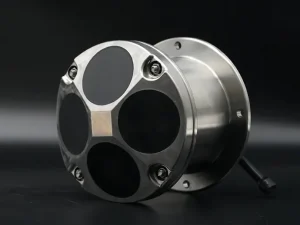
Ocean-ADCP-600-FA4
600kHz piston ADCP for shallow-water coastal profiling. 70m range, 0.25m blind zone — the highest-resolution instrument in the Ocean ADCP lineup. DR & SC configurations.
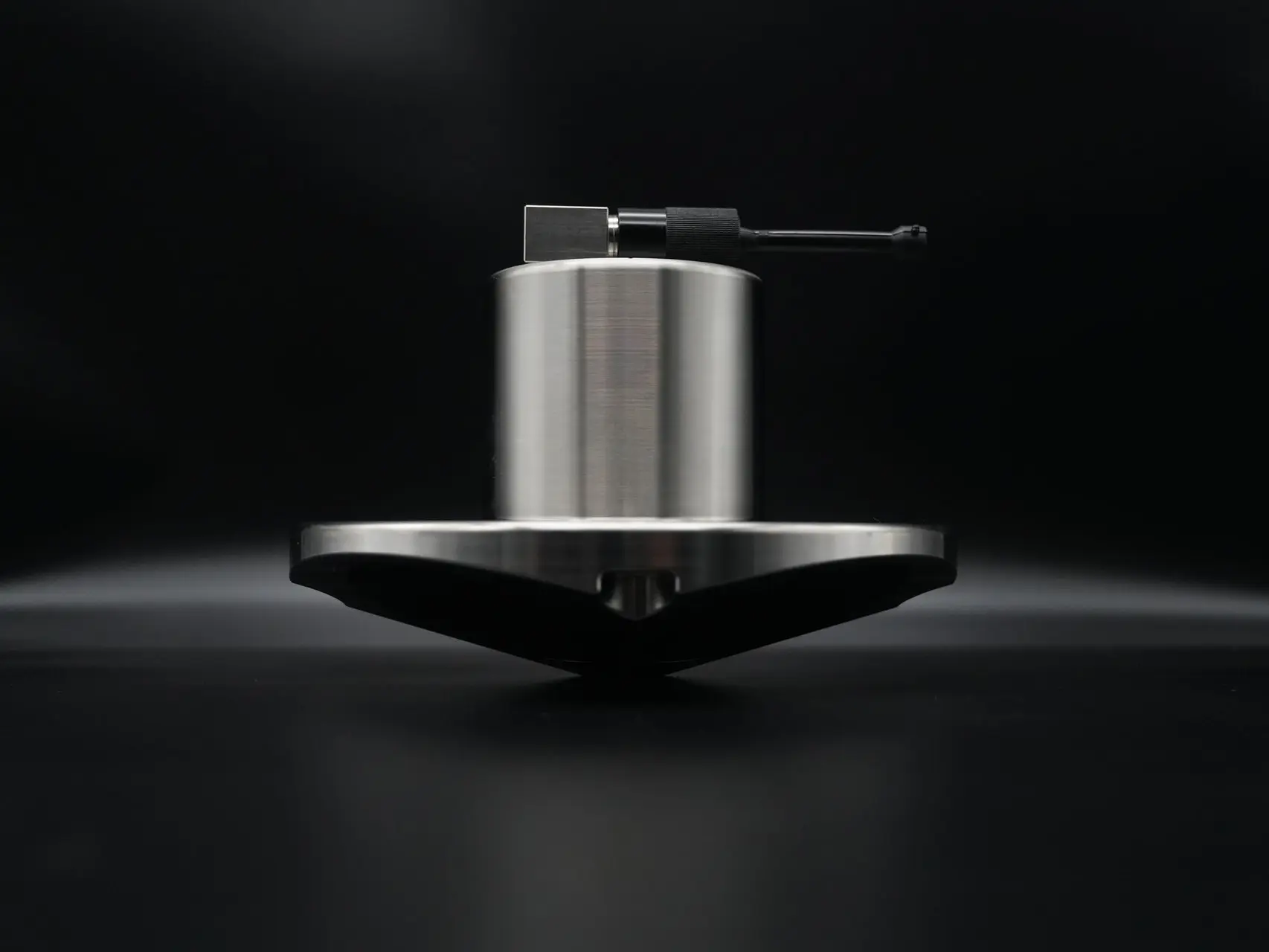
Ocean-ADCP-300-FA4
300kHz piston ADCP — the most versatile in the lineup. 220m range covers the full continental shelf. The default choice for offshore wind metocean campaigns and research vessel surveys. DR & SC.
Ocean-ADCP-75-PA4
75kHz phased-array ADCP for deep-ocean profiling. 600m range, 6,000m-rated titanium housing. Built for abyssal mooring arrays and basin-scale circulation studies. DR & SC.